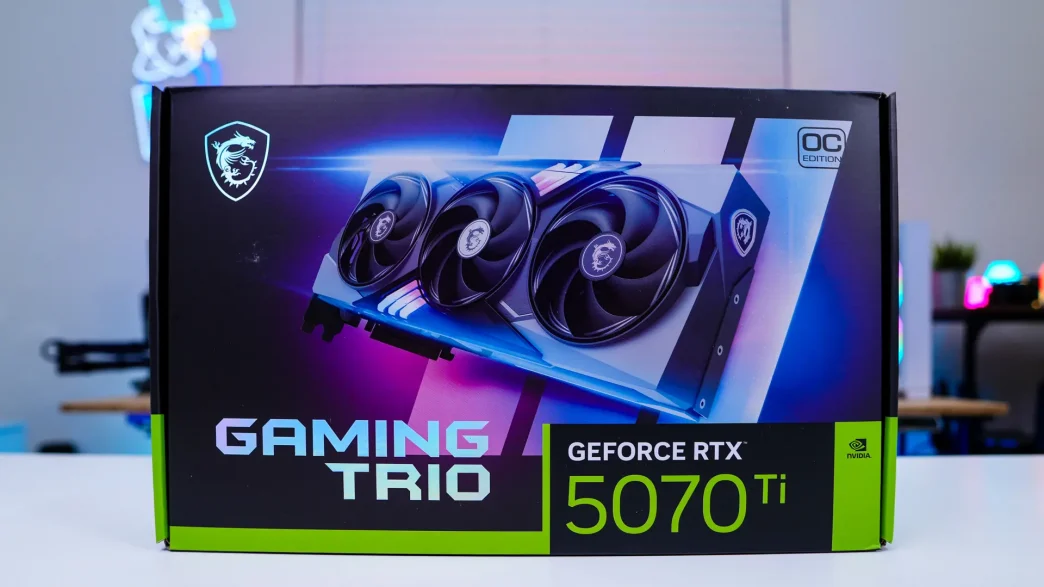
Reports suggest NVIDIA has ceased production of its GeForce RTX 5070 Ti graphics card, a move attributed to widespread memory supply constraints impacting the GPU market. This development has led to increased prices and limited availability, raising concerns among PC gamers about future high-end GPU options. The situation is further complicated by conflicting statements from manufacturers regarding product discontinuation.
Key Takeaways
- NVIDIA has reportedly stopped production of the GeForce RTX 5070 Ti.
- Memory supply shortages are cited as the primary reason for the production halt.
- The GeForce RTX 5060 Ti 16GB model may also face production cuts.
- Conflicting statements from partners like ASUS have added to market confusion.
- The ongoing memory crisis is impacting the availability and pricing of high-end GPUs.
Production Halt and Memory Crisis
Initial reports, citing sources within NVIDIA’s partners like ASUS, indicated that the production of the GeForce RTX 5070 Ti has ended, with the card entering an “end-of-life” status. This decision is largely driven by a severe shortage of GDDR7 memory, exacerbated by high demand from AI data centers. The increased cost and limited availability of memory components have made it difficult for NVIDIA to maintain production of cards with larger VRAM capacities.
Conflicting Statements and Market Confusion
Following the initial reports, ASUS issued a statement clarifying that the RTX 5070 Ti and RTX 5060 Ti 16GB have not been discontinued. The company explained that recent supply fluctuations were due to memory constraints affecting production and restocking cycles, and that any information suggesting otherwise was incomplete. NVIDIA also stated that it continues to ship all GeForce SKUs and is working with suppliers to maximize memory availability.
However, the initial claims originated from a request for review units, where an ASUS PR representative allegedly confirmed the end-of-life status. This has led to confusion among consumers and retailers, especially as availability of the RTX 5070 Ti has dwindled and prices have surged significantly above its MSRP.
Impact on the GPU Market
The alleged halt in RTX 5070 Ti production creates a performance and price gap between the RTX 5070 and the more expensive RTX 5080. The RTX 5060 Ti 16GB model is also reportedly facing similar production challenges, with resources potentially being redirected to the 8GB version. This situation highlights the broader impact of the global DRAM shortage on the graphics card market, potentially forcing gamers to consider lower VRAM options or alternative manufacturers.
Future Outlook
With the ongoing memory crisis expected to persist, the availability and pricing of GPUs, particularly those with higher VRAM, are likely to remain volatile. NVIDIA’s strategy appears to be prioritizing the production of cards with lower memory capacities. The situation presents an opportunity for competitors like AMD and Intel to capture market share, provided they can manage their own supply chains effectively.
Via TweakTown