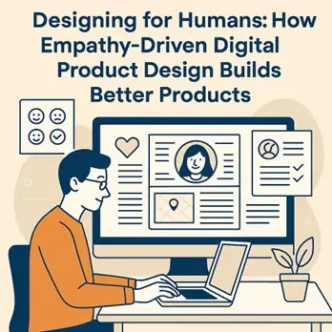

In the rapidly evolving world of digital product design, it’s easy to get caught up in the latest trends, technologies, and features. However, the key to designing products that truly resonate with users lies not in fancy interfaces or cutting-edge features but empathy. Understanding users’ needs, challenges, and desires is the cornerstone of creating products that meet expectations and exceed them. This human-centered approach, often called empathy-driven design, is changing how we think about digital products.
A digital product design company like Excited Agency understands the power of empathy in design. By focusing on the human experience, design agencies are creating intuitive, engaging, and valuable products for users. Let’s explore how empathy-driven design transforms the digital product landscape and why it’s the key to building better products.
What does “empathy-driven design” mean?
Understanding the user’s feelings, thoughts, and wants is essential during design. This is called empathy-driven design. Instead of only focusing on business goals or technological progress, this method is based on making products that solve real problems for people. You must put yourself in the users’ shoes to understand their pain points, wants, and goals.
Design based on empathy is all about getting to know people better. It helps makers think about the product from the user’s point of view, which lets them make experiences that are unique, natural, and powerful. This method not only leads to a better design, but also to a product that people enjoy using.
First, you need to know what the person wants before designing. When making digital goods, the best know much about the people they’re meant for. This means that designers have to study, talk to people, and test to find out what problems users have. Designers can find out what users want and need by doing a study based on empathy, even if the users don’t know it themselves.
Research on Users
The most crucial part of empathy-driven design is user study. It means talking to users through interviews, polls, and user testing to learn valuable things about how they act, what they like, and what bothers them. It is essential to fully understand the user’s journey and how the product fits into their lives. This study looks deeper than just demographic information; it also looks at the emotions and mental factors users use to make choices.
Users’ stories and personas
Designers can make user personas and stories once they have enough study. Based on real study, personas are made-up versions of different types of users. They help creators pay attention to certain user groups’ wants, needs, and problems. On the other hand, user stories show how people will use a product, including the goals they want to reach and the problems they will face along the way.
Designers can use user characters and stories to ensure that every choice they make is based on a fundamental human need.
Designing Connections That Touch People Emotionally
Empathy-driven design isn’t just about finding solutions to problems but also about connecting goods and users. Users have a better experience with a product when they feel like it is understood. This emotional link often differentiates between a product that works and one that people love.
Balance Between Looks and Usability
Finding the right mix between how something looks and how easy it is to use is a key part of empathy-driven design. A person may be interested in a product because it looks nice, but how easy it is to use and what it can do will keep them using it. Empathy-driven designers try to make the user experience smooth, with every design choice having a clear purpose and making the experience better as a whole.
Small exchanges and specifics
Small design elements like animations, hover effects, and delicate interactions are essential for connecting with users on an emotional level. People often forget about these little exchanges, but they make the difference between a boring and exciting experience. These interactions can make people feel seen, heard, and respected if made with empathy.
Getting rid of friction and making things easier to access
When a product’s menu is hard to understand or takes a long time to load, users quickly choose not to use it. Empathy-driven design makes things easier for people by predicting and fixing problems that might come up along the way. This makes things run more smoothly and the experience more enjoyable, keeping people coming back.
Making complicated processes easier
There are a lot of users who have trouble with complicated or new processes. Problems like filling out a long form or figuring out how to use a problematic interface can be annoying. Empathetic designers try to make these jobs as easy as possible by making the experience natural. By cutting out steps that aren’t needed and giving clear instructions, designers can make an experience that is easier for people to use and encourage them to finish jobs quickly.
Thoughts on Accessibility
Accessibility is also essential in empathy-driven design. Designers need to consider the different wants of users, even those who are disabled. This means making goods that people who are blind, deaf, or have motor disabilities can easily use. Accessibility features, such as keyboard navigation, screen readers, and high-contrast color schemes, are not just nice to have; they are necessary to ensure everyone can easily reach and use the product.
Testing and Feedback Over and Over Again
Design that is based on empathy is a continuing process. It doesn’t end when the product is first released. Testing and comments from users all the time are essential for making the product better over time. Understanding how users’ wants and needs change over time lets designers make changes and improvements that keep the product valuable and current.
Testing with users and feedback loops
Watching real people use a product during user testing gives you helpful information about how well it works and where the design is lacking. After getting this feedback, the product is improved to make it easier to understand and use. Testing, getting feedback, and making changes helps make goods that change with the users, ensuring they always meet their needs.
A/B Testing to Find the Best Solution
A/B testing is another helpful method in designing with humanity in mind. When designers show users different design forms, they can find the one that works best for the intended audience. This method is based on data, which helps designers make wise choices about design changes that improve the whole user experience.
The Job of a Company That Designs Digital Products
A digital product design business like Excited Agency is committed to making designs that put people first. These companies ensure that every product is made with the user in mind by putting understanding at the center of the design process. The goal is always to make a product that meets real human needs, from the first study and personas to ongoing iteration and feedback.
Digital product design agencies do more than make interfaces look good; they also make experiences that make users feel understood and respected. Empathy-driven design is the best way to stay ahead of the curve in a world where user standards are constantly rising.
Empathy-driven design isn’t just a trendy term; it’s a way of thinking that changes how digital goods are made. Designers can make products that meet and exceed user expectations by knowing their needs, making emotional connections, reducing friction, and iterating all the time based on feedback. Human-centered design is essential to companies like Excited Agency, and their designs are helping to shape the future of digital goods one nice design at a time.