Quick Answer
Hydrovac excavation is the safest method when precision is critical near buried infrastructure. By combining pressurized water and vacuum extraction, this non-destructive digging technique cleanly exposes underground utility lines without risk of damage. It’s especially valuable for daylighting utilities, trenching in tight spaces, or working in urban zones where traditional excavation poses hazards. Vacuum excavation services offer speed, accuracy, and compliance with safety regulations – making them the smart choice for projects that demand both efficiency and care.
Introduction
Beneath every paved street, landscaped yard, or construction site lies a hidden network of pipes, cables, and conduits – each essential to daily life and often vulnerable to accidental strikes. Traditional digging methods, while effective in open areas, carry significant risk when working near these assets. One misstep can trigger outages, injuries, or costly project delays.
That’s why professionals increasingly turn to hydrovac excavating in Calgary for tasks requiring surgical precision. This approach minimizes ground disturbance while maximizing safety, particularly during underground utility locating or when verifying as-built drawings. In scenarios where guesswork isn’t an option, it delivers clarity without compromise – keeping crews, communities, and infrastructure protected.
When Hydrovac Excavation in Calgary Is the Right Move
Not every job calls for high-tech solutions – but when accuracy, safety, or regulatory compliance are on the line, vacuum excavation services become more than a convenience; they’re a necessity. Hydrovac excavation shines in scenarios where traditional digging is too risky or imprecise. Below are the core situations where this method proves its worth, along with practical insights into how it works on the ground.
What Is Underground Utility Locating?
It is the process of identifying and mapping subsurface infrastructure – such as gas lines, water mains, electrical conduits, and telecom cables – before any ground disturbance occurs. While electronic locators and ground-penetrating radar provide initial data, they can’t always confirm exact depth or condition. That’s where physical verification comes in.
Hydrovac offers a controlled way to “pothole” or expose these assets without damaging them. A small, targeted hole reveals the utility’s precise location, enabling engineers to validate plans or adjust designs before full-scale work begins. This step is often required by municipalities and utility owners as a condition of permit approval.
The Role of Daylighting Utilities
Daylighting utilities refers to the careful exposure of buried infrastructure so it becomes visible – or “brought into daylight” – for inspection, repair, or connection. This technique is essential during maintenance, upgrades, or new installations near existing lines.
Because hydrovac uses water to loosen soil and a powerful vacuum to remove it, the process leaves surrounding materials undisturbed. There’s no vibration, no blunt impact, and no guesswork – just clean, precise exposure. This is particularly valuable in congested utility corridors or environmentally sensitive areas where collateral damage must be avoided.
How Non-Destructive Digging Prevents Costly Mistakes
A single accidental strike on a high-voltage cable or pressurized pipeline can cost tens of thousands in repairs, fines, and downtime. Non-destructive digging dramatically reduces that risk by eliminating metal-to-utility contact.
Beyond safety, it also minimizes restoration needs. Traditional excavation often requires wide trenches and extensive backfilling. Hydrovac, by contrast, creates narrow, focused openings that heal quickly – reducing landscape disruption and project timelines. For developers working under tight deadlines or in public spaces, this efficiency translates directly into cost savings.
Comparing Vacuum Excavation Services vs. Mechanical Methods
| Factor | Hydrovac | Mechanical |
| Precision | High – targeted to centimetre level | Low – broad removal |
| Risk to Utilities | Very low | High |
| Restoration Time | Minimal | Extensive |
| Urban Suitability | Excellent | Limited |
| Environmental Impact | Low (no fuel-heavy machinery) | Moderate to high |
| Regulatory Compliance | Often required near utilities | May not meet safety standards |
In short, when the stakes are high and margins for error are slim, hydrovac isn’t just an alternative – it’s the responsible default.
Practical Tips for Planning a Safe Dig
Even with the right excavation method, success starts long before the nozzle touches the soil. Thoughtful planning and proactive coordination can prevent delays, reduce risk, and keep a project on budget. Here are key steps to take before any ground is broken:
- Call Before You Dig
In most jurisdictions, contacting the local one-call utility notification centre is mandatory. This service alerts utility owners to your planned dig, prompting them to mark their underground lines. Skipping this step not only violates regulations but also increases liability. - Verify Locates On-Site
Markings from utility companies are a starting point – not a final answer. Always cross-check with as-built drawings and consider using a secondary locating method, such as electromagnetic detection, to confirm depth and alignment. When in doubt, daylight a test section using hydrovac to validate assumptions. - Assess Site Access and Conditions
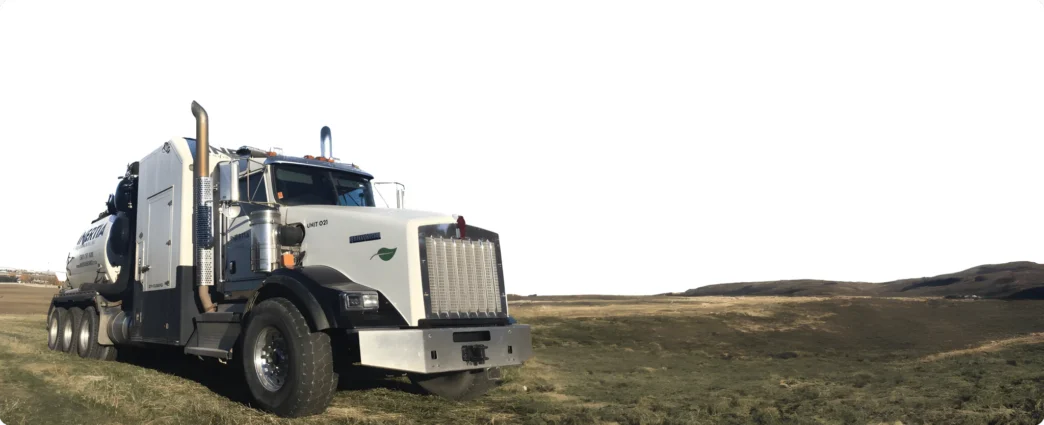
Hydrovac trucks require space to operate safely. Evaluate overhead clearance, ground stability, and proximity to traffic or pedestrians. In tight urban spaces, smaller units or remote excavation setups may be necessary. - Plan for Spoil Management
The slurry created during hydrovac operations – soil mixed with water – must be contained and disposed of properly. Confirm whether your site allows on-site settling or if you’ll need a tank for off-site transport. Many providers offer integrated waste handling, which streamlines logistics. - Choose the Right Weather Window
While hydrovac works year-round, extreme cold can complicate water handling and freezing risks. In colder climates, ask about heated water systems or winterized units that maintain efficiency during freeze-thaw cycles.
Taking these steps doesn’t just check boxes – it builds a foundation for a smoother, safer project. As the saying goes, “Failing to plan is planning to fail,” and nowhere is that truer than underground.
Final Thoughts: Digging Smarter, Not Harder
Hydrovac excavation in Calgary stands out as a reliable, precise, and safety-first solution for any project near buried infrastructure. By combining non-destructive digging with accurate underground utility locating, it minimizes risk while maximizing efficiency.
Whether daylighting utilities or preparing for critical installations, this approach ensures work moves forward confidently – without costly surprises or service disruptions. In today’s complex build environments, smart digging isn’t optional; it’s essential.