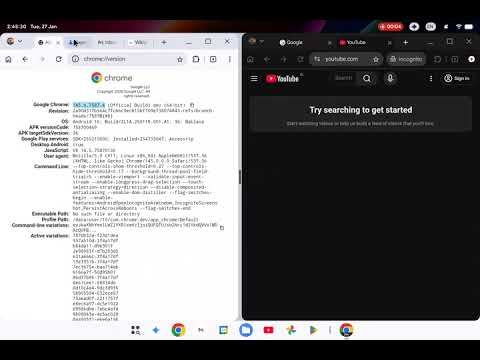
A recent leak has provided the first look at Google’s upcoming desktop operating system, codenamed ‘Aluminium OS’ (ALOS). This new OS appears to be an Android-based platform designed for PCs, merging elements of Android and ChromeOS. The leak originated from a Google bug report that inadvertently included screenshots and video recordings of the OS in action.
Key Takeaways
- Android for PC: Aluminium OS is Google’s initiative to bring a desktop-tailored Android experience to personal computers.
- Hybrid Design: It blends familiar Android features with ChromeOS interface elements, aiming for a unified cross-platform experience.
- Android 16 Foundation: The leaked build indicates the OS is based on Android 16, suggesting a modern Android core.
- Gemini Integration: Google’s AI assistant, Gemini, is prominently featured, highlighting an AI-centric approach.
- Hardware Testing: The OS is being tested on existing Chromebook hardware, such as the HP Elite Dragonfly.
A Unified Desktop Experience
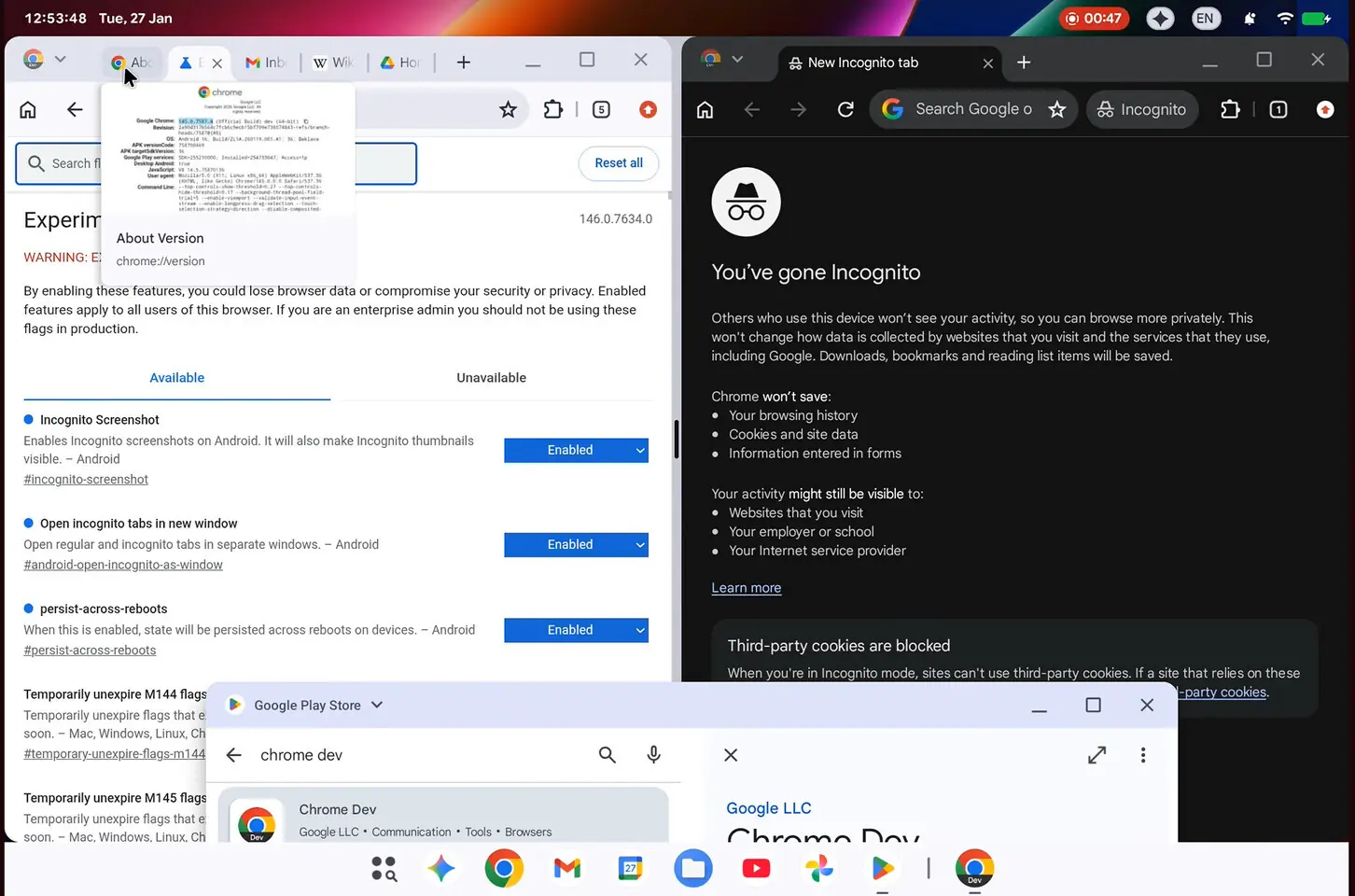
Aluminium OS aims to consolidate Google’s efforts in the desktop space, potentially replacing ChromeOS. The leaked interface reveals a taskbar reminiscent of ChromeOS but with a centered start button, similar to Windows 11. The status bar at the top incorporates familiar Android icons for battery, Wi-Fi, and notifications, alongside a dedicated Gemini icon.

Enhanced Functionality and AI Focus
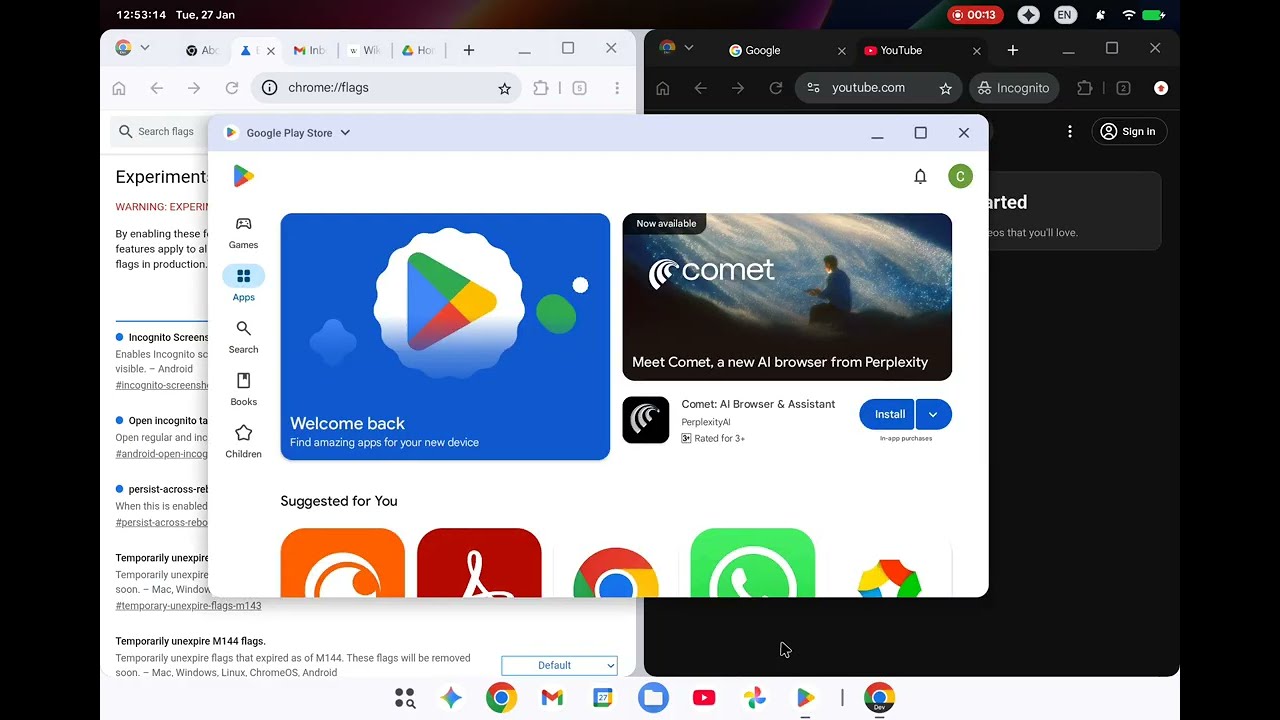
The leaked visuals showcase features like split-screen multitasking and an updated mouse cursor with a tail. Notably, the interface includes an Extensions button, a feature typically found in desktop browsers but not standard Android. The integration of Gemini AI suggests a strong focus on intelligent features and seamless interaction across devices.
Development and Future Implications
Internally referred to as ‘ALOS’, the operating system is built upon Android 16 and runs on x86 architecture, a significant step from mobile ARM-based systems. This development signifies Google’s ambition to offer a robust desktop OS that leverages the vast Android app ecosystem while incorporating advanced AI capabilities. While an official release date remains unknown, the leak offers a compelling preview of Google’s future direction for personal computing.
Via 9to5Google