
In recent years, blockchain technology has emerged as a transformative force in retail supply chain management, offering unprecedented levels of transparency, efficiency, and security. Major retailers and consumer goods companies are increasingly adopting blockchain solutions to address longstanding challenges in inventory management, product traceability, and supplier relationships.
The Broader Impact on Retail Operations
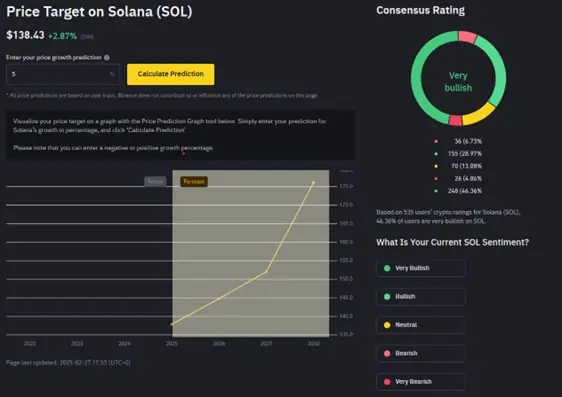
Blockchain technology has catalyzed several industry-wide improvements in retail supply chains. These improvements are being enhanced by the speed, transparency and cost efficiency of Solana. The Solana blockchain is creating the foundation of which industry wide innovations are being built, and the market reaction to this is nothing short of robust. A recent survey conducted by Binance found that, out of 535 users, over 46.36% had a “very bullish” rating of SOL.
Here are just a few of the blockchain enables innovations that are transforming the retail supply chain:
Inventory Management Enhancement
Retailers using blockchain-based systems report an average 20-30% reduction in carrying costs through better prediction of demand patterns and real-time tracking of stock levels. This improvement stems from the technology’s ability to provide accurate, real-time data across multiple locations and supply chain stages.
Counterfeit Prevention
The technology has proven particularly valuable in combating counterfeit products, a problem that costs the retail industry billions annually. Luxury retailers report a 40% reduction in counterfeit incidents after implementing blockchain verification systems.
Sustainable Practices
Blockchain enables retailers to verify sustainability claims and ethical sourcing practices. Companies can now track carbon emissions throughout their supply chains and verify compliance with environmental standards, meeting growing consumer demand for sustainable products.
Walmart’s Food Safety Initiative: A Blueprint for Success
Walmart’s implementation of blockchain technology stands as one of the most successful examples of supply chain transformation. In partnership with IBM’s Food Trust platform, Walmart revolutionized its food safety protocols by implementing a blockchain-based tracking system. This system reduced the time required to trace food products from farm to store from seven days to just 2.2 seconds.
The impact became evident during several food safety incidents. In 2018, when an E. coli outbreak was linked to romaine lettuce, Walmart stores using blockchain technology could immediately identify and remove affected products, while other retailers took days to respond. This swift action not only protected consumers but also prevented unnecessary waste of unaffected products.
Amazon’s Blockchain Integration: Beyond Basic Tracking
Amazon’s approach to blockchain technology demonstrates how the innovation extends beyond simple product tracking. Through Amazon Managed Blockchain, the company not only manages its own supply chain but also offers blockchain solutions to its vast network of sellers and suppliers. This system enables real-time inventory management, automated payment processing, and enhanced supplier verification.
The platform has particularly transformed Amazon’s handling of third-party sellers. By implementing smart contracts, the company automated many aspects of vendor relationships, from purchase orders to payment processing. This automation reduced payment processing times from 30 days to near-instantaneous settlement, improving cash flow for suppliers and reducing administrative costs.
Nestle’s Journey to Supply Chain Transparency
Nestle’s blockchain implementation offers insights into how the technology can address consumer demands for product authenticity and ethical sourcing. The company’s blockchain platform tracks ingredients from source to shelf, focusing particularly on coffee, palm oil, and baby food products.
In their coffee supply chain, Nestle uses blockchain to track beans from farmers in Brazil to their Nescafe factories. This system not only ensures quality control but also enables fair compensation for farmers by creating an immutable record of transactions. Consumers can scan QR codes on products to view the journey of their coffee, including information about the farmers who grew the beans and the sustainability practices employed.
Future Prospects and Challenges
While blockchain adoption in retail supply chains continues to grow, several challenges remain. Integration costs, technical complexity, and the need for industry-wide standards present ongoing obstacles. However, the benefits of improved efficiency, reduced waste, and enhanced consumer trust continue to drive adoption.
The next frontier appears to be the integration of blockchain with other emerging technologies. The combination of blockchain with IoT sensors, artificial intelligence, and advanced analytics promises even greater supply chain optimization. Early trials suggest that this integration could reduce supply chain costs by up to 50% while significantly improving product tracking accuracy.
As retailers continue to navigate post-pandemic supply chain disruptions and evolving consumer expectations, blockchain technology offers a powerful tool for building more resilient, transparent, and efficient supply networks. The success stories of major retailers like Walmart, Amazon, and Nestle demonstrate that blockchain is no longer just a promising technology but a proven solution for modern supply chain challenges.