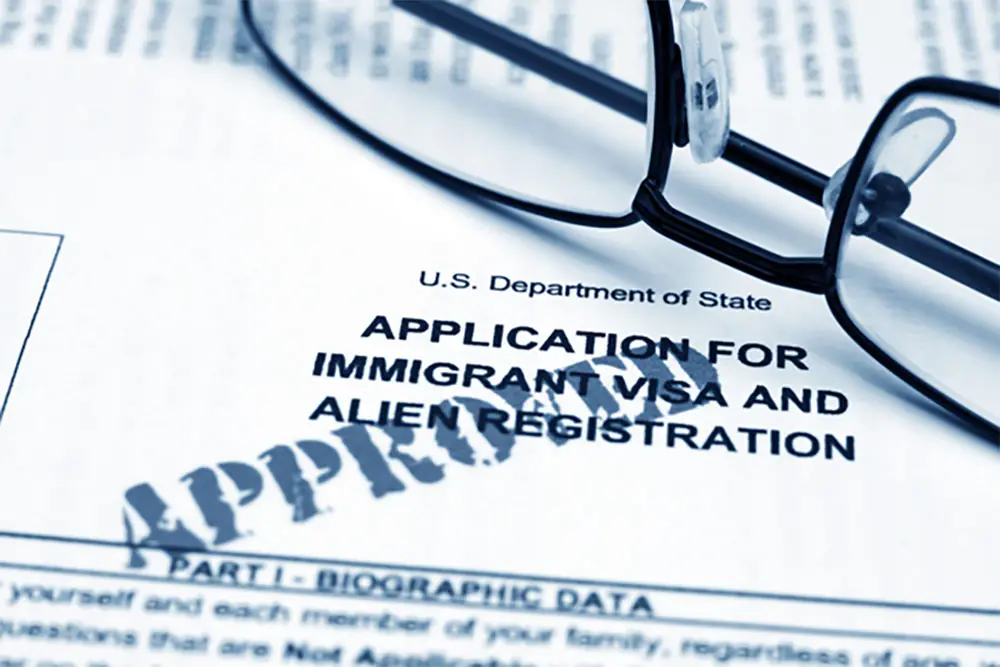
Immigration processes have historically been cumbersome, requiring applicants to navigate a complex network of bureaucracy, legal procedures, and long processing times. However, in recent years, advancements in technology have played a significant role in streamlining these processes, making immigration more efficient, transparent, and accessible.
From digital platforms simplifying legal documentation to AI-enhanced tools improving application accuracy, technology is reshaping how individuals interact with immigration systems and services. These innovations are not only benefiting immigrants but also transforming the industries that support them.
Automation and Digital Platforms Have Revolutionized Immigration Services
In the past, immigrants had to deal with mountains of paperwork, long lines, and sometimes unclear instructions to complete visa applications, citizenship requests, or other forms of legal immigration. Today, however, various digital platforms and automated systems have made many of these processes more efficient. For example, online portals now allow immigrants to submit forms, pay fees, and track their applications in real time. This reduces both the time it takes to complete paperwork and the likelihood of human error. Automation has also enabled certain aspects of immigration processes, such as status updates and document verification, to occur in real-time, eliminating unnecessary delays.
In the case of the Deferred Action for Childhood Arrivals (DACA) program, which allows undocumented individuals brought to the U.S. as children to receive temporary relief from deportation, technology has played a key role. In 2020, there were more than 106,000 active DACA recipients in Texas alone. With technology enabling quicker submission and review of applications, those individuals had more streamlined access to the benefits of the program.
Digital platforms facilitated the rapid processing of DACA renewals and applications, making it easier for these recipients to maintain their status without facing unnecessary setbacks. By enabling quicker turnarounds and ensuring better accessibility, technology has improved the overall efficiency of such programs.
Legal Services Are More Accessible Through Technology
Technology has also had a transformative effect on immigration law, which can often be complex and difficult to navigate. With the advent of various legal-tech platforms, immigrants now have better access to attorneys and legal advice. According to IBISWorld, there are approximately 17,558 immigration lawyers and attorney businesses operating in the U.S. as of 2023. Many of these professionals now use online platforms to provide virtual consultations and assistance, making their services available to a larger population. This shift has made immigration law more accessible, particularly for those living in remote areas where finding an in-person attorney may have been challenging.
These digital tools have also streamlined the process for lawyers and their clients. Immigration lawyers use case management software to track the progress of applications and deadlines, increasing the efficiency of their work. Furthermore, AI-based tools can assist attorneys in conducting legal research, analyzing documents, and even predicting case outcomes, allowing them to provide faster and more accurate legal services.
As technology continues to evolve, the potential for further streamlining immigration law services is vast, benefiting both the legal community and immigrants in need of expert guidance.
Mobility and Relocation Services Are Improving Global Immigration
As immigration processes become more efficient, the mobility of individuals globally has also been aided by technological advancements. According to Shyft, 5.3 million households in America move annually, with an average size of 2.3 family members per household. The global nature of immigration means that people are not just moving within the U.S. but also across borders. Technology is playing an essential role in this process, providing individuals with the tools they need to relocate and settle in a new country more seamlessly. From relocation agencies using digital tools to match immigrants with housing and employment opportunities to apps that help people understand their rights in their new home country, these technologies are lowering the barriers to relocation and easing the transition into new environments.
Furthermore, global job marketplaces and online recruitment platforms have made it easier for immigrants to find work before they even arrive in their new country. Many countries, including the U.S., now allow work visas to be processed digitally, and individuals can start employment remotely or upon arrival, saving valuable time.
Online language programs, virtual cultural training, and other resources help immigrants integrate faster and build lives in their new homes with greater ease. These advances, combined with improved immigration systems, have enhanced the overall experience of moving internationally, particularly for those pursuing opportunities in the United States.
Conclusion
Advancements in technology have significantly streamlined the immigration process, reducing barriers and improving accessibility for both immigrants and the organizations that support them. From digital platforms making it easier to navigate legal requirements to AI tools that assist immigration lawyers in providing faster services, technology is breaking down the obstacles that once made immigration a daunting task. While challenges still exist, the ongoing integration of technology in the immigration process promises to make future transitions even more efficient, transparent, and welcoming.