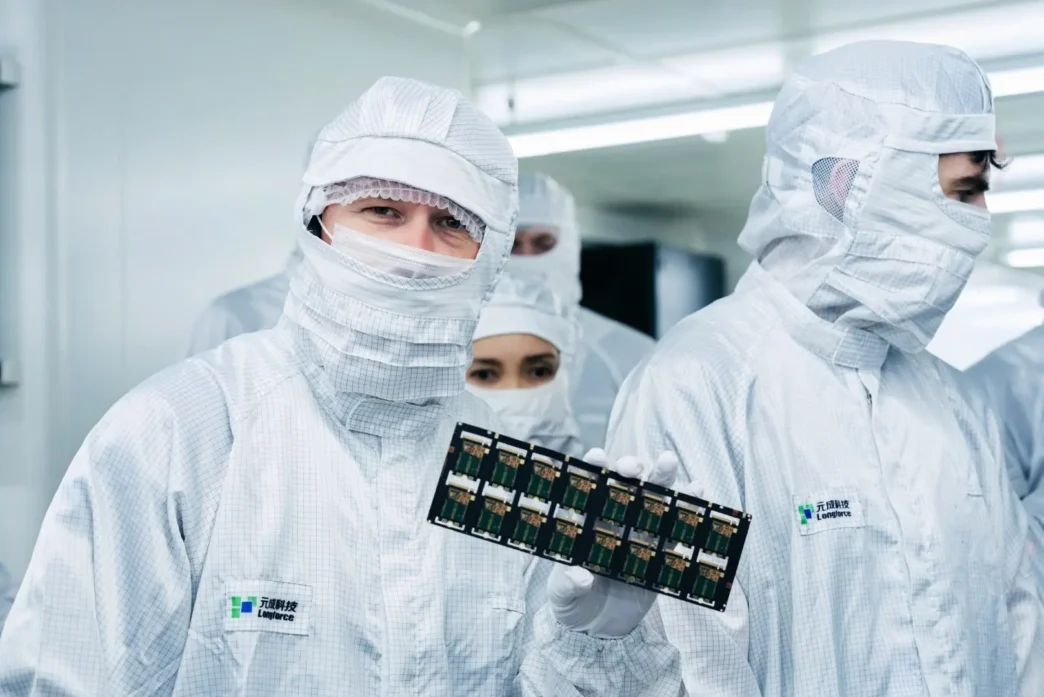
When most people think about memory products like SD cards, SSDs, and portable storage, they rarely consider the level of engineering, testing, and manufacturing required before those products ever reach store shelves. During a recent trip to China with Lexar, I had the opportunity to go behind the scenes and see firsthand how memory products move from concept to completion. The visit provided access to multiple areas of the operation, including manufacturing lines, quality assurance and validation processes, research and development efforts, and the technologies used to ensure performance and reliability. Seeing these stages up close offered valuable insight into the scale, precision, and coordination involved in producing modern storage solutions. In this article, I’ll share what I learned during the experience and offer a closer look at the people, processes, and innovation that power the memory products many of us use every day.
Lexar’s Evolution in Flash Memory
Lexar started three decades ago and quietly shaped the flash memory industry through steady innovation and smart growth. The company’s acquisition by Longsys opened new doors for expansion into SSDs and RAM modules, pushing storage technology into exciting new territory.
Acquisition by Longsys
Longsys acquired Lexar in 2017, and this move changed everything for the brand. The acquisition brought massive R&D resources and nearly 20 years of flash storage expertise directly into Lexar’s team.
This partnership gave Lexar access to development capabilities and deep technical knowledge that took decades to build. Suddenly, new possibilities for product innovation were wide open.
Following the acquisition, Lexar kept doing what it did best while stepping into new territory. The company continued producing removable storage that customers loved, and Longsys’s backing gave it the confidence to branch out into USB flash drives as well.
That expansion was about more than just funding. It was about gaining the expertise and resources needed to grow in multiple directions at once. Lexar’s development team could now focus on better products across different storage categories, from traditional removable media to new USB technology formats.
Suzhou Factory Tour
To understand how memory gets made we started with a visit to the Longforce automotive storage production facility. This facility is located in Suzhou, China, which is about an hour and a half drive from Shanghai. If you are not familiar, Longforce is the manufacturing arm of the company. This facility for the most part produces automotive storage, but your consumer products are made with the same type of process.
All of your storage products start with in wafer form. A wafer is basically a super-thin disc made from silicon, and it serves as the foundation for all memory chips.
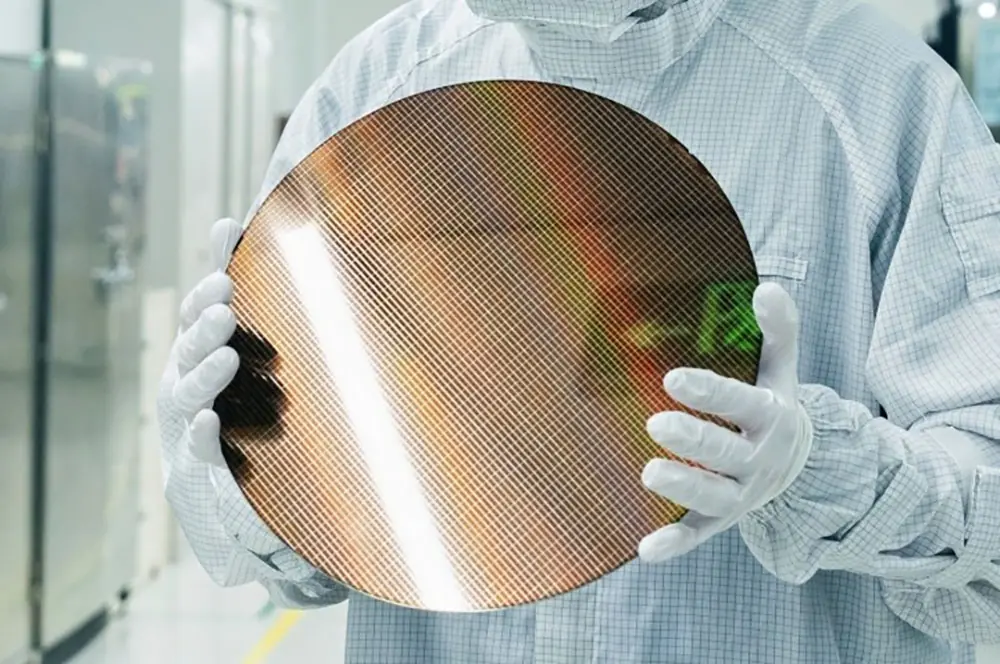
Here is a quick breakdown of the wafer-to-chip process…
- Raw silicon gets shaped into ultra-thin discs inside a cleanroom environment
- Circuits are etched onto each disc layer by layer through a lithography process
- The finished wafer gets sliced into individual pieces called dies or chips
- Each die, roughly 30 microns thick and thinner than a human hair, packs serious storage capacity
- Engineers then stack these dies vertically to squeeze even more storage into compact devices
The precision required during wafer production separates quality memory from the rest.
This foundation determines how well your storage products perform when you need them the most. Understanding how wafers get manufactured shows why some storage products cost more than others, and it explains the difference between products that last and ones that fail.
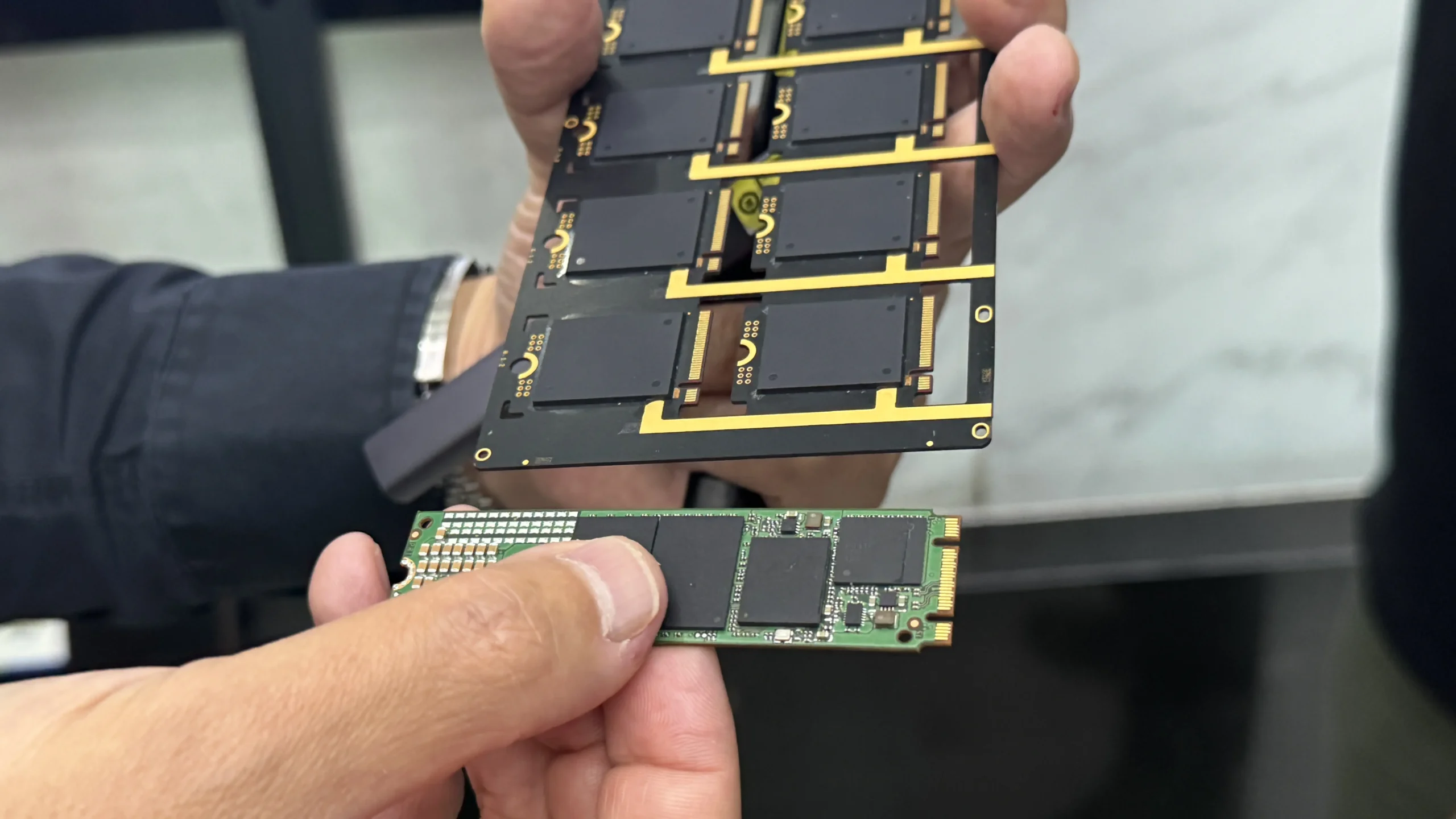
One of the products that was being produced at the Suzhou facility on the day we visited was the mSSD (micro solid state drive). This new drive is set to revolutionize laptop and other small device storage as it significantly cuts down the size of these drives, but still provides the same capacity and performance that you would see from a standard M.2 2280 drive, except this drive is in a M.2 2230 form factor.
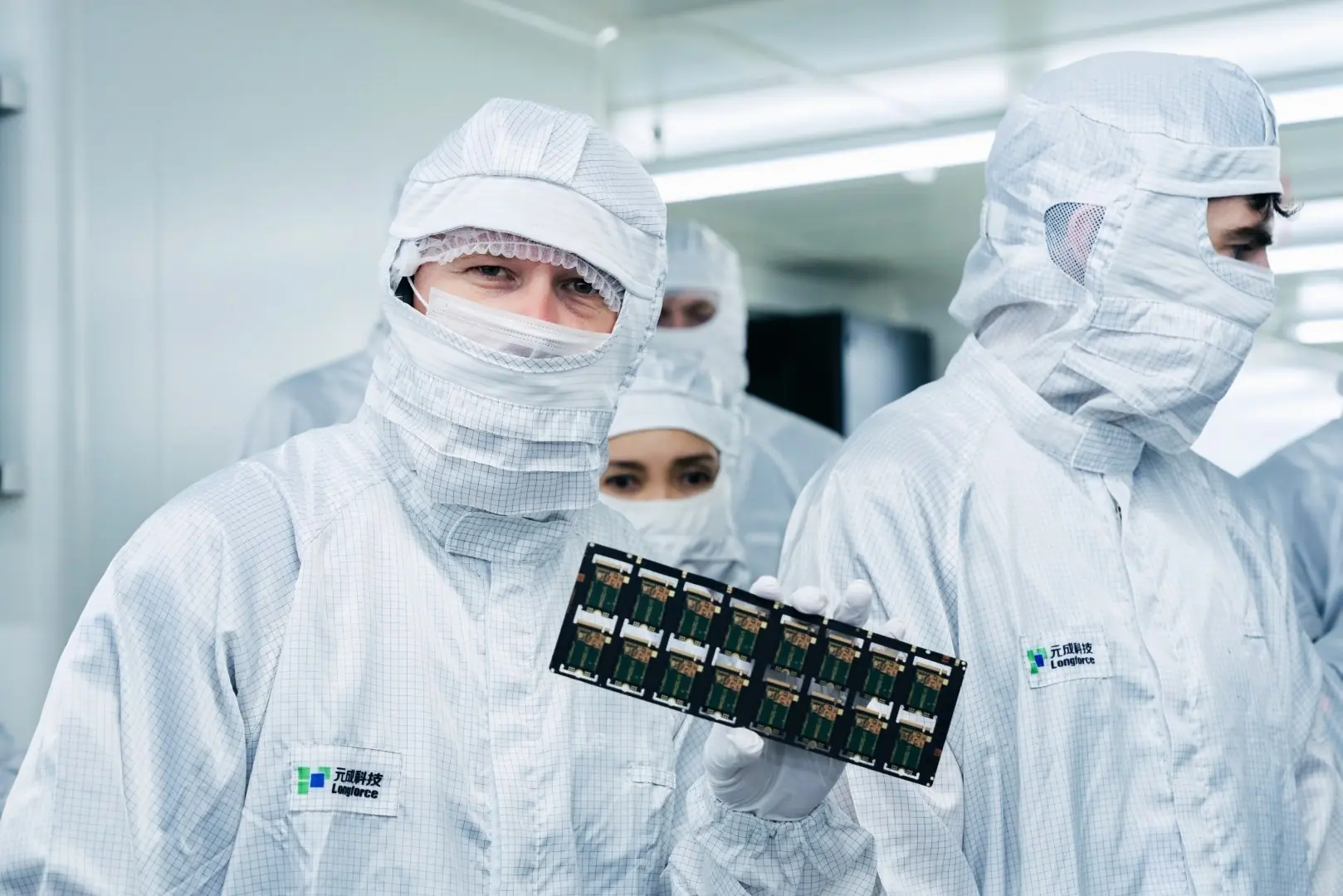
Lexar makes this possible by combining the controller itself, NAND chips, and power management all into a single unified chip. This means that a typical M.2 solid state drive that would take up 80mm (M.2 2280) of space, now only takes up 30mm (M.2 2230) of space.