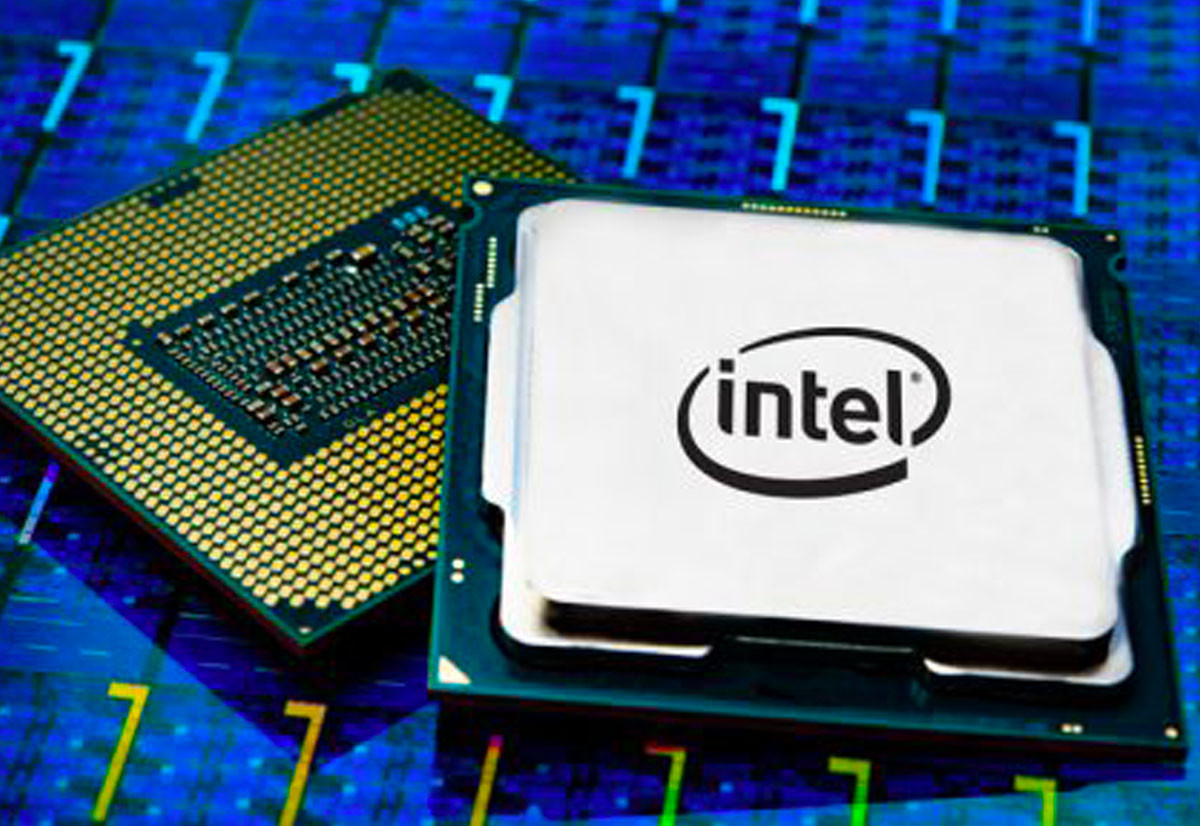
Intel has surprised the tech world by reintroducing a processor from its “Comet Lake” generation, five years after its initial release. The new Core i5-110, built on the 14nm+++ process, appears to be a rebadged version of the Core i5-10400, sparking confusion and debate among consumers and industry analysts alike.
Key Takeaways
- Intel has launched the Core i5-110, a 14nm Comet Lake-S processor.
- The new chip is essentially a rebadge of the 2020 Core i5-10400.
- It features 6 cores, 12 threads, a 2.9 GHz base clock, and a 4.3 GHz boost clock.
- The processor is priced at $200, the same launch price as the original Core i5-10400.
- Compatibility is limited to LGA1200 sockets and 400/500-series motherboards.
A Blast from the Past, or a Step Back?
Intel’s decision to bring back the Comet Lake architecture with the Core i5-110 has raised eyebrows. This new processor shares identical specifications with the Core i5-10400, including its 6-core, 12-thread configuration, 12MB of L3 cache, and clock speeds of 2.9 GHz base and 4.3 GHz boost. It also retains the 65W TDP and the integrated Intel UHD 630 graphics. Furthermore, it supports DDR4-2666 memory, a stark contrast to the DDR5 prevalent in today’s market.

Questionable Value and Compatibility
The Core i5-110 is being marketed under the “Core Series 1” moniker, a branding that has also been used for mobile and embedded Raptor Lake chips, leading to further branding confusion. The most contentious aspect of this release is its $200 price tag. This price point is identical to the original launch price of the Core i5-10400 five years ago, especially considering that the 14nm process should theoretically be cheaper to manufacture by now. Critics argue that for $200, consumers can find significantly more modern and powerful processors.
Compatibility is another significant hurdle. The Core i5-110 is designed for the LGA1200 socket, meaning it only works with Intel’s 400-series and 500-series motherboards. With Intel having introduced newer sockets since then, the pool of potential users with compatible motherboards is likely very small. This makes the chip’s appeal limited to those already on an older platform who might be looking for a minor upgrade within the same ecosystem, rather than new builds.
Intel’s Strategy: Clearing Stock or Filling Niches?
Industry observers speculate that this move might be Intel’s way of clearing out existing inventory of 14nm silicon or fulfilling specific OEM demands. The resurrection of such an old architecture at a premium price point has led to criticism, with some suggesting it reflects a lack of cutting-edge innovation or a struggle to keep manufacturing lines fully utilized with newer products. While Intel continues to push forward with its advanced manufacturing nodes and new architectures, the reappearance of the Core i5-110 serves as a peculiar reminder of its long-standing 14nm technology.
Via @momomo_us