The Internet of Things (IoT) has evolved from a technological concept into a transformative force that influences nearly every aspect of our lives and work. From highly complex industrial facilities to everyday household appliances, IoT enables unprecedented connectivity and automation.
This technology connects physical objects to the internet, creating intelligent systems that can collect, analyze, and act on data autonomously. The range of applications is as diverse as it is impressive, fundamentally changing how we interact with our environment and reshaping entire industries in the process.
Industrial Automation: The Foundation of Smart Manufacturing
Industrial automation represents one of the most significant and mature applications of IoT technology. In manufacturing environments, IoT devices monitor everything from machine performance and energy consumption to environmental conditions and worker safety. Smart factories leverage interconnected sensors, actuators, and control systems to create self-optimizing production lines that can adapt to changing demands in real-time.
A IoT platform serves as the central nervous system of these operations, collecting vast amounts of data from machinery and equipment to enable predictive maintenance, quality control, and operational efficiency improvements. This interconnected approach has revolutionized traditional manufacturing processes, reducing downtime, minimizing waste, and increasing overall productivity. Companies can now monitor their entire supply chain, from raw material sourcing to final product delivery, creating transparency and enabling rapid response to disruptions or quality issues.
Smart Agriculture and Environmental Monitoring
The agricultural sector has embraced IoT technology to address growing global food security challenges while promoting sustainable farming practices. Modern precision agriculture systems utilize different IoT sensors to monitor soil moisture levels, nutrient content, weather conditions, and crop health in real-time. These sensors provide farmers with detailed insights that enable precise irrigation scheduling, optimal fertilizer application, and early detection of pest infestations or plant diseases.
Livestock monitoring systems track animal health, behavior patterns, and location data, improving animal welfare while optimizing breeding and feeding programs. Environmental monitoring extends beyond agriculture to include air quality assessment, water resource management, and wildlife conservation efforts. Smart irrigation systems can reduce water consumption by up to 50% while maintaining or improving crop yields, demonstrating the powerful combination of efficiency and sustainability that IoT solutions can deliver.
Consumer Applications: Transforming Daily Life
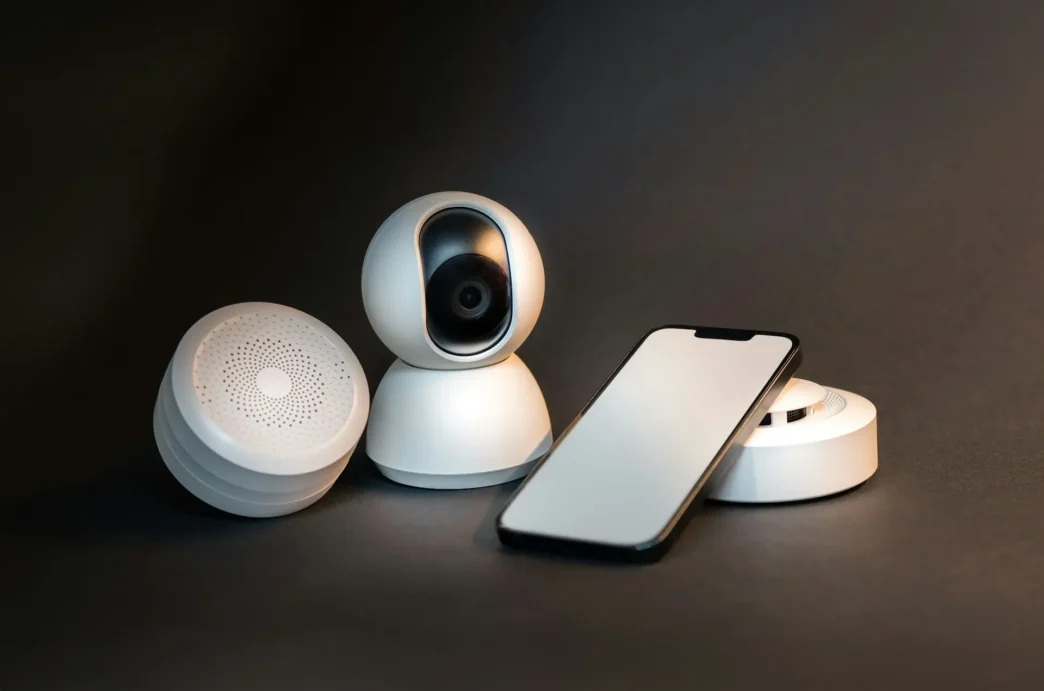
Consumer IoT applications have perhaps the most visible impact on everyday life, transforming homes into intelligent, responsive environments. Smart home ecosystems integrate lighting, heating, security, and entertainment systems into cohesive networks that learn from user behavior and preferences. Voice-activated assistants serve as central hubs, allowing users to control multiple devices through natural language commands.
Wearable devices monitor personal health metrics, track fitness activities, and provide personalized recommendations for improved wellness. Smart appliances, from refrigerators that manage grocery lists to washing machines that optimize energy consumption, are making household management more efficient and convenient. The automotive industry has also embraced consumer IoT through connected vehicles that provide navigation assistance, predictive maintenance alerts, and seamless integration with smartphones and smart home systems.
Healthcare Innovation and Remote Patient Monitoring
Healthcare represents one of the most promising frontiers for IoT applications, offering solutions that can improve patient outcomes while reducing costs. Remote patient monitoring systems enable healthcare providers to track vital signs, medication adherence, and recovery progress outside traditional clinical settings. Chronic disease management has been particularly transformed, with IoT devices helping patients with diabetes, heart conditions, and other long-term illnesses maintain better control over their health.
Smart medical devices can automatically alert healthcare professionals to critical changes in patient condition, enabling rapid intervention when necessary. Telemedicine platforms integrated with IoT sensors provide comprehensive remote care capabilities, making healthcare more accessible to underserved populations and reducing the burden on healthcare facilities.
Future Prospects and Emerging Opportunities
As IoT technology continues to mature, emerging applications promise even greater transformation across industries and daily life. Smart cities initiatives are integrating IoT solutions for traffic management, waste collection, energy distribution, and public safety, creating more efficient and livable urban environments.
The convergence of IoT with artificial intelligence, machine learning, and edge computing is enabling more sophisticated autonomous systems that can make complex decisions without human intervention. From autonomous vehicles and drone delivery systems to advanced robotics and augmented reality applications, the future of IoT holds immense potential for continued innovation and societal benefit.