


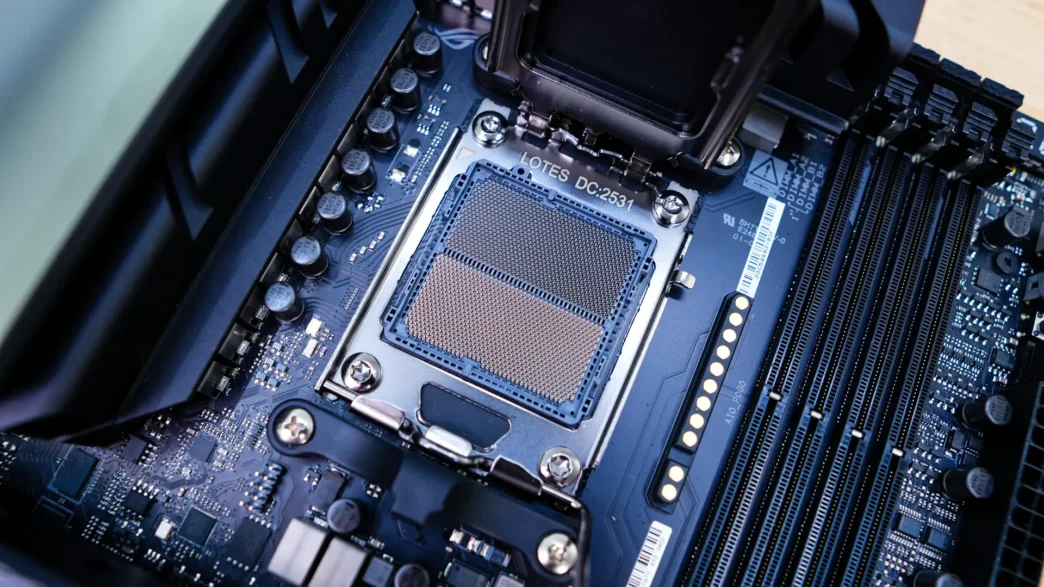
ASUS, GIGABYTE, and MSI are reportedly preparing motherboard price increases in the third quarter of 2026. The potential hikes come as PCB, copper, and electronic-component costs surge while weaker PC upgrade demand leaves manufacturers selling fewer units and facing greater pressure on profit margins.
Key takeaways
- ASUS, GIGABYTE, and MSI may raise motherboard prices during Q3 2026.
- Consumer motherboard PCB costs are reportedly expected to increase by at least 50% this year.
- Copper, capacitors, power components, and controller chips are also becoming more expensive.
- Weak demand and elevated memory prices could make PC upgrades even less attractive.
The reported plans originate from Board Channels, a Taiwanese industry outlet focused on motherboard and graphics-card distribution. The information has been reported by several hardware publications, but the manufacturers have not publicly confirmed specific models, percentages, or launch dates for the increases.
Rising production costs squeeze manufacturers
The largest pressure point is the cost of printed circuit boards. According to the reports, PCBs used in consumer motherboards could become at least 50% more expensive in 2026. Copper prices are also rising, while other essential parts—including surface-mount capacitors, power-delivery components, and control chips—are facing higher costs or supply constraints.
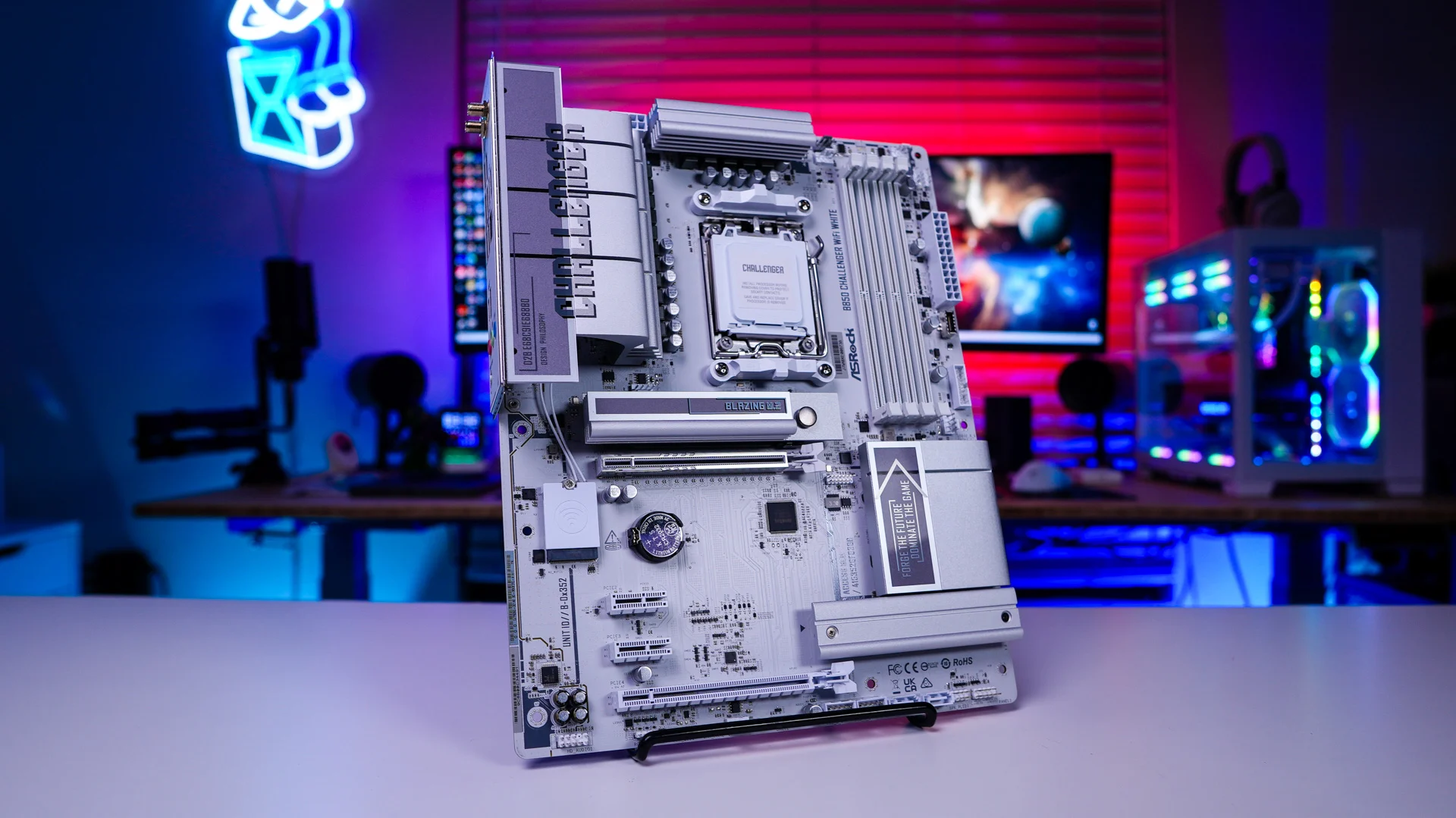
The impact will vary by product. Motherboards with more PCB layers, larger power-delivery systems, additional connectivity, and premium materials have more expensive bills of materials. As a result, mid-range and high-end boards may see a larger absolute increase than entry-level models.
Fewer sales create a difficult pricing dilemma
The proposed increases are arriving despite weakening motherboard shipments. Higher memory prices have already encouraged many consumers to delay new builds, and the absence of major CPU or GPU launches has reduced the incentive to replace otherwise functional systems.
Manufacturers typically spread development, manufacturing, distribution, and logistics costs across large sales volumes. When shipments decline, each remaining unit carries a greater share of those expenses. Raising prices may help protect margins, but it could also further reduce demand in an already cautious market.
Limited platform momentum weighs on upgrades
The current PC market also lacks a major platform transition capable of driving broad motherboard sales. Intel’s next significant desktop platform, reportedly known as Nova Lake, is still months away, while AMD has not formally announced a consumer Zen 6 desktop platform in the material surrounding the report.
Existing platforms continue to offer useful upgrade paths, but buyers may see little reason to replace a working motherboard. Higher RAM prices add another barrier, particularly because many recent motherboard updates have centered on support for newer and more expensive memory technologies.
What shoppers should expect
No universal increase has been disclosed, and pricing will likely differ by model, region, retailer, and inventory. Older boards already in distribution could temporarily retain current prices, while newly manufactured or restocked products may reflect higher costs sooner.
Consumers planning a necessary build may want to compare prices across retailers and consider whether a current-generation platform meets their needs before Q3 pricing changes take effect. Those with functioning systems, however, may find that postponing an upgrade remains the most practical option until component costs and platform demand stabilize.
Via VideoCardz