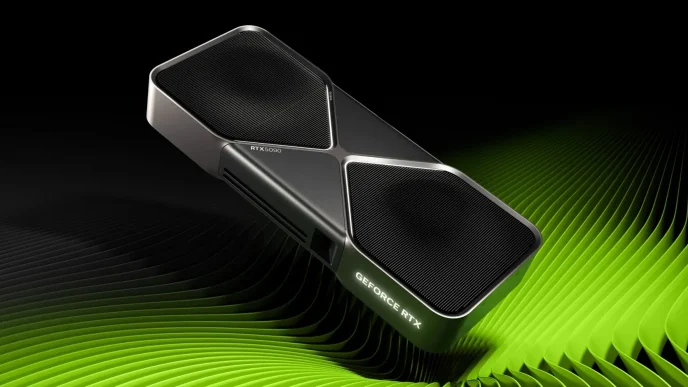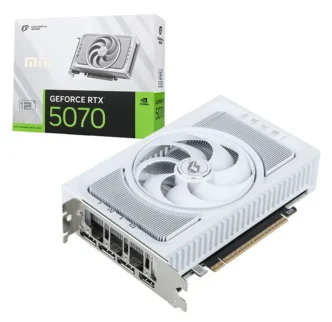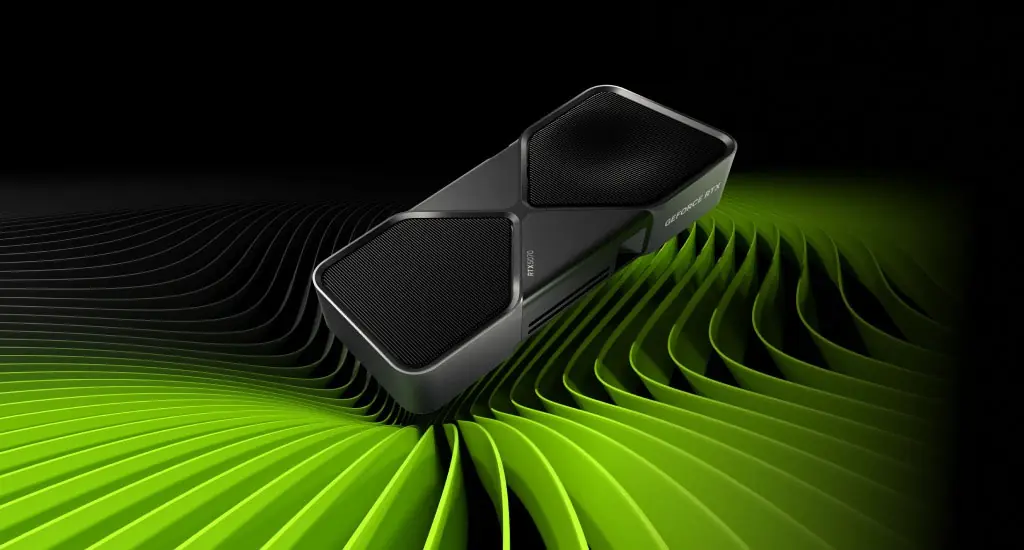
Reports indicate NVIDIA has significantly paused production of its GeForce RTX 50-series graphics cards, a move allegedly driven by overwhelming demand for its AI-focused GPUs. This strategic shift is expected to lead to severe shortages of new gaming hardware, potentially impacting availability well into late 2026. The decision prioritizes NVIDIA’s lucrative AI market over its traditional gaming consumer base.
Key Takeaways
- NVIDIA reportedly pauses production of most RTX 50-series GPUs.
- The decision is driven by massive AI chip demand and overbooked sales.
- RTX 50 Super series GPUs may be scrapped or significantly delayed.
- Gamers could face “unobtanium” status for high-end cards and low supply for others.
- A potential price increase of up to 30% is also rumored.
AI Demand Overwhelms Gaming GPU Supply
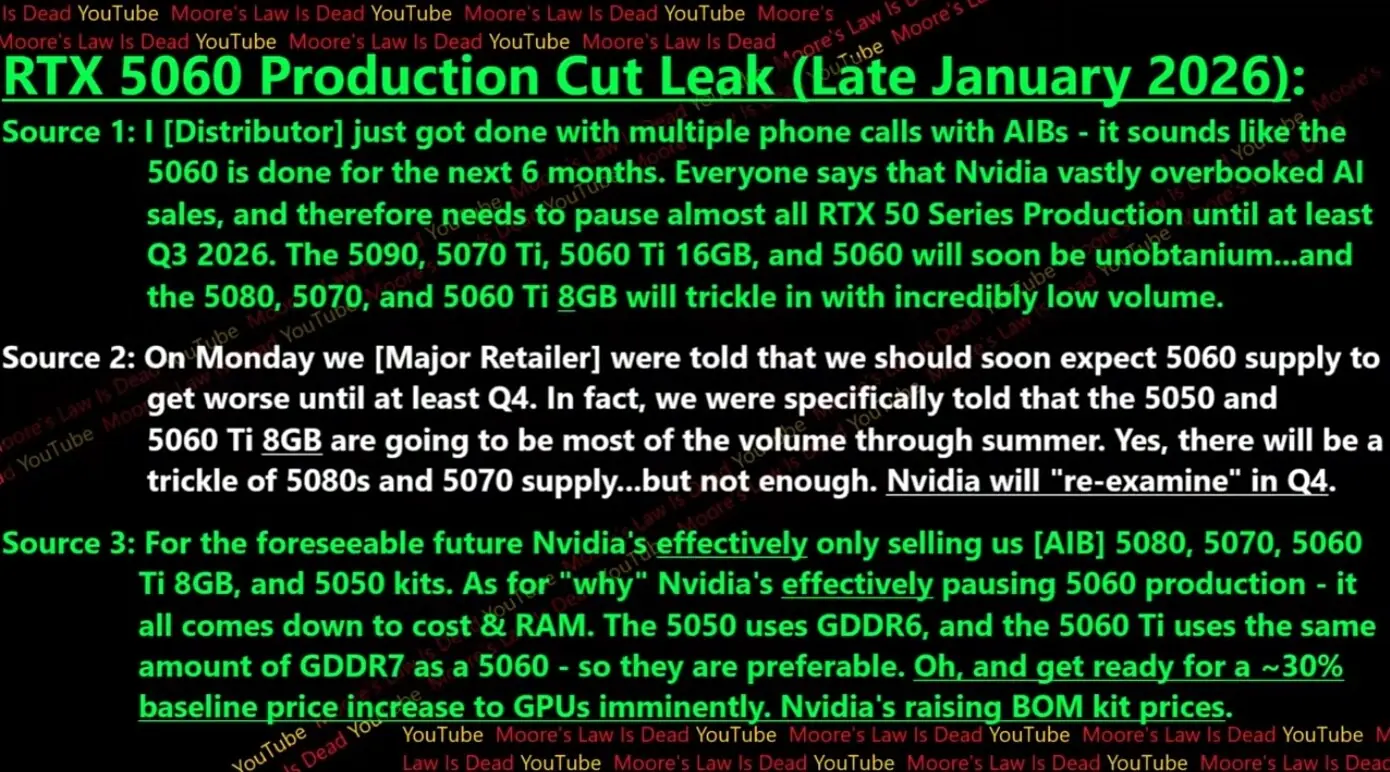
Sources suggest that NVIDIA has “vastly overbooked AI sales,” compelling the company to divert resources and manufacturing capacity away from its consumer GeForce RTX 50-series. This has led to a reported six-month pause on production for several key models, including the anticipated RTX 5060. Some reports indicate that higher VRAM models like the RTX 5090, RTX 5070 Ti, and RTX 5060 Ti 16GB may become virtually unobtainable.
RTX 50 Super Series in Jeopardy
Further compounding the issue for gamers, NVIDIA has reportedly shelved plans for its upcoming RTX 50 Super series refresh. This decision is attributed to the strong sales of existing RTX 50-series cards and a lack of significant competitive pressure from AMD. The increased memory requirements for Super cards would also elevate production costs, making them less appealing given the current market dynamics and NVIDIA’s focus on high-margin AI products.
Gamers Face Scarcity and Potential Price Hikes
While lower VRAM models like the RTX 5050 and RTX 5060 Ti 8GB might see limited availability, the overall supply of RTX 50-series GPUs is expected to be drastically reduced through at least Q3 or Q4 of 2026. Some reports even suggest a potential 30% price increase across the board due to rising component costs and NVIDIA’s strategic prioritization. This situation leaves gamers in a difficult position, potentially facing extended waits and higher prices for new graphics cards.