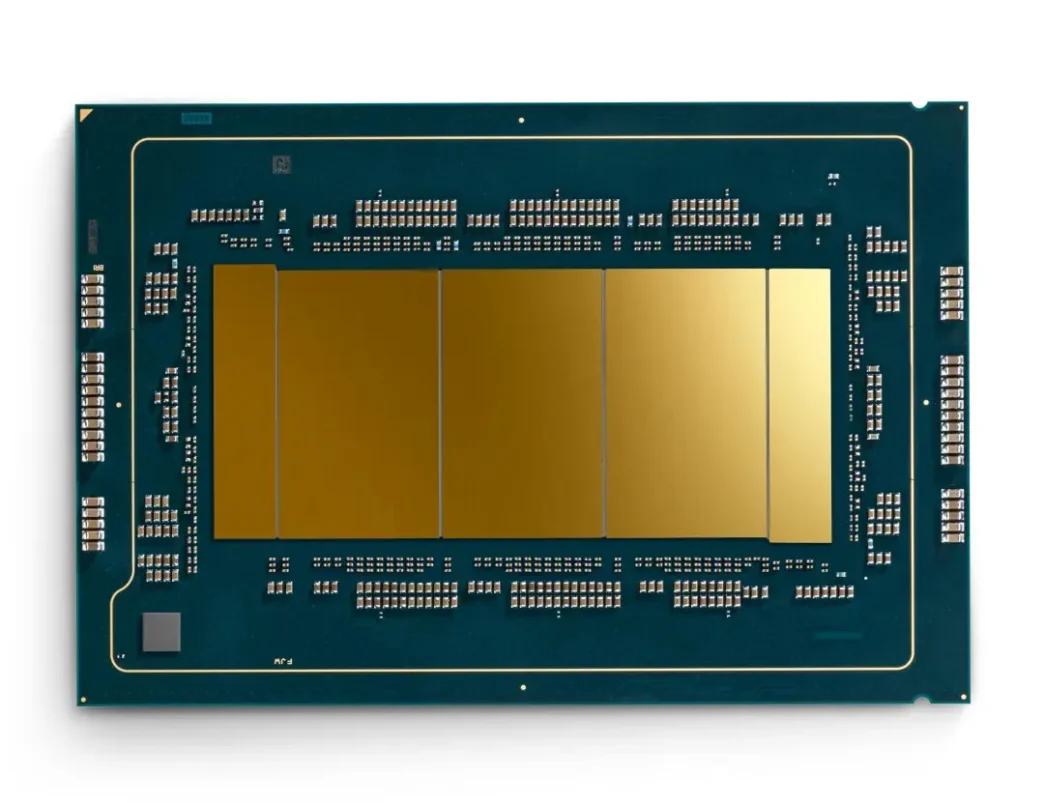
Intel has announced a strategic shift in its production, reallocating manufacturing capacity from consumer PC processors to high-demand server CPUs. This move comes as the company faces a tight wafer supply and a surge in demand from hyperscalers for its Xeon processors, particularly for AI and data center applications. The decision is expected to impact the availability of lower-end consumer PCs.
Key Takeaways
- Intel is redirecting production capacity from its Client Computing Group (CCG) to its Data Center and AI (DCAI) group.
- This reallocation is driven by unexpectedly high demand for Xeon processors from hyperscalers.
- The company anticipates a temporary shortage of client CPUs, particularly budget models.
- Intel expects supply constraints to ease in the second quarter of 2026.
The Strategic Pivot
Intel’s Chief Financial Officer, David Zinsner, revealed during the company’s Q4 2025 earnings call that Intel underestimated the demand for its data center products. Six months prior, hyperscale customers indicated a preference for fewer, high-core-count chips. However, this sentiment shifted dramatically, leading to a significant increase in demand for Intel’s Xeon processors in the latter half of 2025. To meet this surge, Intel is prioritizing the production of Xeon 6 processors, which are crucial for AI servers and systems like Nvidia’s DGX and AMD Instinct-based GPU boxes.
Both (DCAI and CCG) will be down as a function of supply. Obviously, we’re shifting as much as we can over to data center to meet the high demand, but we can’t completely vacate the client market. So we’re trying to support both as best we can and obviously work our way out of this supply issue. I do believe that the first quarter is the trough. We will improve supply in the second quarter. Part of the challenge is that in the third and fourth quarter of 2025, we lived off of supply, but we also had a reasonable chunk of finished goods inventory to also work through. Unfortunately, that is now down to kind of 40% of what it was at peak levels. – Intel CFO David Zinsner
Impact on the Consumer Market
While Intel assures that it will not completely abandon the client market, the focus will shift towards mid- and high-end processors. Lower-end, budget-friendly CPUs will see reduced production as capacity is diverted to the more profitable data center segment. This strategic adjustment, coupled with rising memory prices from other manufacturers like Micron, SK Hynix, and Samsung who are also prioritizing AI-related components, could lead to increased prices and reduced availability of affordable PCs for consumers.

Future Outlook and Production Nodes
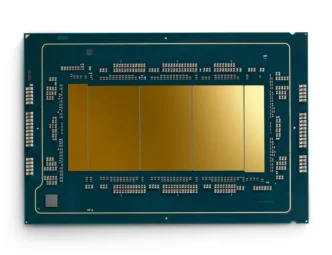
Intel manufactures its latest Xeon 6 “Granite Rapids” and “Sierra Forest” processors on its Intel 7 and Intel 3 nodes. Production on these nodes is being redirected to the DCAI group. While newer client CPUs like “Panther Lake” utilize the advanced 18A node and externally manufactured chips like “Arrow Lake” from TSMC will not be affected, other client product lines may experience lower availability. Intel anticipates that supply constraints will begin to ease in the second quarter of 2026, with plans to increase production capacity across its Intel 7, Intel 3, and Intel 18A process nodes.