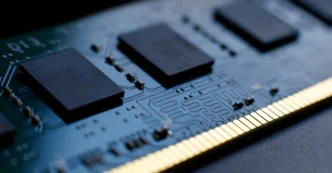
Major personal computer manufacturers, including HP, Dell, Acer, and ASUS, are reportedly exploring the use of memory chips from Chinese manufacturer CXMT. This significant shift comes as global shortages of DRAM, driven by soaring demand for AI servers, have led to triple-digit price increases from traditional South Korean suppliers. The move signifies a potential disruption in established tech supply chains as companies seek alternative sources to meet consumer demand and manage rising costs.
Key Takeaways
- Major PC OEMs like HP, Dell, Acer, and ASUS are investigating CXMT’s DDR5 memory modules.
- This exploration is driven by severe global DRAM shortages and escalating prices from Korean manufacturers.
- The move could represent a significant diversification of the global tech supply chain.
- CXMT’s potential integration could be accelerated by its upcoming IPO.
Shifting Supply Chains Amid Shortages
Global demand for memory chips, particularly DRAM, has surged, largely fueled by the insatiable appetite of AI servers. This has created a significant supply crunch, forcing traditional PC manufacturers to reconsider their sourcing strategies. With prices from established players like Samsung Electronics, SK Hynix, and Micron skyrocketing, companies are now turning their attention to Chinese alternatives, a move previously hindered by verification and geopolitical concerns.
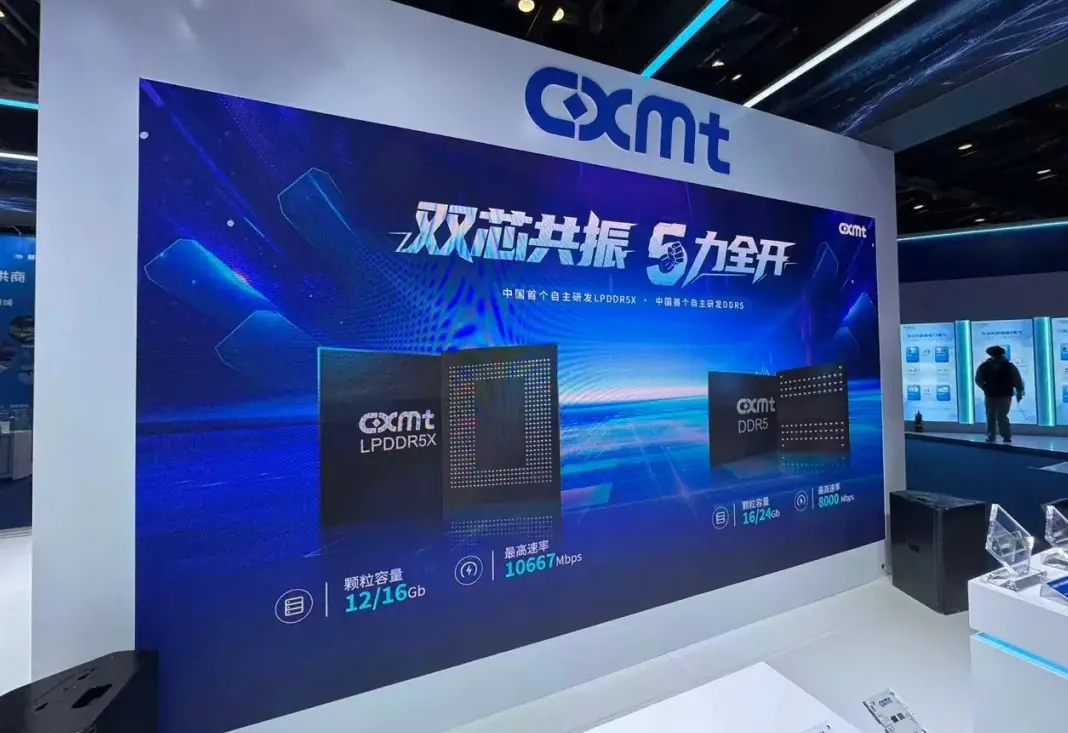
OEMs Evaluate CXMT’s Offerings
Reports indicate that HP has already begun testing CXMT’s DDR5 modules and is considering their adoption, potentially for products sold outside the United States. Dell is also reportedly evaluating CXMT’s DRAM products due to concerns about continued price increases through 2026. Acer is open to using Chinese memory if integrated through contract manufacturing partners, while ASUS has reportedly asked its Chinese production partners to assist in sourcing memory for specific notebook projects.
Geopolitical and Market Implications
This development is particularly noteworthy given the ongoing US efforts to strengthen export controls on Chinese semiconductor companies on national security grounds. Industry observers view this as a clear signal of the intensified memory supply shortages and upward price pressures. The potential adoption of CXMT’s memory could also provide a significant boost to the Chinese company, especially as it heads towards an IPO, potentially solidifying its position as a key DRAM supplier within China.
Via Business Korea