
Philips and AOC have unveiled groundbreaking gaming monitors, the Evnia 27M2N5500XD and AGON Pro AGP277QK, respectively. These 27-inch displays mark a significant leap in gaming technology by offering a dual-mode refresh rate capability, achieving an unprecedented 1000Hz.
Key Takeaways
- Dual-Mode Refresh Rate: Monitors can operate at 1440p resolution with a 500Hz refresh rate, or switch to a 720p resolution for an extreme 1000Hz refresh rate.
- Target Audience: Primarily aimed at competitive gamers seeking the ultimate in motion clarity and reduced input lag.
- Panel Technology: Likely utilize an IPS panel, evidenced by a 2000:1 static contrast ratio and 1ms GtG response time, though specific details are pending.
- Other Features: Include VESA DisplayHDR 400 certification and ergonomic stands.
- Availability: Currently showcased in China, with global pricing and release dates yet to be announced, potentially at CES 2026.
A New Frontier in Gaming Speed
Philips and AOC, sister brands under TP Vision, have introduced what they claim to be the world’s first gaming monitors capable of reaching a staggering 1000Hz refresh rate. These new models, the Philips Evnia 27M2N5500XD and the AOC AGON Pro AGP277QK, share a common 27-inch panel that offers a unique dual-mode functionality.
Dual-Mode Performance
In its primary mode, the monitors deliver a sharp 1440p (QHD) resolution at a very high 500Hz refresh rate. However, for gamers who prioritize absolute speed and motion clarity above all else, a special mode allows the display to drop to a 720p (HD) resolution, unlocking an astonishing 1000Hz refresh rate. This drastic increase in refresh rate aims to minimize motion blur and input lag to an extent previously unseen in commercial desktop monitors.

Panel Specifications and Considerations
While the exact panel type has not been officially confirmed, specifications such as a 2000:1 static contrast ratio and a 1ms GtG (Gray-to-Gray) response time strongly suggest the use of an advanced IPS panel. This contrasts with TN panels, which are typically faster but offer lower contrast, and VA panels, which offer higher contrast but are generally slower. The monitors also boast VESA DisplayHDR 400 certification, indicating entry-level HDR capabilities.
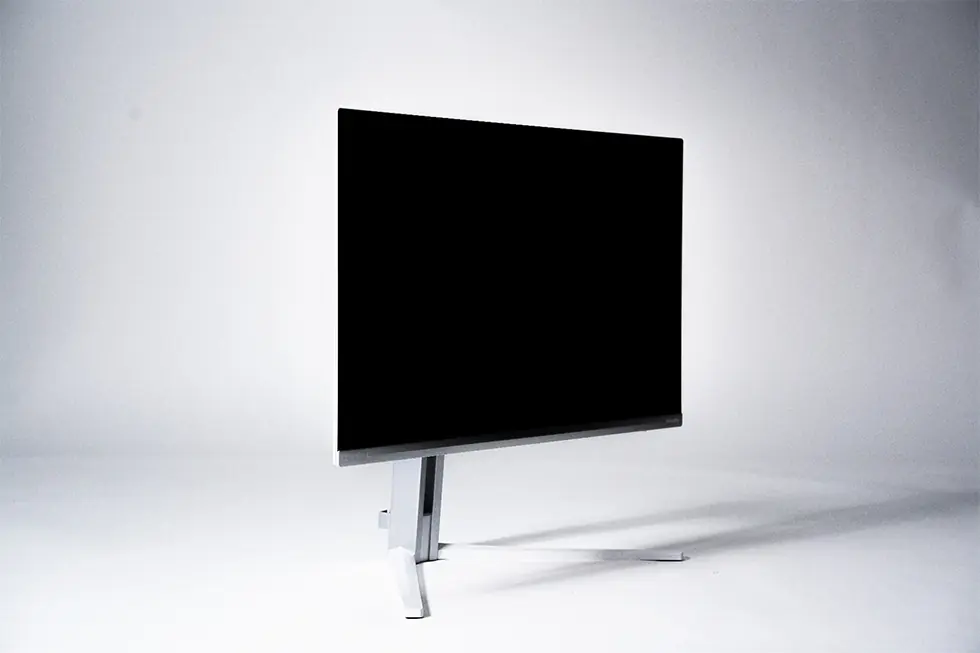

However, the extreme 1000Hz mode comes with trade-offs. Running a lower resolution like 720p on a 1440p native panel means a significant reduction in image detail. Furthermore, achieving true 1000Hz performance requires near-instantaneous pixel response times, which can be a challenge for current LCD technology, potentially leading to some image artifacts like smearing or ghosting, even with a 1ms GtG rating. OLED technology is often cited as a more suitable candidate for such extreme refresh rates in the future.
Features and Future Outlook
Beyond raw speed, the Philips model includes features like its AI-driven light-sync system and ComfortView 4.0 for eye health, along with the Smart ErgoBase for adjustability. The AOC monitor is expected to feature a similar ergonomic stand. Both monitors have been showcased in China, but Philips and AOC have yet to announce global availability or pricing. It is anticipated that more details will be revealed at upcoming industry events like CES 2026.