
Sony is reportedly considering a significant delay for its next-generation PlayStation 6 console, potentially pushing its release to 2028 or even 2029. This potential setback is attributed to a global shortage of memory chips, exacerbated by the booming demand from artificial intelligence data centers. This situation is also impacting Nintendo, which may increase the price of its Switch 2.
Key Takeaways
- Sony may delay the PlayStation 6 to 2028 or 2029 due to memory chip shortages.
- The demand for AI data centers is a primary driver of the chip crisis.
- Nintendo might raise the price of the Switch 2 to offset rising component costs.
- This potential delay breaks Sony’s established console release cycle.
The AI Impact on Console Production
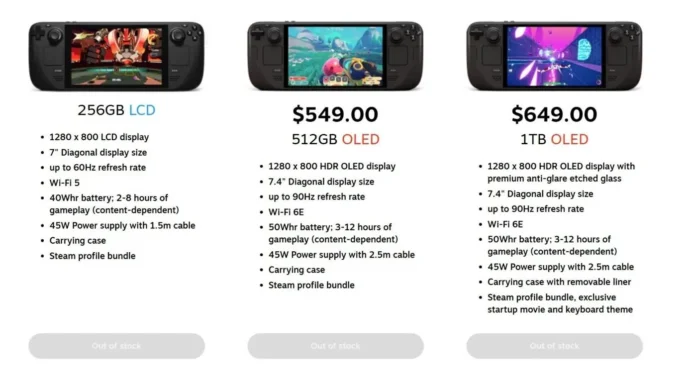
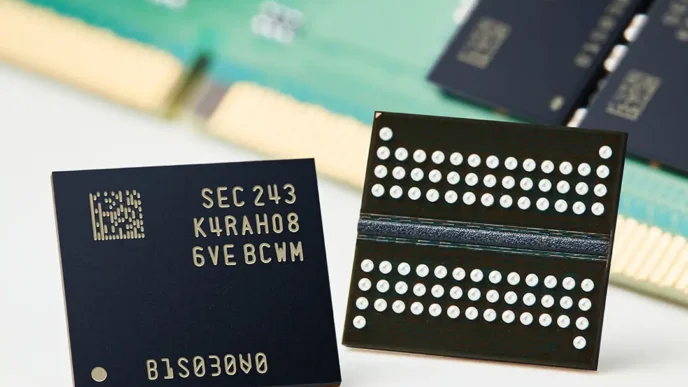
The burgeoning artificial intelligence sector is creating unprecedented demand for memory chips, particularly high-bandwidth memory (HBM). Tech giants are investing heavily in AI infrastructure, leading memory manufacturers like Samsung, SK Hynix, and Micron to prioritize these lucrative contracts. Consequently, consumer electronics, including gaming consoles, are facing supply constraints and increased costs.
Sony’s Shifting Console Cycle
Sony has historically maintained a consistent six-to-seven-year cycle for its PlayStation consoles since the original’s debut in 1994. A delay to 2028 would mean an eight-year gap since the PlayStation 5’s launch in 2020, and 2029 would extend it to nine years, a significant departure from its established strategy. This decision hinges on whether launching a memory-constrained console at a potentially higher price would damage the PlayStation brand more than waiting for supply chain stability.
Nintendo’s Response to Rising Costs
Nintendo is also feeling the pressure of increased component costs. Instead of delaying its recently launched Switch 2, the company is reportedly contemplating a price increase for the console to mitigate the impact of soaring memory prices. This move could present a challenge for consumers already navigating economic uncertainties.
Broader Industry Implications
The AI-driven chip crisis signifies a shift in power within the semiconductor market, with AI infrastructure now dictating production priorities over consumer electronics. This situation could have ripple effects across the gaming industry, impacting game development schedules and retail strategies. While Microsoft’s Xbox roadmap remains less clear, its existing relationships with cloud services might offer some leverage. The long-term consequences depend on whether the AI demand is a temporary surge or a permanent reordering of the semiconductor landscape.
Via Bloomberg