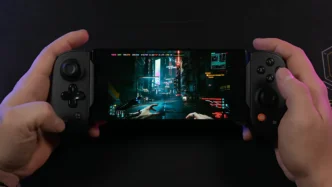
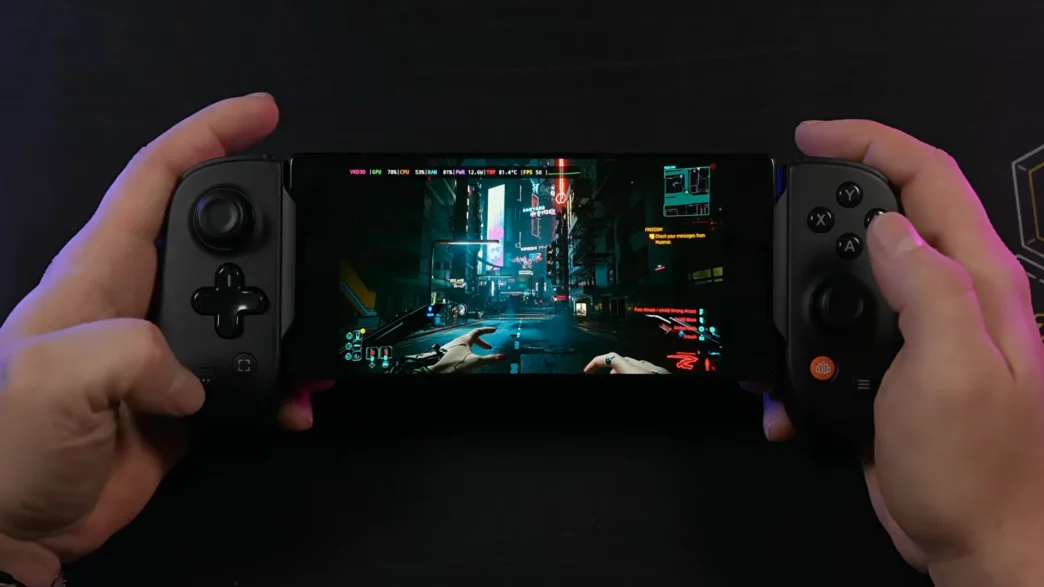
In a remarkable feat of mobile technology, the demanding PC version of Cyberpunk 2077 is now playable on high-end Android smartphones. This achievement, previously thought to be years away, is made possible through advanced PC emulation techniques, allowing the graphically intensive game to run at respectable frame rates directly on mobile devices without relying on cloud streaming.
Key Takeaways
- High-end Android phones, particularly those with powerful chipsets like the Snapdragon 8 Gen 5, can now emulate and run the PC version of Cyberpunk 2077.
- Playable frame rates, ranging from the high 20s to over 50 FPS, have been achieved using emulation software and upscaling technologies like FSR 2.1.
- While impressive, the emulation pushes hardware to its limits, resulting in high temperatures and occasional visual artifacts.
- This development signifies a major leap in mobile emulation capabilities, blurring the lines between dedicated gaming devices and smartphones.
Emulation Breakthrough
Utilizing emulation software such as GameHub and WinLater, which translate x86 games for ARM architecture, YouTubers have successfully demonstrated Cyberpunk 2077 running on devices like the Red Magic 11 Pro. This setup bypasses the need for a separate PC or cloud streaming service, running the game locally on the phone’s hardware.
Performance Metrics
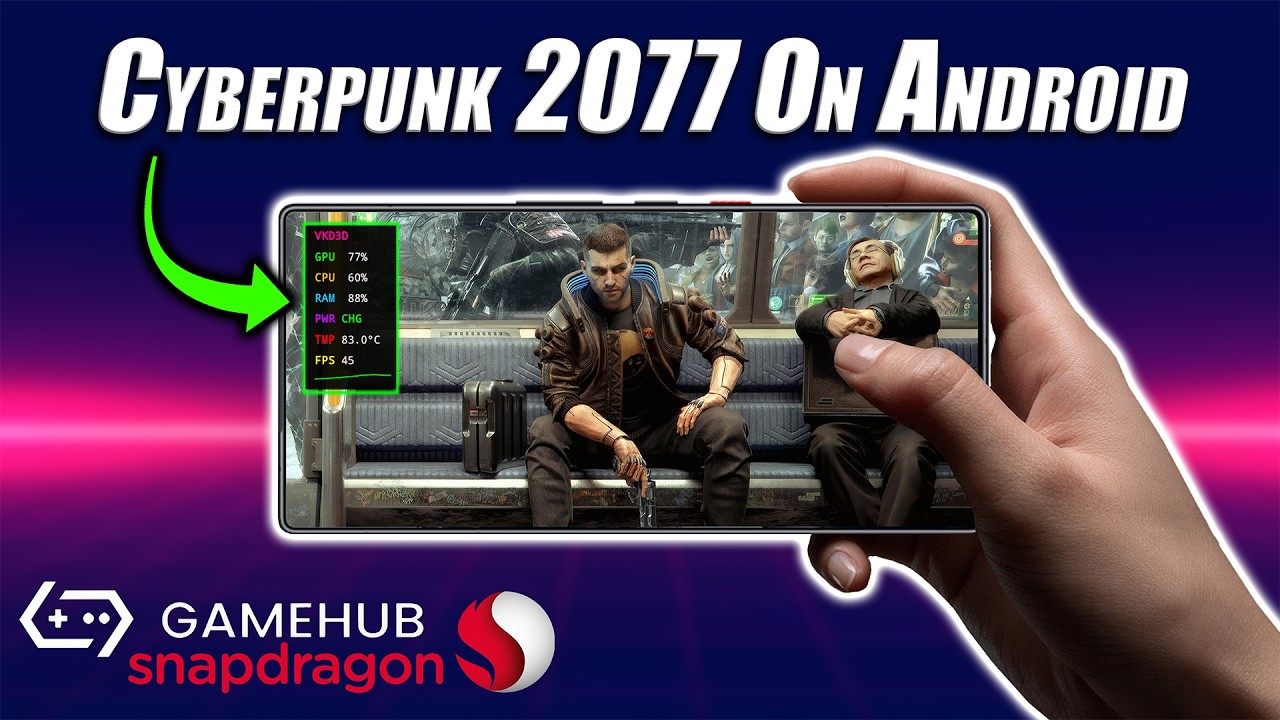
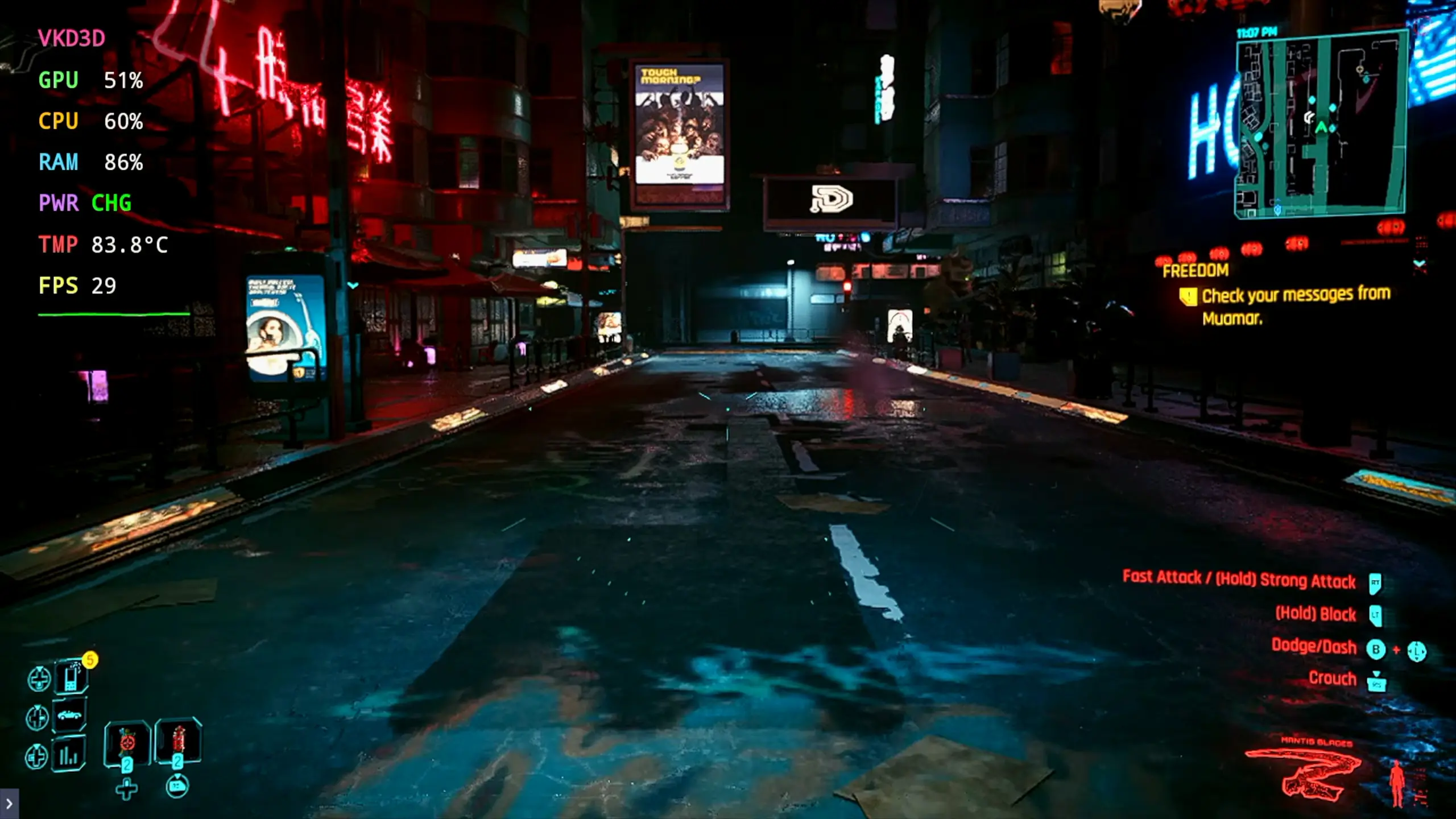
Testing on the Red Magic 11 Pro, configured with low settings at 720p resolution and FSR 2.1 set to Balanced mode, yielded frame rates hovering around 30 FPS. When FSR frame generation was enabled, performance saw a significant boost, reaching into the mid-to-high 40s, and occasionally peaking around 50 FPS. Even with a Steam Deck preset, which increases visual settings, the phone managed to maintain playable frame rates, especially with frame generation active.
Hardware Demands and Limitations
Achieving these results requires top-tier hardware, including powerful processors, ample RAM (16GB tested), and robust cooling solutions. The Red Magic 11 Pro’s integrated liquid cooling and active fan were crucial, though the device still reached temperatures as high as 100°C under sustained load. Users may also encounter minor visual artifacts like ghosting, a common trade-off with frame generation and complex emulation.
The Future of Mobile Gaming
This advancement highlights the rapid progress in smartphone processing power and emulation technology. It suggests a future where high-fidelity PC games could become increasingly accessible on mobile devices, potentially changing the landscape of portable gaming. The success of this emulation is partly attributed to contributions from entities like Valve, whose Proton compatibility layer has paved the way for similar advancements in the Android space.
Via ETA Prime