


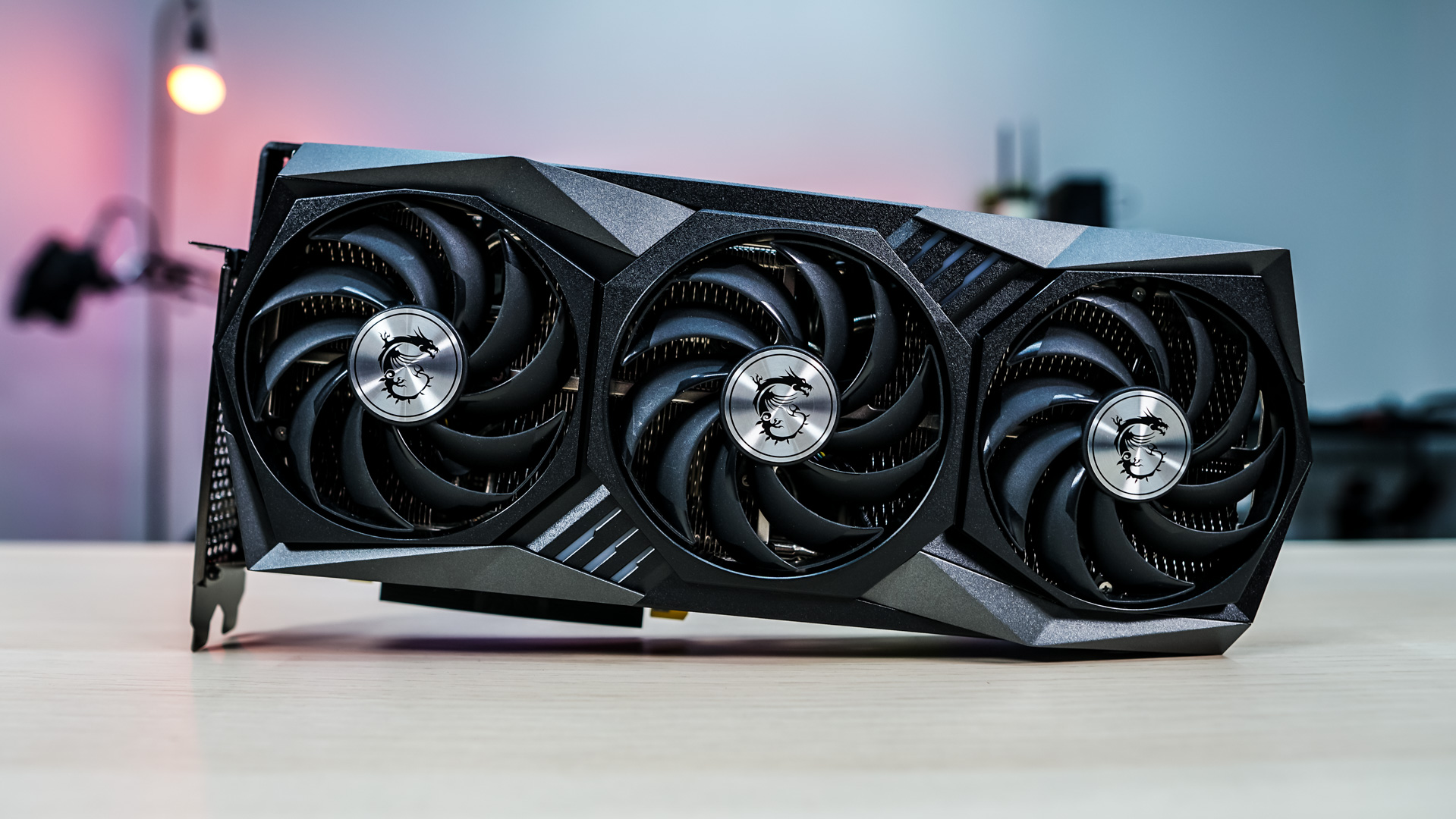
GPU makers are reportedly urging distributors in China and other Asian markets to sell older GeForce RTX 30-series cards as supplies of NVIDIA’s RTX 50-series tighten. The shift puts the RTX 3060 and RTX 3050 back in the spotlight, though these older GPUs are alternatives for availability—not performance equivalents to newer models.
Key takeaways
The reported recommendations reflect tight inventory and rising component costs, but the scale of the shortage may vary by region.
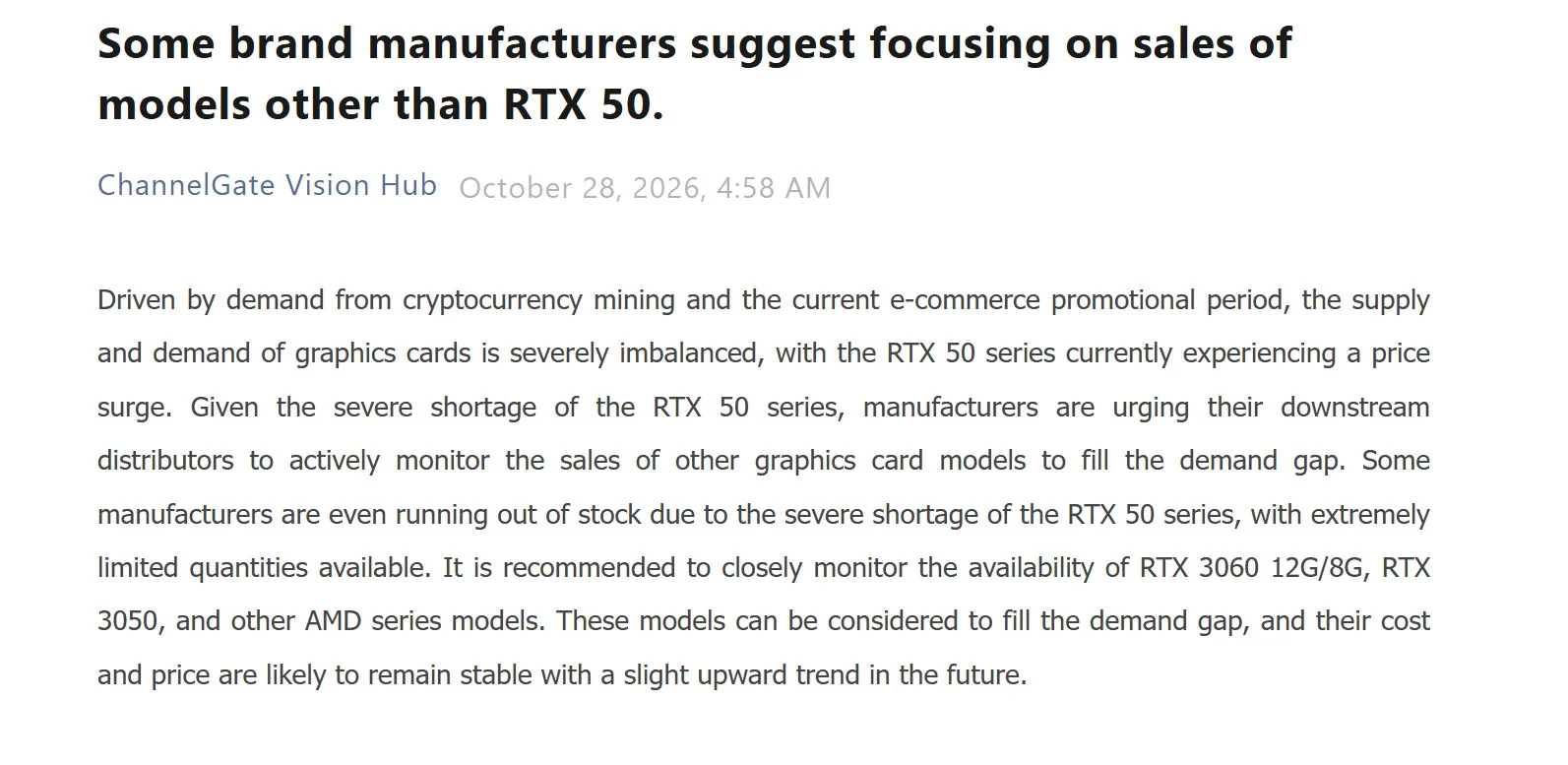
- ChannelGate reports RTX 50 stock is extremely limited for some vendors in China and Asia.
- Distributors are being steered toward RTX 3060 and RTX 3050 models, along with AMD Radeon alternatives.
- GDDR7 constraints and competing demand are among the factors cited for pressure on newer cards.
- Older GPU prices could remain stable initially, but increased demand may push them higher.
Retailers turn to older GPU inventory
The reports, citing China-focused industry outlet ChannelGate, say some graphics-card makers are advising vendors to prioritize RTX 30-series products and selected Radeon cards as RTX 50 inventory dwindles. RTX 3060 variants with 8GB or 12GB of memory and the RTX 3050 are among the suggested options. This is a regional supply report, not confirmation that RTX 50 cards are unavailable everywhere; availability and pricing can differ substantially between markets.
The RTX 3060 12GB is a notable option because NVIDIA reportedly brought the model back into production in June 2026. It uses Samsung’s 8nm process and GDDR6 memory, and its configuration includes 3,584 CUDA cores, 12GB of VRAM and a 192-bit memory bus. Those specifications may make it useful for budget-focused 1080p gaming and some 1440p workloads, but its age and capabilities should be weighed against newer cards before buying.
Memory and demand add pressure
GDDR7 supply is cited as one factor limiting RTX 50-series availability, with demand for AI-focused workstation and data-center hardware also described as competing for components and silicon. The RTX 30-series’ use of GDDR6 may offer some insulation from the specific GDDR7 squeeze, although it does not shield those cards from broader memory and component cost increases.
Other reports point to cryptocurrency-mining demand and major Chinese e-commerce promotions as additional contributors to the regional imbalance between supply and demand. These explanations come from industry reporting; NVIDIA has not confirmed the reported distributor guidance or provided a public breakdown of the causes in the material cited.
What PC builders should watch
For builders, older cards may help fill a gap if current-generation models are difficult to find, but they are not a like-for-like substitute for an RTX 50 GPU. Buyers should compare current street prices, performance, memory capacity and warranty coverage rather than assuming a returning RTX 3060 will automatically be a bargain. Reports suggest RTX 3060 and RTX 3050 prices may initially stay relatively steady, with some upward pressure possible as demand shifts to them.
The key question is whether this remains a short-term regional response or develops into broader scarcity. Until supply and pricing become clearer, shoppers should treat retailer availability as market-specific and verify local prices before choosing an older card over a newer Radeon or other alternative.
Via ChannelGate