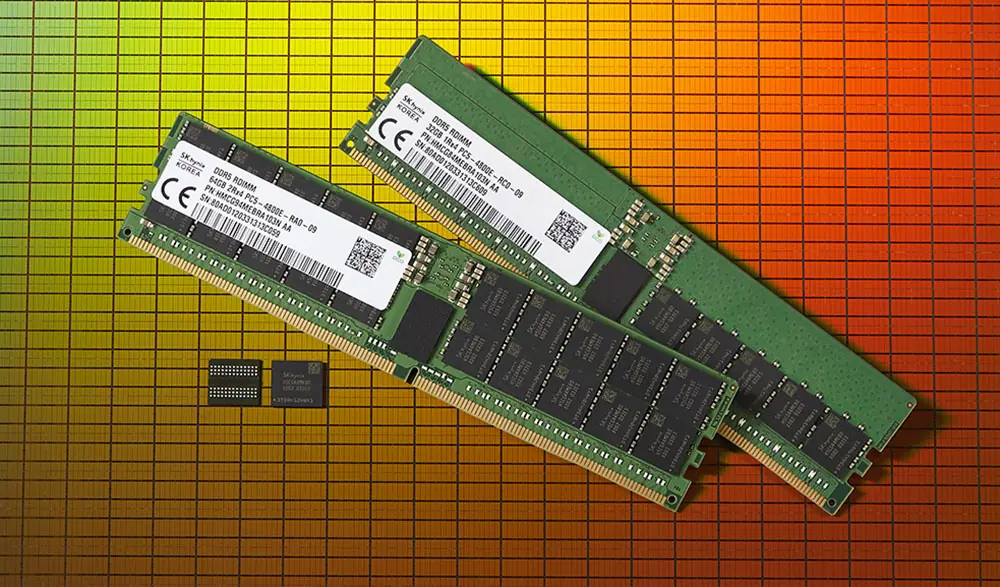
The ongoing global memory chip shortage is expected to continue until 2030, according to SK Group, one of the world’s largest semiconductor conglomerates. The surging demand for AI data processing and the intricate process of expanding wafer production are combining to keep supply well below demand, leaving both consumers and tech companies bracing for high prices and limited availability for years to come.
Key Takeaways
- The memory chip shortage, especially for DRAM, is projected to persist until 2030.
- Demand for high-bandwidth memory (HBM) driven by AI and data centers is a key factor.
- Wafer production capacity is at least 20% short of meeting current requirements worldwide.
- Major investments in memory fabrication will take 4–5 years to impact supply.
- Consumer electronics, especially PCs and smartphones, are likely to remain affected by rising memory costs and reduced availability.
AI Boom Exacerbates Memory Supply Crisis
The rapid adoption of artificial intelligence technologies has led to a spike in global demand for advanced memory, particularly HBM used in AI accelerators. SK Group’s chairman, Chey Tae-won, stated that AI workloads are absorbing the lion’s share of wafer output, diverting resources away from the production of conventional DRAM, which powers mainstream devices like PCs and smartphones.
AI’s hunger for high-speed memory means that wafer production capacity is under unprecedented stress. Chey explained that increasing output isn’t a quick fix, as it takes four to five years to build new wafer fabrication plants and bring them online.
Delays in Expansion and Strategic Focus
Experts and industry leaders agree that expanding semiconductor manufacturing is a resource- and time-intensive process. While companies such as SK Hynix, Samsung, and Micron are pouring billions into new facilities—for example, SK Hynix’s $13 billion investment in HBM packaging and Samsung’s DRAM expansion at Pyeongtaek—most of these upgrades won’t provide relief until late in the decade.
Notably, SK Group is concentrating much of its investment in South Korea, leveraging its established infrastructure for efficiency, rather than expanding abroad. This focus is intended to accelerate response times to market shifts, though it may limit diversification of capacity globally.
Rising Prices and Market Consequences
The ongoing wafer capacity shortfall—over 20% below current industry demand—has already triggered significant price hikes for both DRAM and SSD components. Market analysts anticipate memory prices to more than double by late 2026, impacting everything from budget gaming laptops to smartphones.
Manufacturers are prioritizing the higher-margin AI segment over traditional consumer markets, raising concerns about a prolonged squeeze on available, affordable memory for end users. Industry observers warn that extended device replacement cycles and reduced shipments will hit lower-income markets the hardest.
Industry and Consumer Outlook
SK Group and other memory manufacturers have pledged to unveil measures to help stabilize DRAM prices, with further details awaited from company leadership. However, with new wafer capacity still years away, the market is bracing for volatility in pricing and persistent supply hurdles.
In summary, unless transformative investments or alternative supply sources emerge, the ripple effects of AI-driven demand are set to reshape global memory markets through the end of the decade.
Via The Korea Times