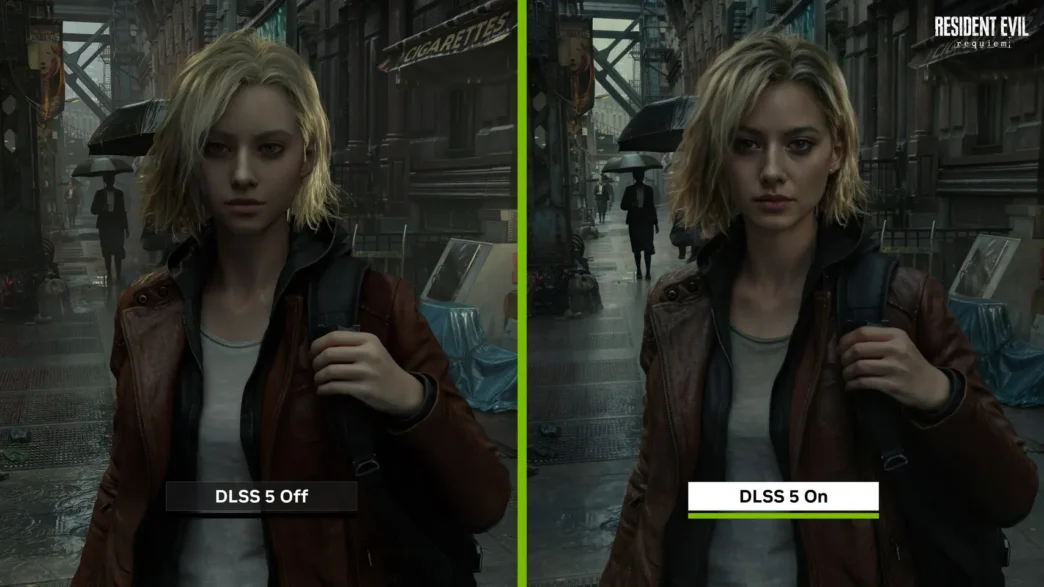
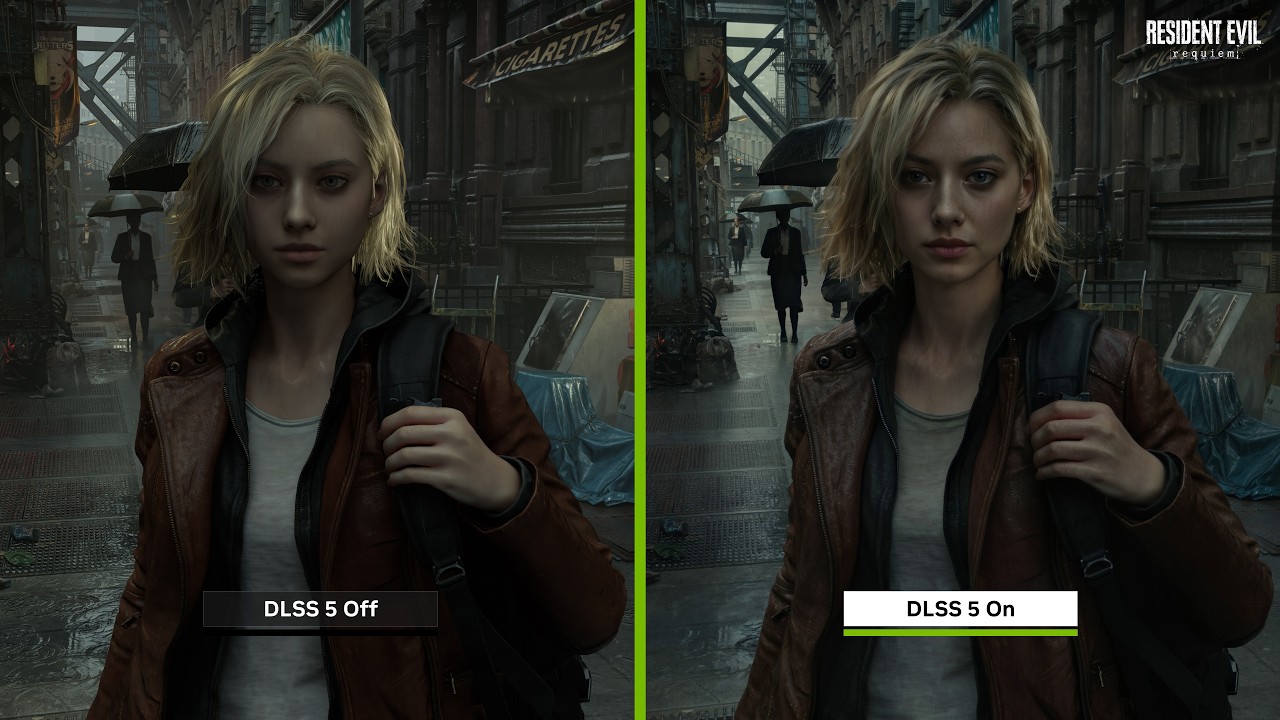
NVIDIA’s latest iteration of its Deep Learning Super Sampling technology, DLSS 5, has ignited a significant community backlash. An official announcement video on YouTube has garnered an overwhelming 83.7% dislike ratio, with only 16.3% likes, signaling widespread dissatisfaction among gamers and developers alike.
Key Takeaways
- NVIDIA’s DLSS 5 announcement video on YouTube has a staggering 84% dislike rate.
- Other NVIDIA demo videos also show significantly low approval ratings.
- Developers from major studios reportedly expressed surprise at their involvement in DLSS 5 marketing.
- Concerns are raised about AI’s role in game development and potential artistic compromises.
Widespread Community Disapproval
The YouTube video for DLSS 5 currently shows over 82,515 dislikes against 16,107 likes, accumulating over 1.5 million views. This sentiment extends to other recent NVIDIA GeForce YouTube content, with videos showcasing Resident Evil Requiem, Starfield, Hogwarts Legacy, and EA Sports FC all receiving poor like-to-dislike ratios, generally below 20% positive ratings. Even a tech demo for Zorah Unreal achieved a mere 37% positive rating.
Developer Concerns and NVIDIA’s Stance
Despite NVIDIA CEO Jensen Huang’s assertion that gamers are “completely wrong” and that DLSS 5 offers programmability to maintain artistic intent, insider reports suggest otherwise. Game developers from Capcom and Ubisoft, who were involved in the marketing, reportedly shared the community’s surprise at the technology’s implementation and their studio’s association with it. One Ubisoft developer stated they “found out at the same time as the public,” while Capcom developers expressed concern about how DLSS 5 might influence their approach to generative AI in game development.
Future Rollout and User Control
NVIDIA plans to roll out DLSS 5 later this year, emphasizing that users will have the flexibility to disable the technology entirely or set it to maximum for enhanced visual fidelity. The company positions DLSS 5 as a supplement, not a dependency, meaning no core game processes will rely solely on it. However, the current community reaction suggests a challenging reception for the new technology.
Via VGC