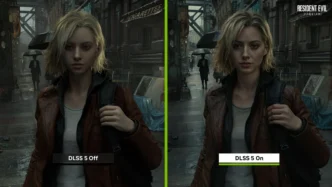
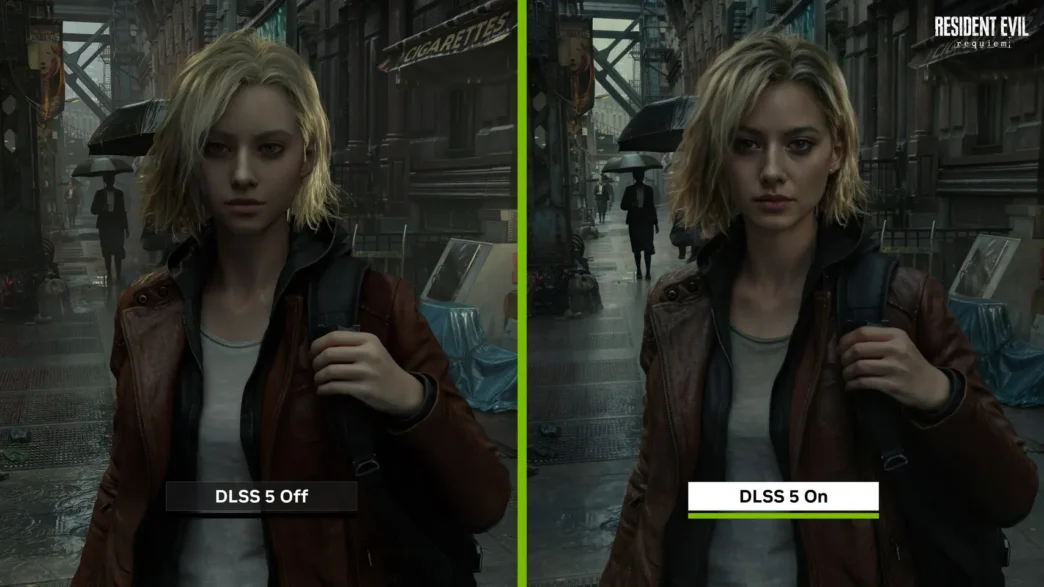
NVIDIA has unveiled DLSS 5, the latest chapter in its AI-powered graphics technology, during the GTC 2026 keynote. Promising a leap toward photorealistic visuals in games, the announcement has ignited excitement and controversy alike, as industry observers and gamers debate its impact on artistic intent and the future of PC graphics.
Key Takeaways
- DLSS 5 uses advanced AI neural rendering for real-time, photorealistic game visuals.
- The technology can dramatically enhance lighting, textures, and materials up to 4K resolution.
- Early reactions are split, with debates over artistic control and the potential for a generic or “uncanny valley” look.
- NVIDIA assures developers will retain fine-grained controls over DLSS 5’s visual influence.
- Launch is planned for fall 2026, initially supporting a select number of major titles.
What Is DLSS 5?
NVIDIA’s Deep Learning Super Sampling (DLSS) has evolved over several iterations, each time boosting game performance and visuals by leveraging artificial intelligence. DLSS 5 takes things a step further, introducing a real-time neural rendering model that can add photorealistic lighting, skin textures, and material effects to each frame ingested from a game.
Unlike previous versions that focused on upscaling and frame generation, DLSS 5 actively reconstructs how a scene should look, enhancing both fine detail and broader lighting effects. NVIDIA’s demo included high-profile games like Resident Evil: Requiem, Starfield, and Hogwarts Legacy.
How Does It Work?
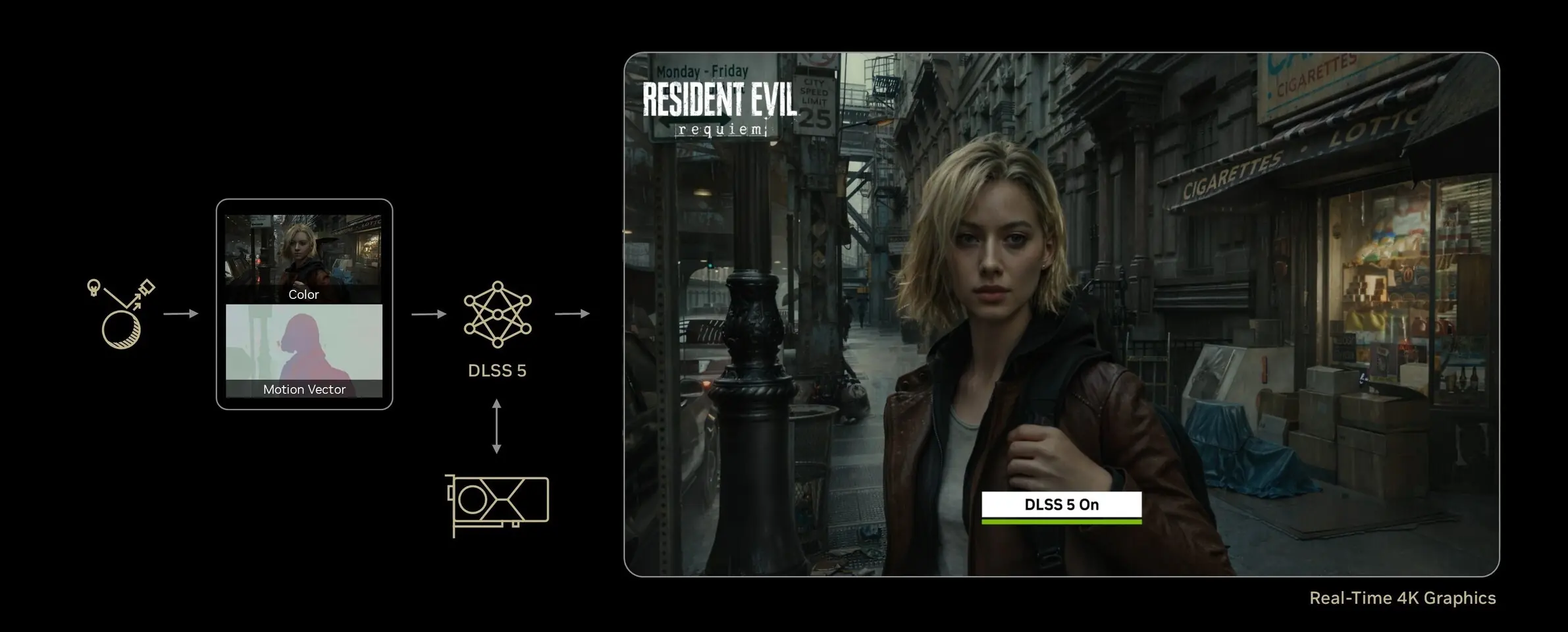
DLSS 5 processes a game’s color and motion vectors for every frame, applying a generative AI model trained to interpret objects, characters, and environmental light. This sophisticated approach lets the system infuse more natural light, shadow, and surface details, striving for realism while attempting to respect the original 3D content and artistic vision.
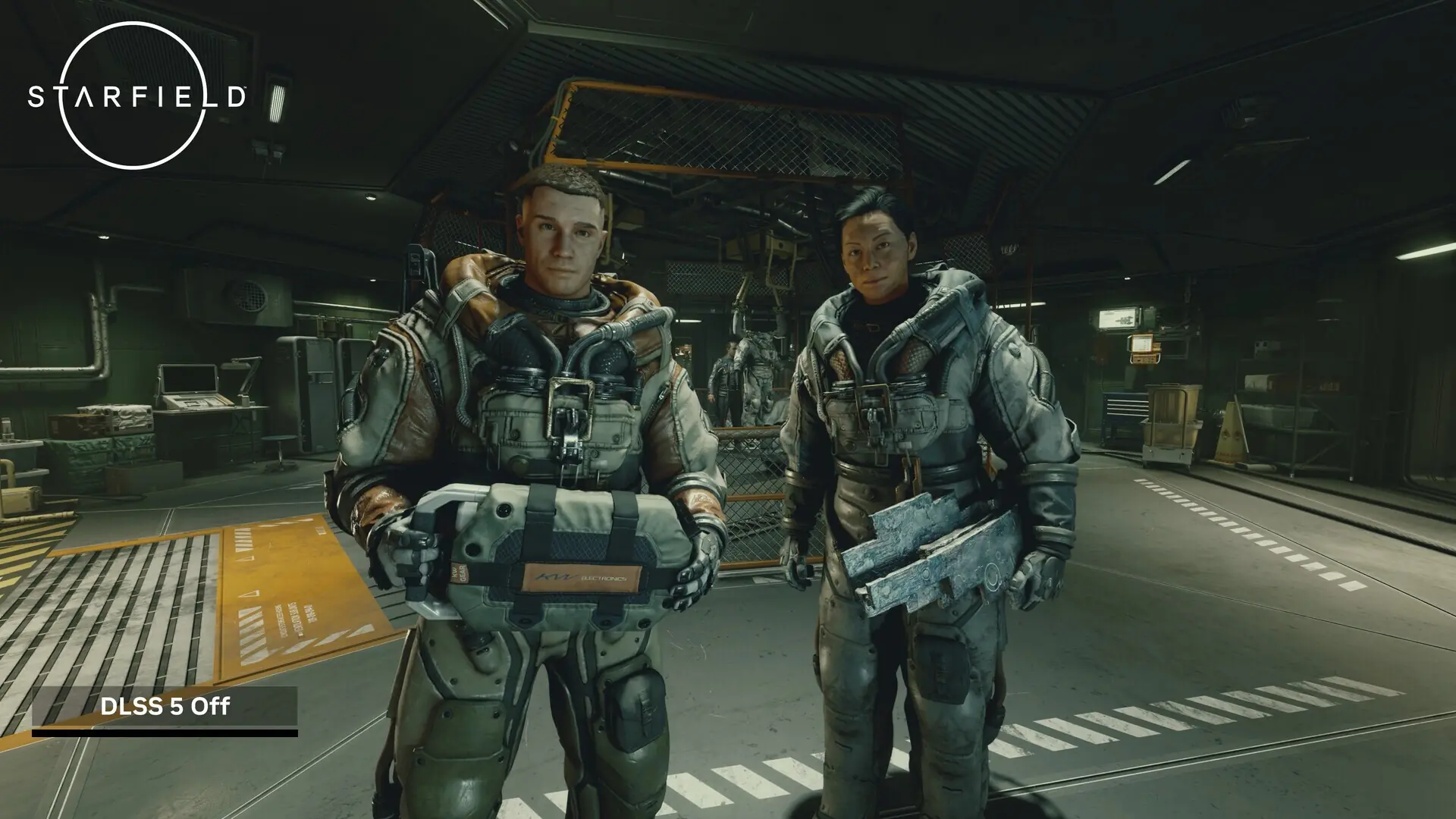
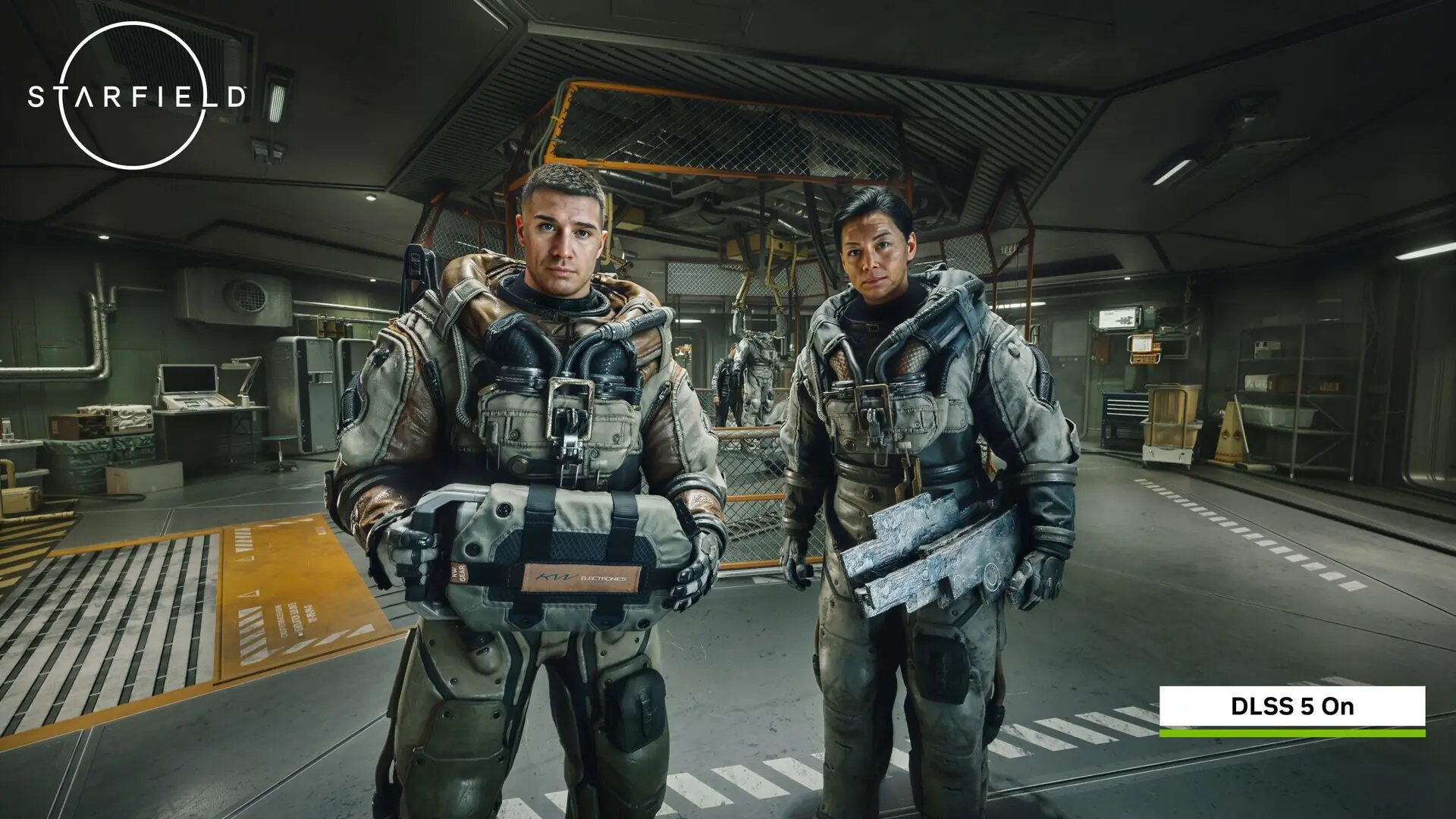
NVIDIA claims that developers will have the ability to tune the model, adjusting factors like effect strength, color grading, and which elements are influenced by the neural renderer. This could help studios maintain a game’s unique aesthetic.
Early Reactions: Praise and Pushback
The gaming community’s response has been deeply divided. While some praise the technology’s capacity to produce lifelike environments, others are alarmed by changes to characters’ appearances and what some describe as a “Yassified” or generic look that clashes with original designs. Initial side-by-side screenshots and videos showed protagonist facial features being altered in ways critics argue diminish the identity and intent set by artists.
- Supporters see DLSS 5 as a natural progression for graphics fidelity, offering developers powerful tools and players the choice to toggle visual enhancements.
- Skeptics worry about the impact on consistency and creative integrity, while some liken the tech to applying a pervasive AI filter over art crafted by humans.


Industry Implications
DLSS 5 has the potential to set a new standard for game visuals, especially with its emphasis on running at high resolutions in real time. However, its highest settings may require top-end hardware, such as dual RTX 5090 GPUs showcased in demonstrations. As the technology matures—alongside ongoing debates over generative AI in creative fields—its adoption will likely hinge on how well it integrates with various artistic visions and game engine pipelines.
What Comes Next?
With a planned release this fall and announced support for major titles including The Elder Scrolls VI: Oblivion remake and Assassin’s Creed Shadows, the gaming world is watching closely. Key questions remain about DLSS 5’s accessibility, its true impact on in-game art direction, and how much control developers—and players—will ultimately have over the look and feel of their favorite games.