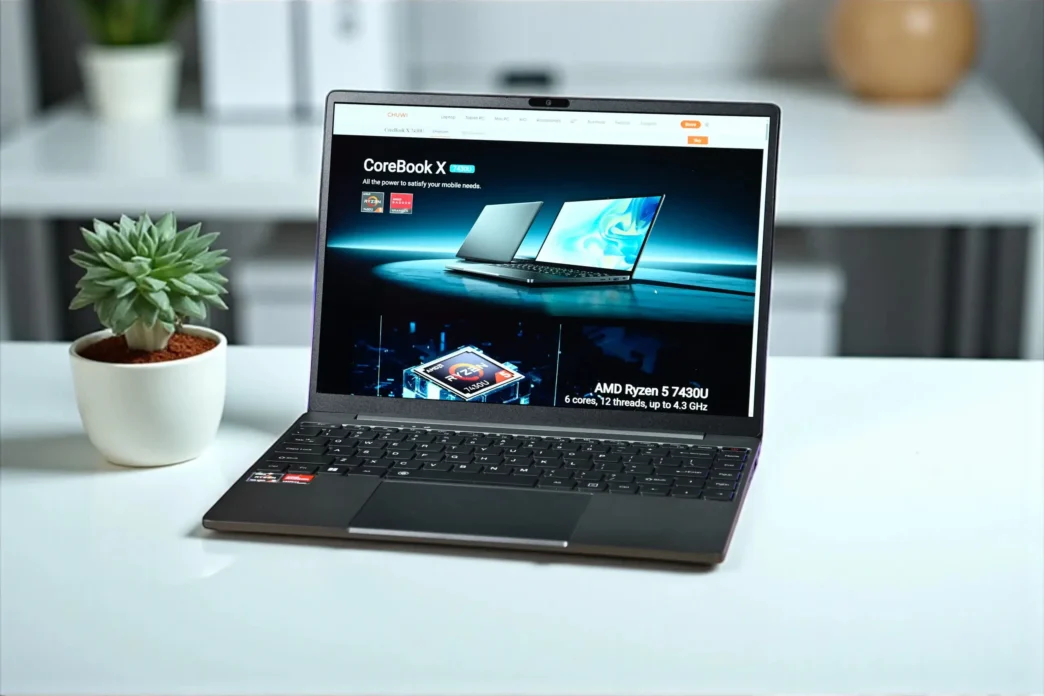
AMD has officially responded to the controversy surrounding Chinese laptop manufacturer Chuwi, which was found to be mislabeling AMD Ryzen processors in its devices. Chuwi was selling laptops advertised with Ryzen 7000 series processors but was actually equipping them with older Ryzen 5000 series chips, even modifying the BIOS to reflect the false information. AMD has stated that this practice was unauthorized and has condemned the actions, emphasizing its commitment to product authenticity and consumer trust.
Key Takeaways
- Chuwi mislabeled Ryzen 5 5500U processors as Ryzen 5 7430U.
- The company modified BIOS and marketing materials to deceive consumers.
- AMD has issued a strong statement condemning Chuwi’s actions.
- AMD reserves the right to pursue legal action against Chuwi.
The Scandal Unfolds
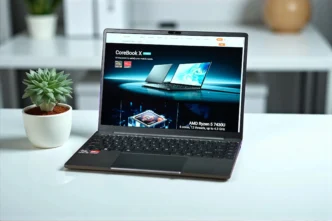
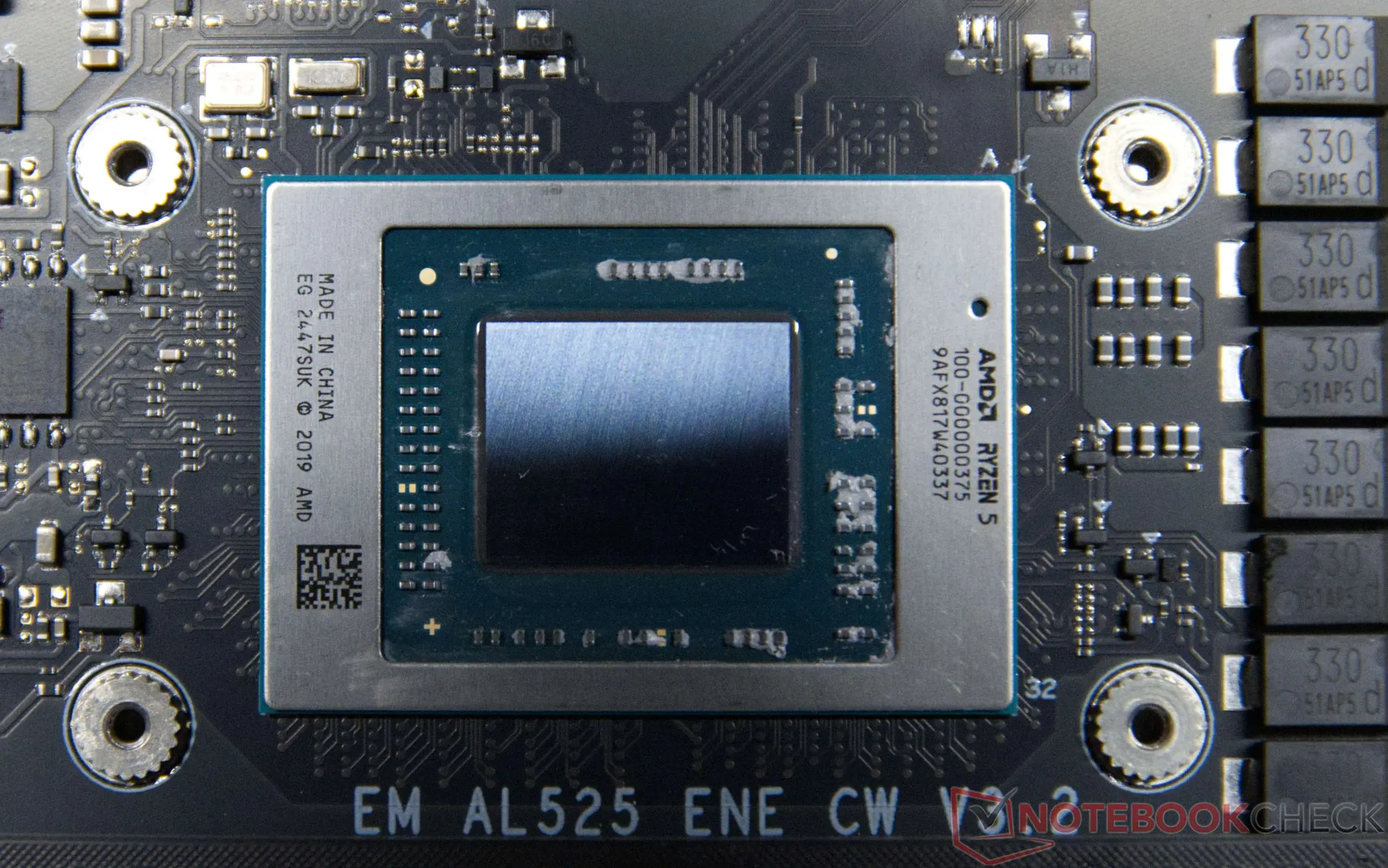
Reports emerged detailing how Chuwi was selling laptops, including models like the CoreBook X and CoreBook Plus, with AMD Ryzen 5 7430U processors advertised. However, investigations revealed that these devices were equipped with the older and less powerful AMD Ryzen 5 5500U. This deception extended beyond marketing, with Chuwi reportedly altering the system’s BIOS to display the incorrect processor name, making it appear as the advertised Ryzen 5 7430U even in system diagnostic tools.
AMD’s Official Stance
In a statement released in China, AMD unequivocally stated that Chuwi’s actions were unauthorized and that AMD had no involvement or knowledge of the mislabeling. The company highlighted its strict agreements with OEMs regarding brand and product promotion. AMD condemned the malpractice, asserting that such acts damage consumer confidence and disrupt the market. The company concluded by stating its reservation of the right to pursue legal action against the parties involved.
Here is AMD’s full response…
“Recently, we have noticed that CHUWI has mislabeled the AMD Ryzen 5 5500U product as the Ryzen 5 7430U without authorization. AMD has never granted, confirmed, or acquiesced to this behavior in any way, nor did it participate in the labeling or promotional decisions for the relevant products, and is completely unaware of this matter.
AMD has clear and strict management regulations regarding the naming, use, and labeling of product models. Any unauthorized use of model names or false labeling will seriously disrupt the normal market order and may mislead consumers.
We have always attached great importance to the authenticity and transparency of product information, and are determined to safeguard a fair and orderly market environment and the legitimate rights and interests of users. Our company has taken this matter very seriously and reserves the right to pursue legal action against the relevant parties.”
Technical Discrepancies
The Ryzen 5 5500U is based on the Zen 2 architecture, while the advertised Ryzen 5 7430U uses the newer Zen 3 architecture. Key differences include lower clock speeds and half the L3 cache on the 5500U compared to the 7430U. These discrepancies, while potentially subtle to casual users, represent a significant performance gap and a clear misrepresentation of the product’s capabilities. The deliberate modification of the BIOS to mask these differences points to a calculated effort to deceive consumers.
Implications and Future Actions
This incident raises serious concerns about product authenticity and ethical business practices within the consumer electronics market. AMD’s firm response signals its commitment to protecting its brand reputation and ensuring fair competition. Consumers who have purchased affected Chuwi devices are advised to seek recourse from the manufacturer. The situation underscores the importance of thorough research and verification before purchasing electronics, especially from brands with a history of questionable practices.
Via HKEPC