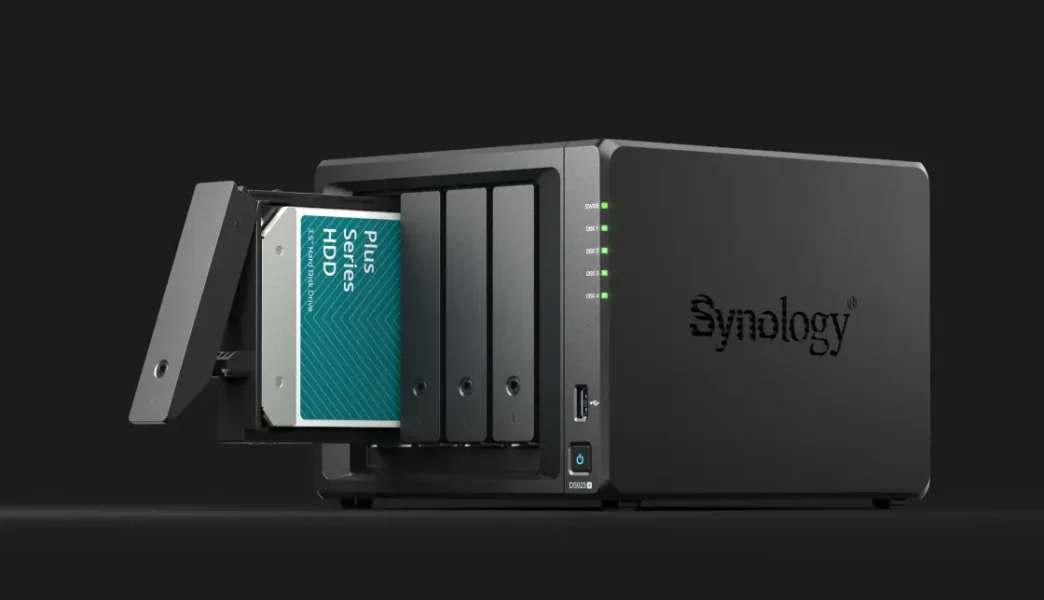
Synology, a well-known provider of network-attached storage (NAS) devices, has reversed its controversial decision to ban third-party hard drives in its upcoming 2025 NAS models after facing significant backlash from its user community. The company will now restore wider hardware compatibility with the release of DiskStation Manager (DSM) 7.3 software, though not all limitations are gone.
Key Takeaways
- Synology will allow third-party HDDs in its 2025 consumer NAS models following user backlash
- Users must update to DSM 7.3 to benefit from renewed compatibility
- Synology-branded M.2 SSDs remain a requirement for certain features
- Restrictions still apply to enterprise and rackmount models
Background: Customer Backlash and Sales Slump
Earlier this year, Synology announced that certain 2025 “Plus” series NAS devices would support only Synology-branded hard drives for critical functions like storage pool creation. This move, seen by many as a means to force higher-priced options on consumers, immediately drew criticism across forums, tech reviewers, and longtime customers. The resulting outrage led many to reconsider upgrades or even switch brands, contributing to a noticeable slump in NAS sales.
What Changes With DSM 7.3?
With the launch of DSM 7.3, Synology is reopening support for third-party drives—in particular, those from big names like Seagate and Western Digital—in its DiskStation Plus, Value, and J Series for 2025. Users can again install, build storage pools, and manage RAID arrays using these non-Synology disks, effectively restoring much of the out-of-the-box flexibility that had made Synology popular.
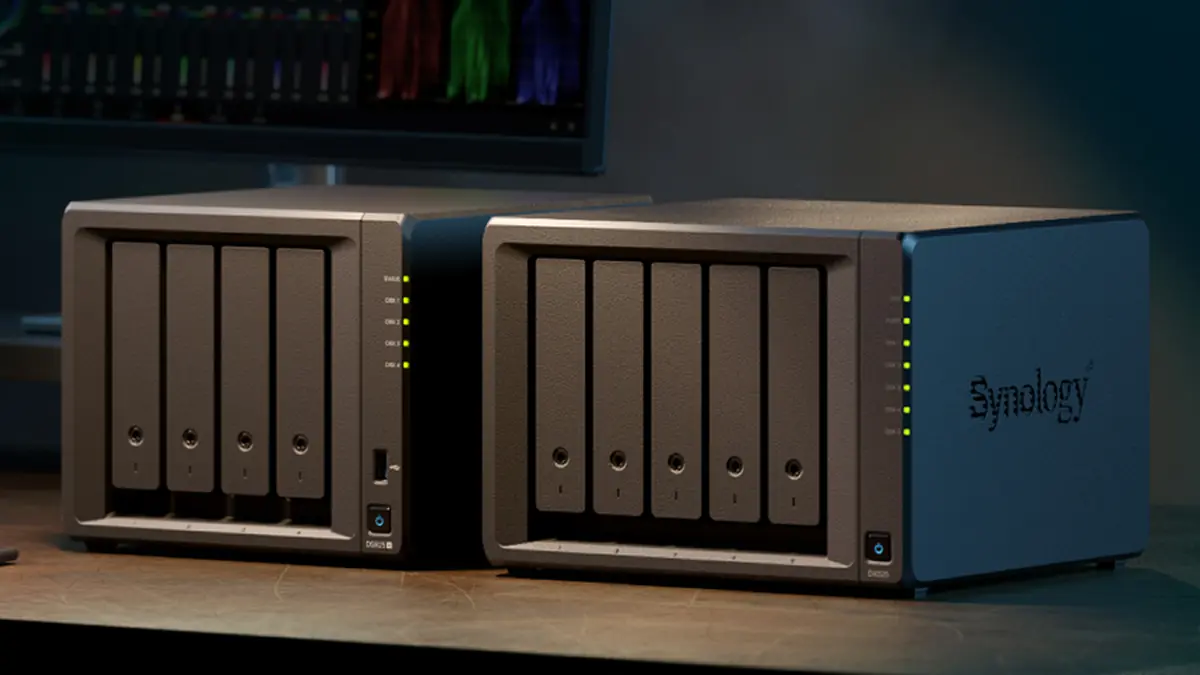
However, some restrictions linger. M.2 NVMe SSDs still require official validation to operate as a cache or as part of storage pools, locking users into Synology-branded or certified drives for these key performance features. Furthermore, rackmount and enterprise systems remain limited to approved drives.
Implications for Synology and Its Users
For many in the NAS community, Synology’s partial reversal is a welcome step, promising increased freedom of hardware choice and more cost-effective storage upgrades. However, the lack of a lasting commitment to open compatibility and continued restrictions in specific product areas have left some users cautious about the company’s future direction.
Industry observers also see this episode as a wakeup call for NAS makers about the importance of customer trust and product flexibility, especially amid rising competition from alternative brands and custom solutions.
What Should Consumers Do Next?
- Update your compatible Synology NAS with DSM 7.3 to unlock support for third-party drives
- Check Synology’s hardware compatibility lists for M.2 SSDs
- Evaluate other consumer NAS brands or even custom-built options if broad drive compatibility is critical
While Synology has started to address recent concerns, it remains to be seen whether this renewed openness marks a sustained policy or a one-time exception. The competitive landscape for NAS devices is only growing, making future hardware choices more critical than ever for both vendors and users.
Via ZDNet