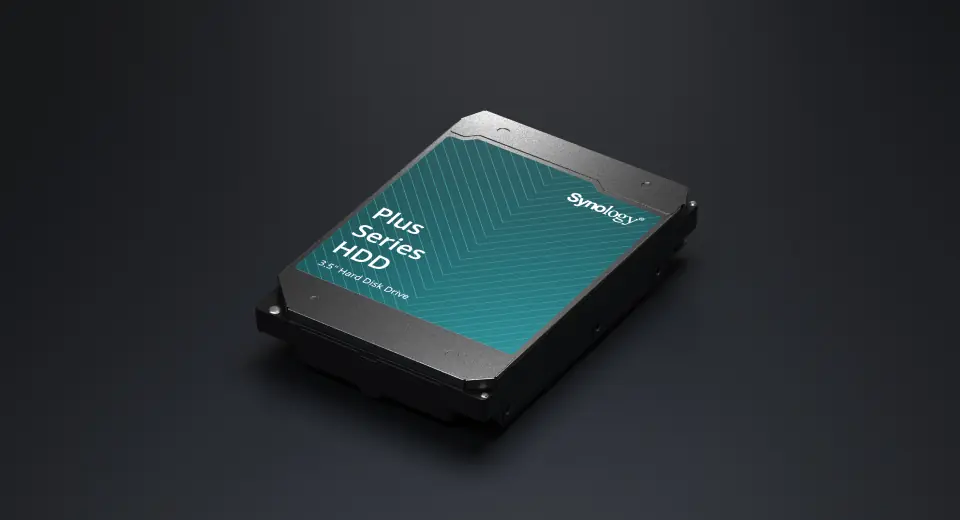
Data storage giant Synology has announced a significant policy change regarding its upcoming network-attached storage (NAS) devices. Starting in 2025, new models will only support Synology-branded hard drives or those certified by the company, limiting the use of third-party drives and raising concerns among users about compatibility and cost.
Key Takeaways
- Synology will restrict its 2025 NAS models to only accept Synology-branded or certified hard drives.
- Users of third-party drives will lose access to advanced features like health monitoring and firmware updates.
- The decision has sparked backlash from the tech community, with concerns over vendor lock-in and reduced flexibility.
Overview of the Policy Change
Synology’s new policy will apply to its Plus series NAS devices, which are popular among home users and small businesses. The company claims that this move is aimed at enhancing system reliability and performance by ensuring that only thoroughly tested drives are used with their systems. However, this has raised eyebrows among users who value the flexibility of using various hard drives.
Implications for Users
- Limited Drive Options: Users will be restricted to Synology’s own hard drives, which may not offer the same capacity as some third-party options. For instance, while Synology’s drives go up to 16TB, competitors like Western Digital offer drives up to 26TB.
- Loss of Features: Third-party drives will not support critical features such as:
- Increased Costs: Synology’s branded drives are often more expensive than third-party alternatives, leading to higher overall costs for users.
- Potential for Delays: Users may face longer shipping times for Synology drives, complicating the replacement of failed drives in RAID configurations.
Community Reaction
The announcement has sparked significant backlash from the tech community. Many users have expressed frustration over the perceived move towards vendor lock-in, which limits their ability to choose compatible hardware. Critics argue that this decision prioritizes Synology’s profits over user flexibility and choice.
- User Concerns: Many users have taken to forums and social media to voice their dissatisfaction, with some considering switching to competitors like QNAP or TrueNAS.
- Expert Opinions: Tech reviewers have also criticized the decision, suggesting that it could harm Synology’s reputation among its loyal customer base.
Conclusion
As Synology prepares to implement these changes, the company faces a delicate balancing act between ensuring system reliability and maintaining customer satisfaction. While the intention behind the policy may be to enhance performance, the backlash indicates that many users value flexibility and choice in their storage solutions. The upcoming models will likely be a pivotal point for Synology as it navigates the evolving landscape of data storage technology.
Via Arstechnica