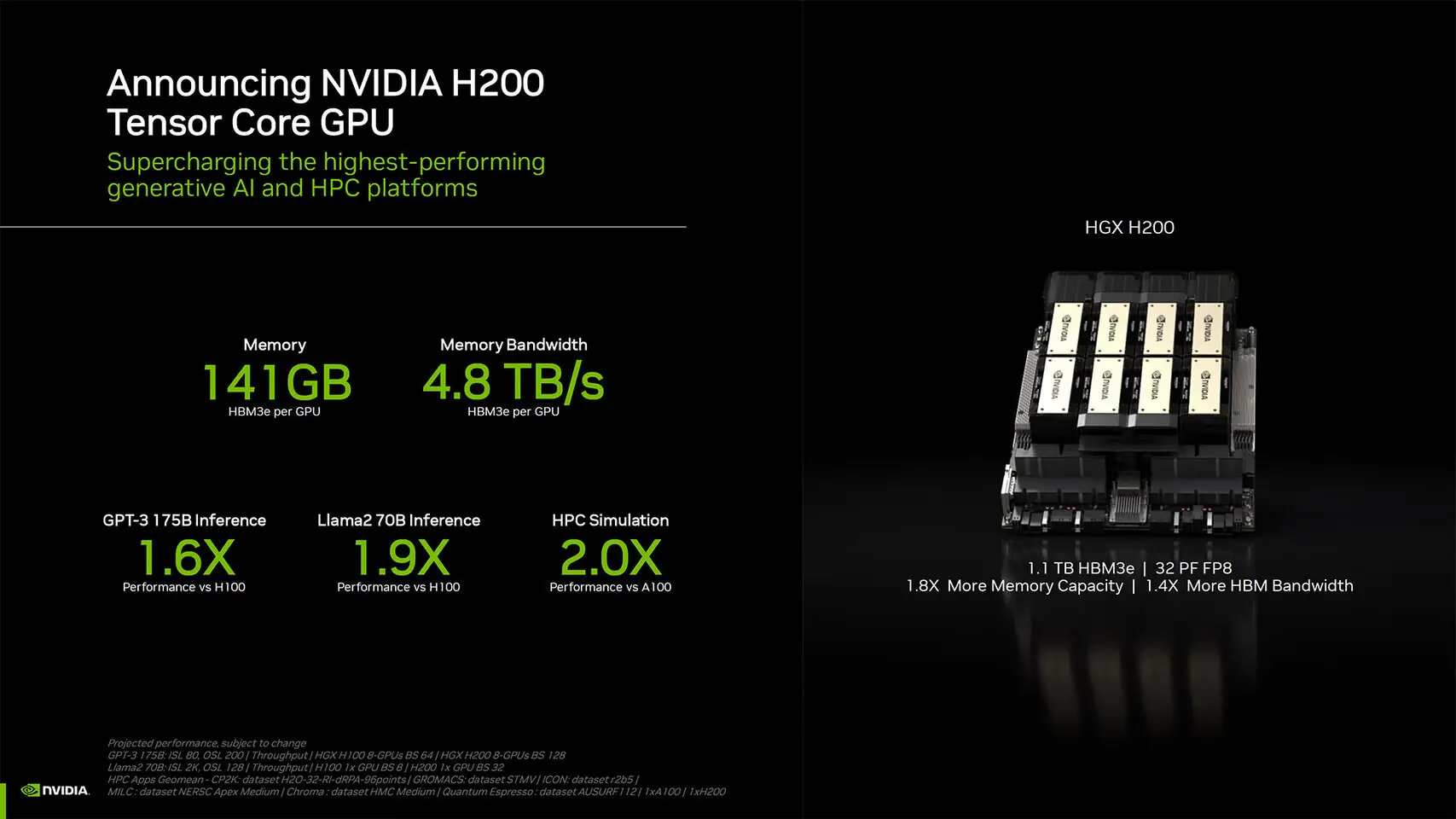
President Donald Trump has approved the export of Nvidia’s advanced H200 artificial intelligence chips to China, a move accompanied by a 25% surcharge. This decision aims to balance U.S. technological dominance with market access, potentially allowing Nvidia to recoup significant lost business. However, reports suggest China may implement its own restrictions on access to these powerful chips, creating a complex regulatory landscape.
Key Takeaways
- Nvidia granted U.S. permission to export H200 AI chips to “approved customers” in China.
- A 25% surcharge will be applied to these exports.
- China may impose its own limitations on H200 chip access, potentially excluding the public sector.
- Other U.S. chipmakers like Intel and AMD are also eligible under the new policy.
A Strategic Balancing Act
The decision marks a significant shift in U.S. export policy regarding advanced AI technology to China. Proponents argue it prevents China from fully developing its AI capabilities independently, while critics express concerns about national security implications. The move comes after previous U.S. restrictions, which some within the administration believe have been circumvented by Chinese companies developing their own advanced AI models and hardware.
Market Implications and Potential Hurdles
For Nvidia, this approval could unlock billions in potential revenue from a crucial market. However, the company’s success in China may now hinge on Beijing’s regulatory decisions. Reports indicate that Chinese regulators are considering measures to limit H200 access, requiring buyers to justify why domestic chips are insufficient and potentially barring government entities from purchasing them. This creates a dual gatekeeping scenario, with both Washington and Beijing influencing market access.
Broader Industry Impact
Beyond Nvidia, companies like Intel and AMD are also expected to benefit from this policy shift, being eligible for similar export arrangements. The announcement also coincides with increased scrutiny on chip smuggling, with the Justice Department announcing “Operation Gatekeeper” to combat illicit channels for U.S. technology into China. Meanwhile, legislative efforts like the “SAFE CHIPS Act” aim to prevent such exports for a period, highlighting ongoing debate within the U.S. about the best approach to managing advanced technology exports.
Via Semafor