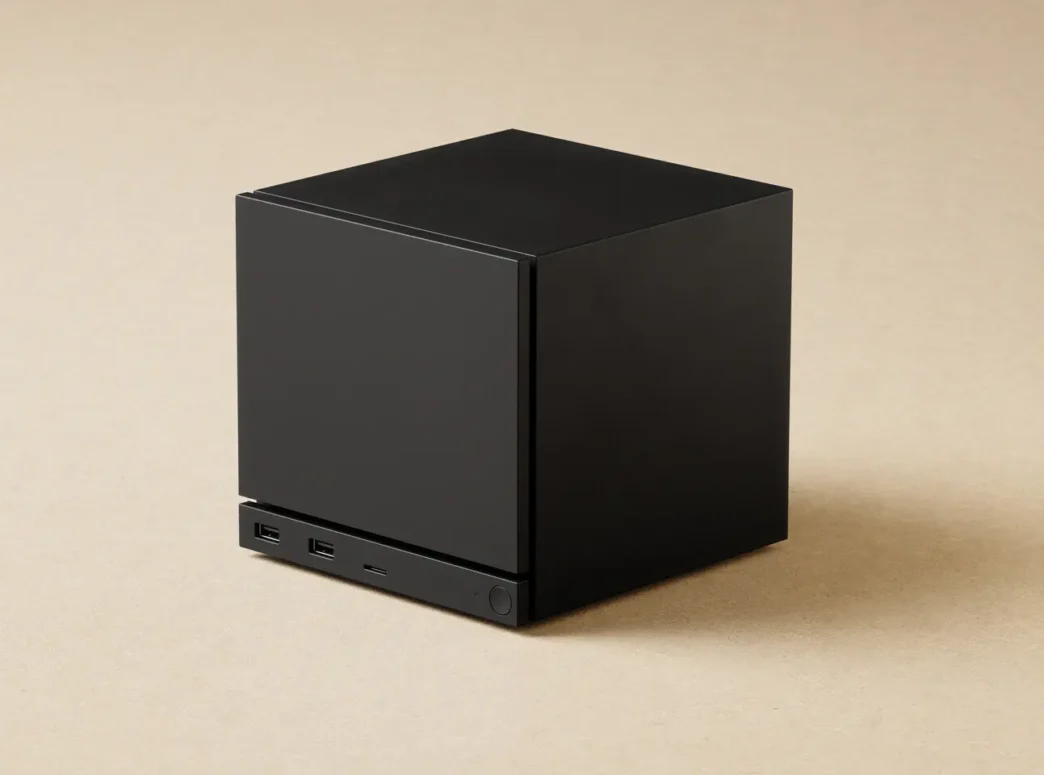
November 2025 marked a grim milestone for the U.S. video game industry, as hardware sales nosedived to their lowest point since 1995. This dramatic decline, with only 1.6 million units sold, coincides with a significant surge in average hardware prices, painting a stark picture of consumer spending challenges.
Key Takeaways
- Historic Lows: U.S. gaming hardware unit sales in November 2025 hit 1.6 million, the lowest figure recorded since November 1995.
- Price Surge: The average price per unit for gaming hardware reached an all-time high of $439, a substantial increase from previous years.
- Console Performance: The PlayStation 5 led unit sales, followed by the Nintendo Switch 2 and the NEX Playground, while Xbox Series X|S saw a significant year-on-year decline.
- Software and Accessories: Physical game sales also experienced a notable drop, while subscription spending saw an increase.
A Market in Decline
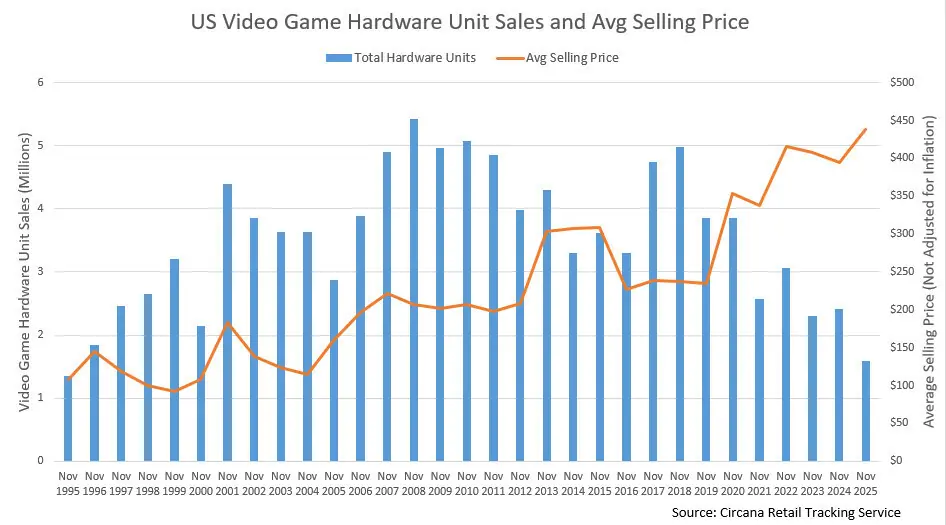
Data from Circana reveals that November 2025 saw only 1.6 million units of video game hardware sold in the U.S. This figure is a stark contrast to previous years, notably down from 3.39 million units in November 2019 and matching the low of 1.4 million units sold in November 1995. This represents the worst November for hardware sales in 30 years.
Record High Prices
Compounding the low sales volume is the unprecedented rise in hardware costs. The average price per unit for gaming hardware in November 2025 reached a record high of $439. This is a significant jump from $235 in November 2019 and an 11% increase compared to the previous year. This price inflation is a major factor contributing to consumers’ reduced purchasing power.
Console Sales Performance
Despite the overall downturn, the PlayStation 5 emerged as the best-selling console in November 2025 for both units and dollar sales, marking its first time in the top spot since the launch of the Nintendo Switch 2. The Nintendo Switch 2 secured the second position, with the NEX Playground following in third for unit sales. The Xbox Series X|S experienced a severe year-on-year decline, with sales reportedly down by 70%.
Broader Market Trends
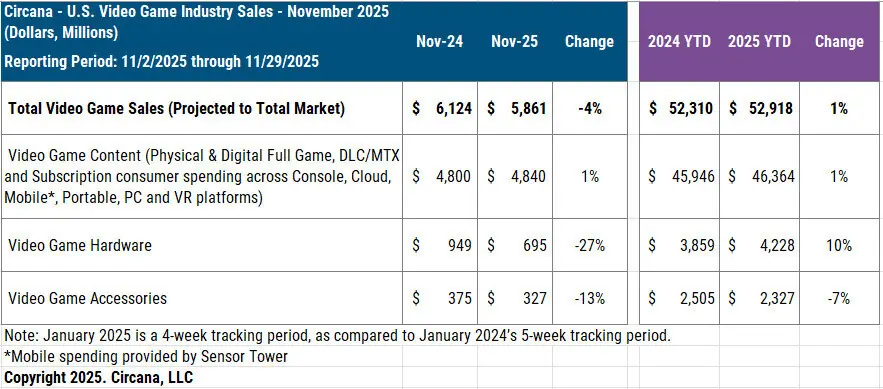
Beyond hardware, the decline extended to physical software sales, which fell by 14% year-on-year, reaching an all-time low for a November month since 1995. However, overall U.S. spending on gaming content saw a marginal 1% increase, largely buoyed by a 16% rise in subscription spending and a 2% improvement in mobile gaming revenue. Accessory sales, however, decreased by 13%.
Consumer Sentiment and Future Outlook
Industry analysts suggest that the combination of high prices, economic pressures, and a perceived lack of compelling new titles for current-generation consoles are driving consumers away from hardware purchases. The significant price increase, partly attributed to trade policies and market dynamics, has made upgrading or purchasing new consoles a less attractive proposition for many.