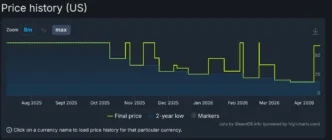

Valve is reportedly set to enhance the Steam storefront with a new feature that will display a 30-day price history for games. This move aims to provide users with greater transparency regarding game pricing and discounts, allowing them to make more informed purchasing decisions. The feature is expected to integrate directly into the Steam client, reducing the reliance on third-party tools.
Key Takeaways
- Valve is planning to implement a 30-day price history tracker for games on Steam.
- This feature aims to increase transparency and combat potentially misleading discount claims.
- The functionality is already a legal requirement in some EU countries.
- Critics suggest a 30-day window may be insufficient compared to existing third-party tools.
Enhanced Consumer Transparency
Previously, Steam users often had to turn to external websites like SteamDB to track the historical pricing of games. This new feature, if implemented globally, would bring this functionality directly into the Steam client. It would allow players to see if a current sale price is genuinely a good deal or if the game’s price has been artificially inflated before a discount. This move is seen as a significant step towards greater transparency in digital game sales.
Origins and Global Rollout
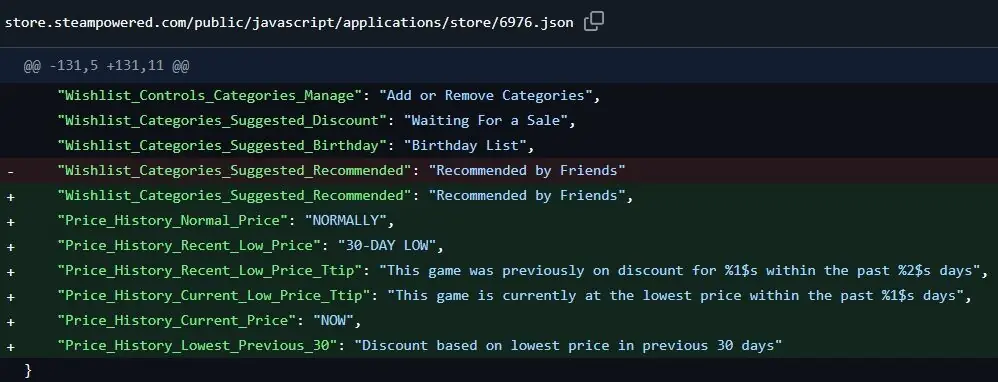
The 30-day price history requirement has been in place in some European Union countries since 2023, mandated by the EU Omnibus Directive to protect consumers from deceptive pricing practices. The recent backend code changes suggest Valve is preparing to extend this feature to a wider, potentially global, audience. This would standardize the information available to all Steam users, regardless of their region.
Potential Limitations and User Feedback
While the addition of a 30-day price history is a welcome improvement, some users and critics argue that a 30-day window might not be comprehensive enough. Third-party tools often provide an all-time low price history, offering a more complete picture of a game’s value over its entire lifespan on the platform. There is hope that Valve might expand the feature to include longer historical data or more detailed filters in the future. Other potential upcoming features include an AI-powered customer support system (SteamGPT) and a “Frame Estimator” to predict game performance.
Via LambdaGen on X