


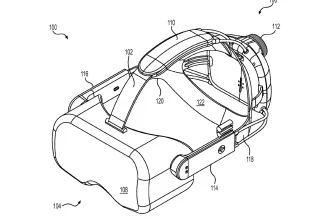
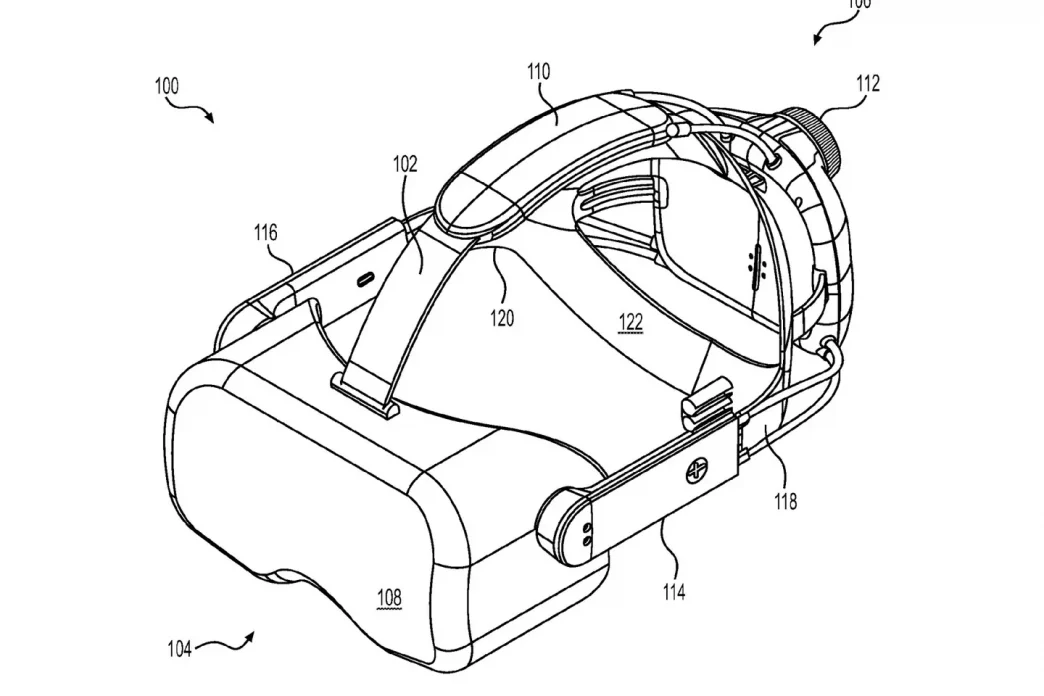
Valve is reportedly gearing up to launch its next-generation VR headset, codenamed Deckard, by late 2025. With a rumored price tag of $1,200, this standalone device aims to compete with existing high-end VR offerings while providing a unique gaming experience through its integration with Steam’s extensive library.
Key Takeaways
- Launch Date: Expected by late 2025.
- Price: Approximately $1,200 for the full bundle.
- Standalone Functionality: No need for a PC, operating on a modified version of SteamOS.
- Game Compatibility: Will support both VR-specific titles and flat-screen games from the Steam library.
- New Controllers: Expected to feature advanced tracking and ergonomic designs.
Overview Of The Deckard VR Headset
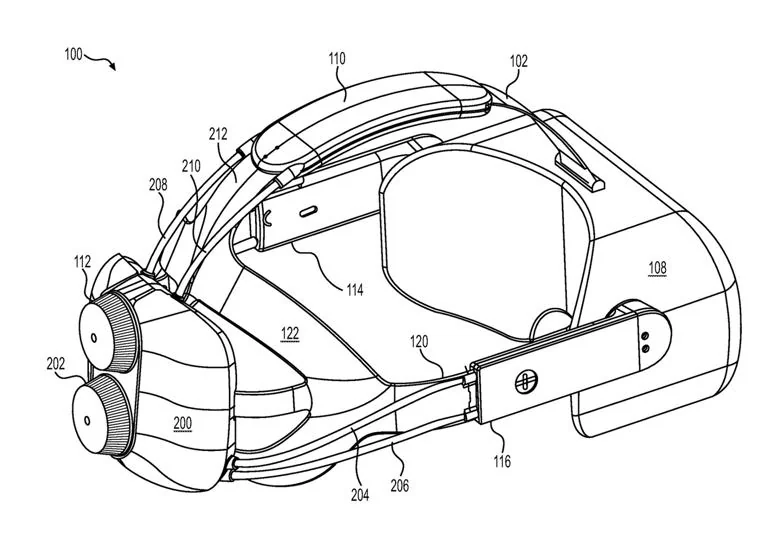
The Deckard VR headset represents Valve’s ambitious return to the virtual reality hardware market. Unlike its predecessor, the Valve Index, which required a wired connection to a gaming PC, Deckard is designed to be fully standalone. This shift aligns with industry trends favoring wireless VR solutions, as seen with competitors like Meta and Apple.
Pricing Strategy
The anticipated price of $1,200 positions Deckard as a premium product in the VR market. Interestingly, reports suggest that Valve may sell the headset at a loss, similar to its strategy with the Steam Deck, to prioritize quality and user experience. This pricing strategy aims to attract serious VR enthusiasts rather than casual users.
Several people have confirmed that Valve is aiming to release new standalone, wireless VR headset (codename Deckard) by the end of 2025. The current price for the full bundle is set to be $1200. Including some "in-house" games (or demos) that are already done. Valve want to give… pic.twitter.com/alHzQuwNvc
— Gabe Follower (@gabefollower) February 26, 2025
Key Features
- Standalone Operation: Deckard will not require external base stations or a wired connection, allowing for greater freedom of movement.
- SteamOS Integration: The headset will run on a custom version of SteamOS, enabling users to access their existing Steam library without needing a PC.
- Game Compatibility: Users can expect to play both VR-specific titles and traditional flat-screen games in a virtual environment, enhancing the headset’s versatility.
- Advanced Controllers: New controllers, codenamed “Roy,” are expected to feature improved ergonomics and tracking capabilities, moving away from the traditional motion-tracking rings.
Performance Expectations
While the Deckard headset is designed to deliver high-quality VR experiences, performance remains a critical concern. Running games at 120Hz and 1440p across dual screens could challenge the capabilities of a standalone device. Battery life will also be a significant factor, as users will expect extended play sessions without frequent recharging.
Potential Game Launches
Valve has a history of launching flagship titles alongside its hardware. The possibility of a new Half-Life game or other in-house VR titles being released alongside Deckard could drive initial sales and showcase the headset’s capabilities. This strategy mirrors the successful launch of Half-Life: Alyx, which was instrumental in promoting the Valve Index.
Conclusion
As Valve prepares for the launch of the Deckard VR headset, the gaming community is abuzz with speculation and excitement. With its premium pricing, standalone capabilities, and integration with Steam’s vast library, Deckard has the potential to reshape the VR landscape. However, the success of the headset will ultimately depend on its performance, battery life, and the quality of the gaming experience it delivers. Only time will tell if Deckard can carve out a significant niche in the competitive VR market.


