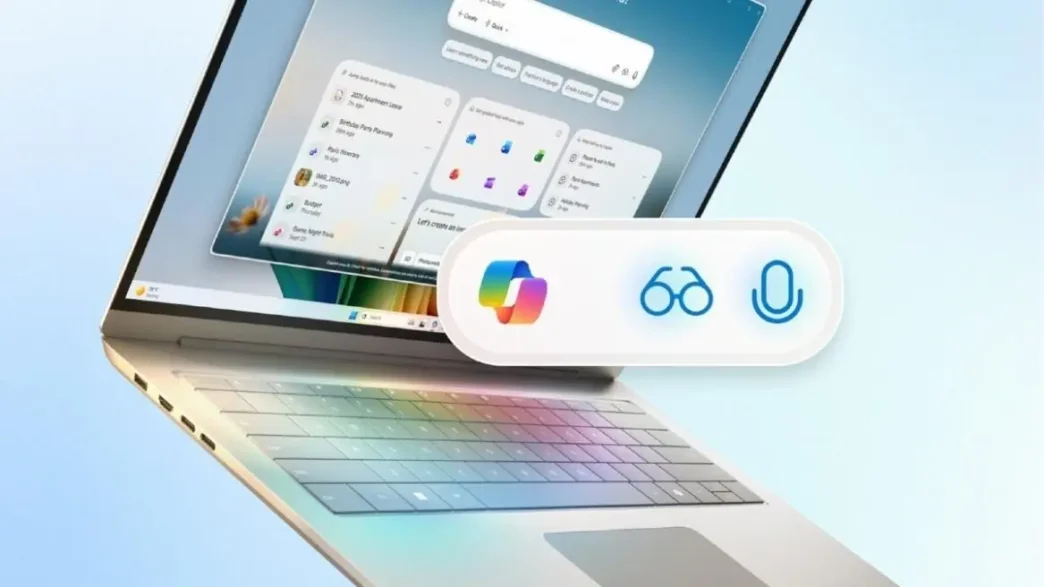
Microsoft has announced a significant shift in its Windows 11 AI strategy, implementing a mandatory consent framework for AI agents to access personal files. This move comes after considerable user backlash and privacy concerns regarding the potential for unauthorized data access by these new AI features. The company is now ensuring users have explicit control over what information AI agents can interact with on their systems.
Key Takeaways
- AI agents in Windows 11 will no longer access personal files by default.
- Users must grant explicit permission on a per-agent basis.
- Six “known folders” (Desktop, Documents, Downloads, Music, Pictures, Videos) are protected by default.
- Users can choose to grant permanent access, require reauthorization for each interaction, or deny requests entirely.
- Concerns remain regarding broader AI security risks and potential data collection.
Enhanced User Control Over AI File Access
Microsoft has updated its documentation for experimental AI agent features in Windows 11, confirming that AI agents must now request permission before accessing personal files. This opt-in approach means standard installations will remain unaffected unless users actively choose to enable these features and approve specific agents. The permission system is designed on a per-agent basis, preventing a single approval from granting system-wide access.
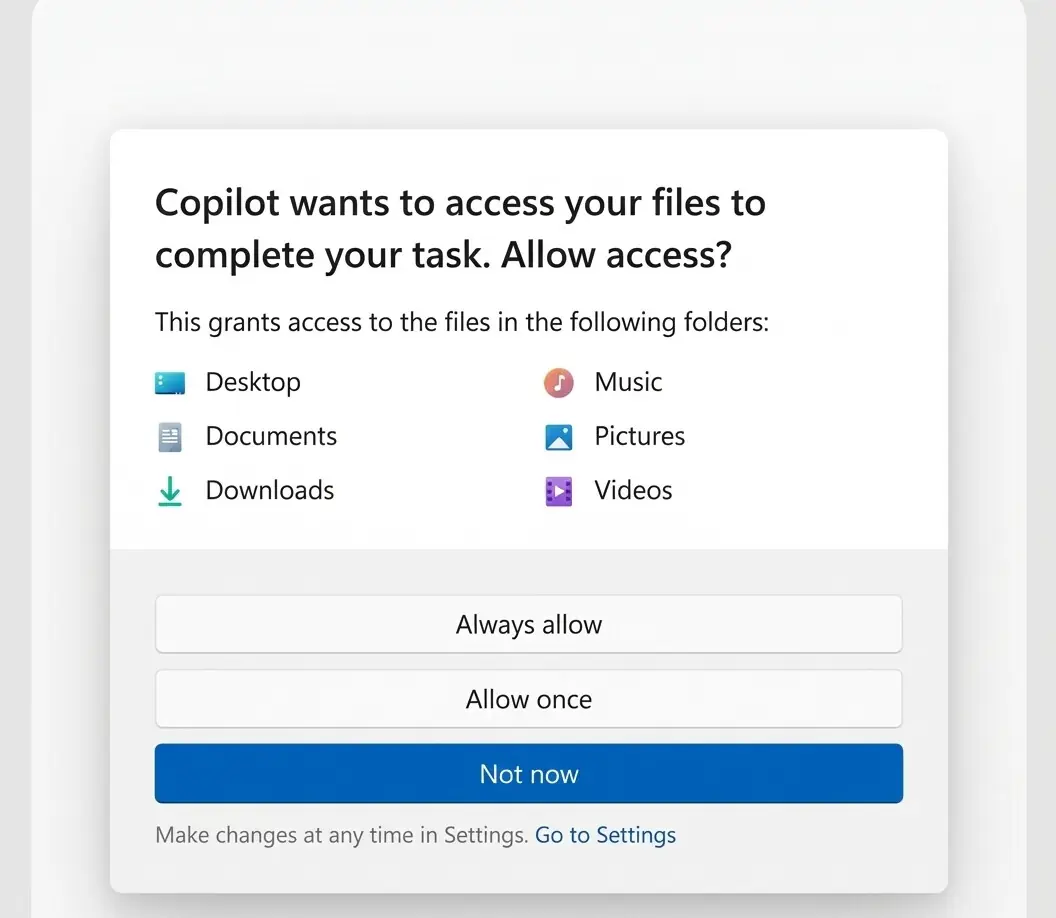
When an AI agent attempts to access files, Windows will present a consent interface. Users will have the option to grant permanent access, require authorization for every interaction, or deny the request outright. Each AI assistant will have its own settings portal, allowing users to manage and modify these permissions at any time. Furthermore, the platform is testing discrete connectors that manage interactions with system applications like File Explorer and Settings separately from core folder permissions. This modular design allows for granular control, such as permitting an agent to adjust system settings while restricting access to personal documents or photos.
Addressing Privacy Concerns Amidst AI Advancement
The decision to implement explicit consent follows growing unease among users and privacy advocates. Initial previews of AI agent features suggested a more open-ended access to user data, raising alarms about potential privacy breaches and security vulnerabilities. Microsoft has previously acknowledged that AI agents can “hallucinate” and produce errors, and the security risks associated with autonomous agents are a pressing concern, with emerging attack techniques like cross-prompt injection posing significant threats.
While the new consent framework aims to mitigate these immediate privacy fears, broader security concerns persist. Users are advised to carefully consider the implications before enabling these experimental features. The move represents a significant concession by Microsoft, acknowledging the importance of user trust and data privacy in the rapidly advancing field of artificial intelligence integrated into operating systems.
Via Windows Latest