Walk through any electronics store or scroll through any app marketplace. Notice how specific offerings simply stand apart. They possess an almost magnetic quality that attracts and retains users. This distinction rarely emerges from isolated moments of inspiration. Instead, it results from a rigorous, ongoing dialogue between creator and consumer. Modern technology enables this conversation at an unprecedented scale, transforming subjective perception into quantifiable guidance. This process connects market sentiment directly to development roadmaps, creating a virtuous cycle of improvement.
Understanding the Conversation Loop
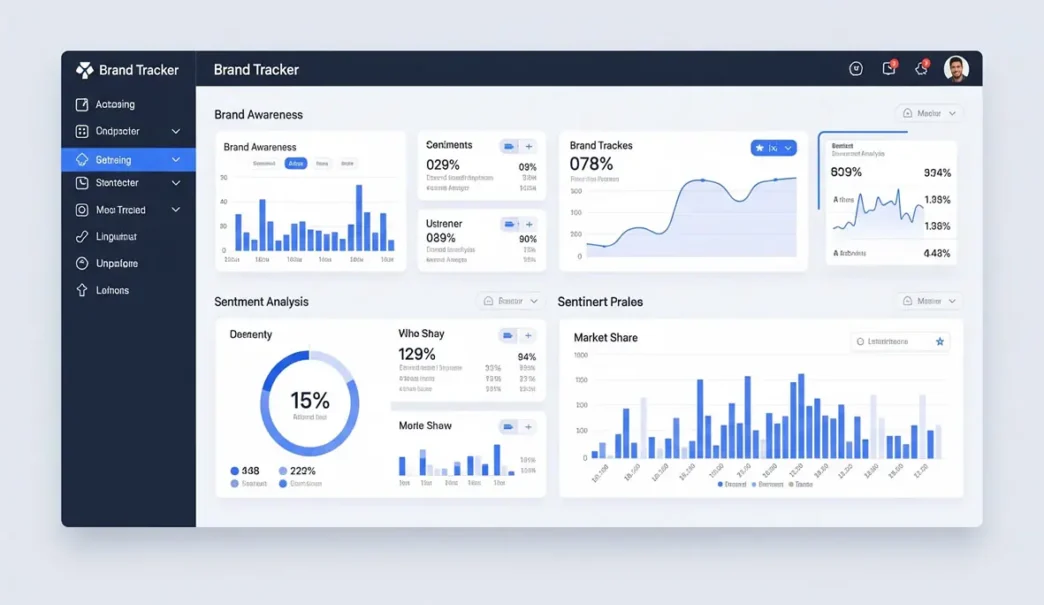
How can an organisation truly know what its audience thinks? Traditional methods, surveys, and focus groups offer snapshots, often outdated by the time they’re analysed. Contemporary solutions provide a continuous pulse on market perception. They measure awareness, reputation, and loyalty metrics over time, revealing trends rather than moments. This longitudinal view is invaluable. It indicates whether brand equity is growing or eroding and identifies precisely which initiatives drive these changes. Utilising a platform like the Vypr brand tracker allows teams to move beyond guessing, grounding strategic decisions in empirical evidence gathered directly from their target market.
From Perception to Practical Design
Raw data about brand health remains abstract until connected to product features. Why do customers perceive your brand as innovative or reliable? Which specific aspects of your user experience drive these associations? Advanced analytical tools cross-reference perception metrics with usage data. This reveals robust correlations: customers who frequently use a specific feature are significantly more likely to become brand advocates. These insights directly inform the prioritisation of development resources, ensuring work focuses on elements that genuinely strengthen market position.
Building with Confidence
Armed with a deep understanding of what drives positive perception, product teams gain remarkable clarity. Development shifts from speculating about what might work to amplifying what already does. Engineers and designers receive clear guidance on which features to refine, expand, or promote more heavily. This evidence-based approach minimises wasted effort on projects with limited impact. It builds collective confidence because every major decision is supported by tangible evidence from the people who matter most: the users.
Anticipating Shifts in Demand
Markets evolve. Consumer expectations change. A solution that only reports on historical data leaves you perpetually catching up. Sophisticated systems employ predictive analytics to identify emerging trends. By tracking subtle changes in perception and correlating them with broader market movements, these tools can provide early warnings about changing consumer desires. This foresight allows product strategists to pivot before a competitor even recognises the opportunity, positioning your offerings at the forefront of market evolution.
Creating a Cohesive Experience
Product excellence extends beyond functionality. Every interaction, from advertising and customer support to the unboxing experience and user interface, shapes brand perception. Holistic tracking demonstrates how these touchpoints collectively influence customer loyalty. It reveals whether your product experience delivers on the promises made by your marketing. Closing this loop is essential for building authentic, lasting brand strength that competitors cannot easily replicate.
Fostering an Outside-In Culture
Implementing this technology ultimately changes how an organisation thinks. It dismantles internal debates rooted in personal opinion, replacing them with a shared reverence for customer evidence. Teams develop a consistent habit of asking, “What does the data tell us?” This cultural shift creates a more agile, customer-centric organisation that consistently delivers products perfectly aligned with market needs.
The Ultimate Advantage
In a crowded marketplace, intuition is no longer enough. Sustainable success belongs to those who listen systematically, interpret intelligently, and act decisively. Leveraging technology to understand brand health transforms abstract concepts like “reputation” and ” loyalty” into actionable product insights. This disciplined approach ensures that every development cycle strengthens your market position, building products that customers not only use but genuinely love.