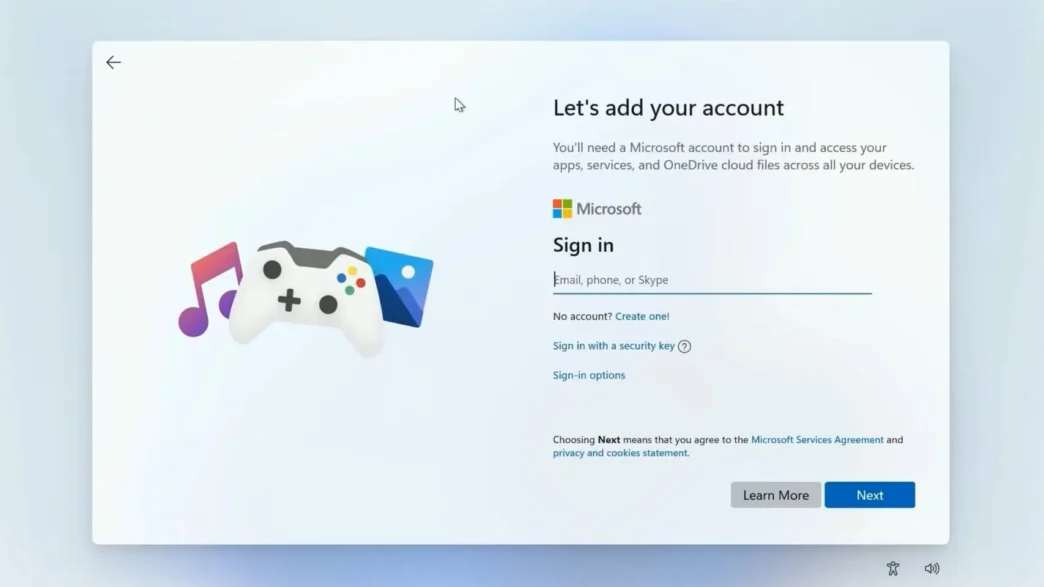
Microsoft has firmly moved to enforce mandatory Microsoft account sign-ins for all new Windows 11 installations, effectively locking out quick workarounds and making an online account—along with an internet connection—non-negotiable. The latest preview builds signal the end of familiar bypass tricks, stirring both technical and privacy discussions in the PC community.
Key Takeaways
- Local account creation workarounds (like
bypassnroand command-line tricks) are now blocked in Windows 11 preview builds. - Completing setup now strictly requires a Microsoft account and internet connection.
- Only complex, technical methods (like unattended installations) still allow local accounts—out of reach for most users.
- The changes are currently in preview but expected to become standard with upcoming stable Windows 11 updates.
Major Change to Windows 11 Setup Experience
For years, users have been able to sidestep Microsoft’s online account requirement during the initial setup (OOBE—Out Of Box Experience) by using certain commands. These allowed them to create a local account or proceed without immediately connecting to the internet. However, Microsoft has systematically removed these options, citing the need to prevent users from skipping critical setup screens and ensuring the device is properly configured at first use.
With commands like start ms-cxh:localonly and bypassnro now disabled, users can no longer simply skip Microsoft account creation or network connection prompts. This change means all users must link their PC to a Microsoft account during setup—impacting both new home users and IT professionals deploying consumer versions of Windows.
Impact on Users and Industry Reaction
The move has sparked widespread debate within the tech community. Critics argue the requirement erodes user choice and privacy, pushing everyone deeper into the Microsoft service ecosystem for products like OneDrive and Microsoft 365.
While local accounts offered more control and privacy, Microsoft maintains that mandatory online accounts help with security, seamless cloud integration, and a smoother out-of-box experience. Power users can technically still create local accounts, but only by modifying Windows installation images in advance—an advanced process not suitable for casual users.
Tech forums and online discussions show some users are considering alternative operating systems or relying on older Windows versions to maintain local, offline control over their devices. Others point out that similar account requirements have been standard in Apple’s and Google’s ecosystems for years, suggesting a broader industry trend.
What Comes Next?
Currently, these installation changes are part of the latest Windows 11 Insider Preview builds. They are anticipated to roll out to all users in a near-future Windows 11 update, likely the 25H2 release. Once implemented, new PC setups will effectively require an internet connection and Microsoft account from the start, leaving local-only installations a thing of the past for most Windows users.
For those determined to stay offline or avoid a Microsoft account, more complicated solutions—like custom unattended installs—remain, for now, the only options. However, these require considerable technical knowledge and are unlikely to be widely adopted outside enterprise environments or by power users.
Via Windows Blog