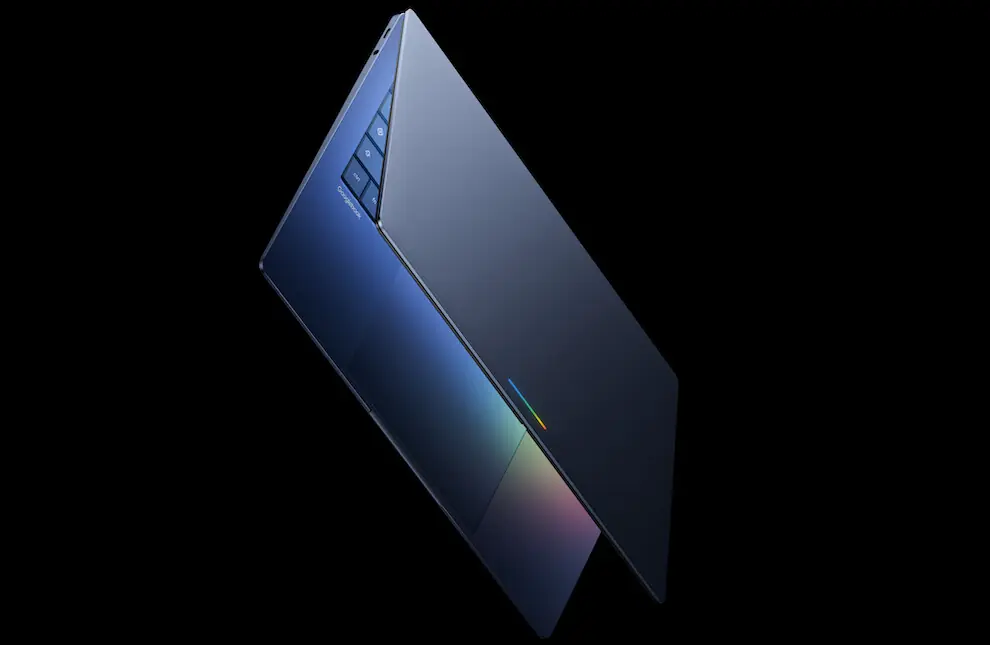
Google is gearing up to launch a new generation of laptops, rebranding its popular Chromebook line as “Googlebooks.” These new devices will heavily integrate Google’s Gemini AI, offering advanced features and a more intelligent computing experience. Partnering with major manufacturers, Google aims to redefine the laptop market with an AI-first approach.
Key Takeaways
- Google is replacing the Chromebook brand with “Googlebook.”
- New laptops will feature deep integration of Gemini AI.
- Acer, ASUS, Dell, HP, and Lenovo are confirmed launch partners.
- Devices are expected to launch this fall.
- Potential for a unified “Aluminium OS” merging Android and ChromeOS.
A New Era of Intelligent Laptops
Google is set to retire the Chromebook name in favor of “Googlebook” for its upcoming line of AI-powered laptops. This strategic shift, revealed through leaked information and previews, signals Google’s commitment to an “intelligence-first” computing experience. The new Googlebooks will leverage the capabilities of Gemini AI to offer proactive and contextual assistance to users.
Enhanced AI Integration and Features
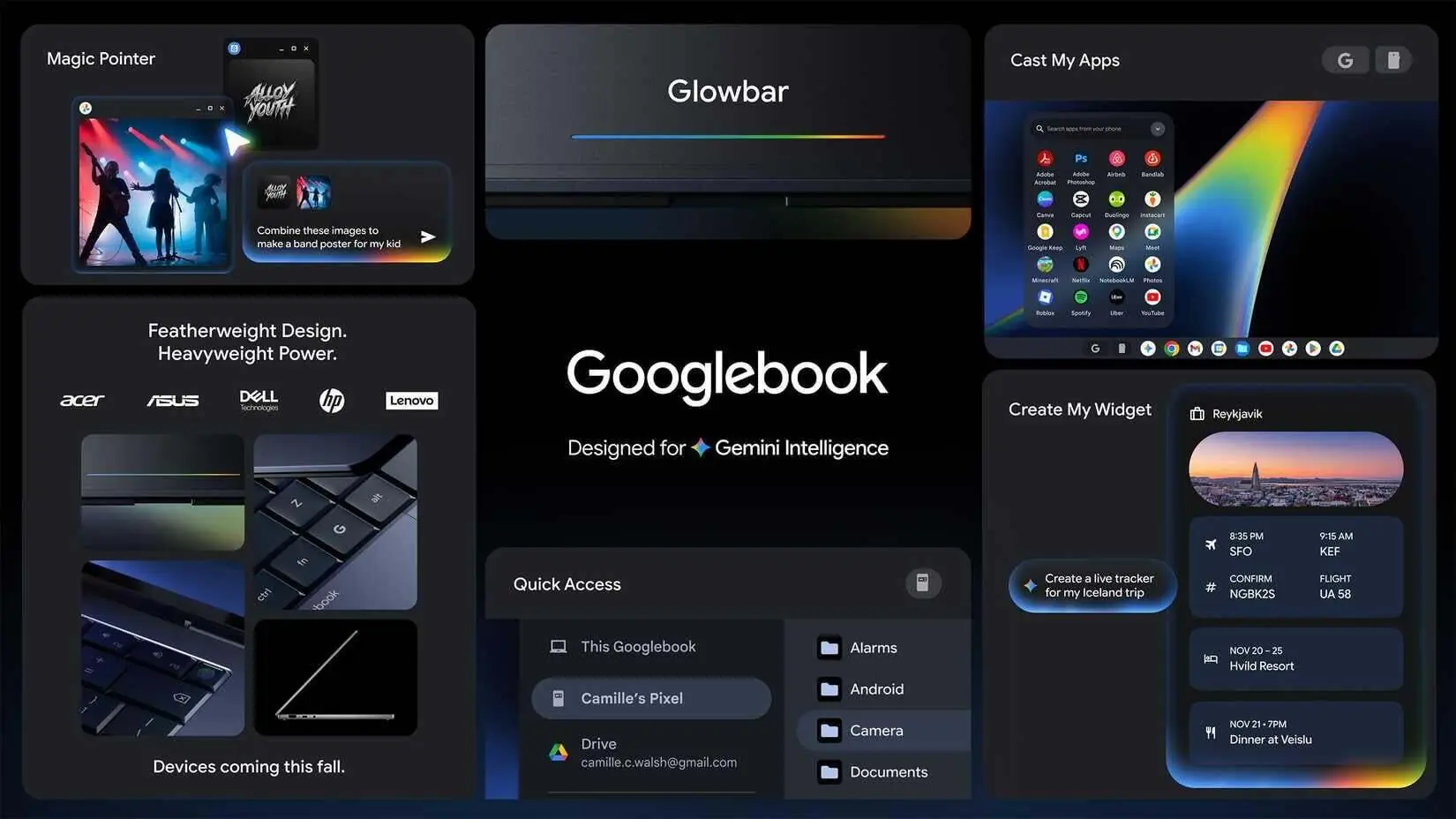
The core of the Googlebook experience will be the deep integration of Gemini AI. Features like “Magic Pointer” are designed to transform the traditional cursor into an AI assistant, offering contextual suggestions and actions based on what’s on the screen. For instance, hovering over a date in an email could prompt meeting creation, or selecting images could allow for instant visualization. Additionally, a “Create your Widget” feature will enable users to generate personalized AI-powered dashboards with simple prompts, pulling information from Google services like Gmail and Calendar.
Seamless Android Ecosystem Connectivity
Googlebooks will also boast enhanced integration with the Android ecosystem. Features like “Cast My Apps” and “Quick Access” will allow users to interact with their Android smartphones directly from their Googlebook. This includes running mobile apps on the laptop without downloads or complex controls, and accessing phone files directly through the laptop’s file browser, aiming for a more unified cross-device workflow.
Premium Design and Hardware Partnerships
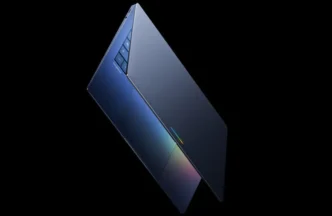
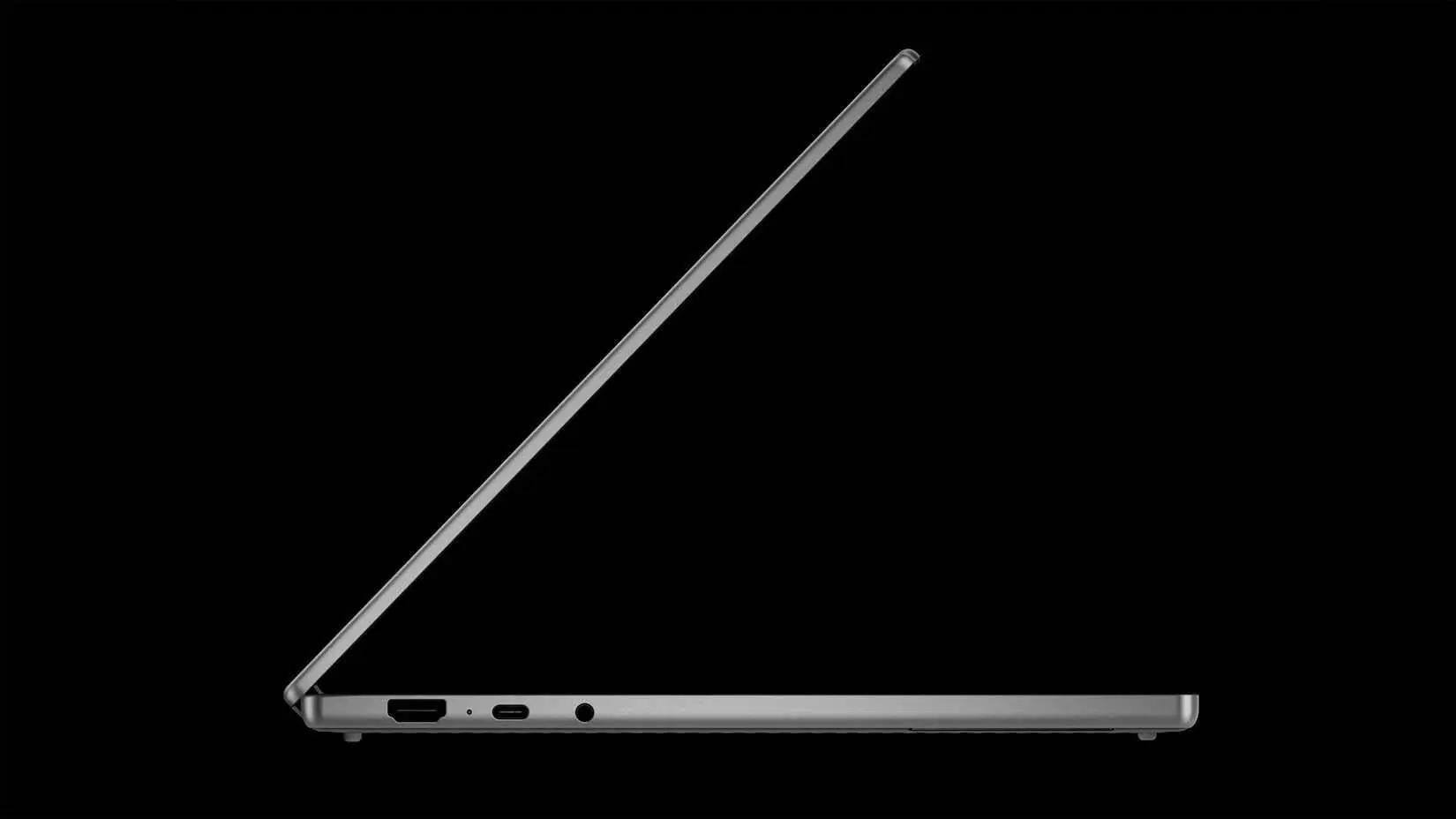
Google is collaborating with established PC manufacturers, including Acer, ASUS, Dell, HP, and Lenovo, to produce the first wave of Googlebooks. These devices are described as premium, featuring modern industrial design and a distinctive “Glowbar” aesthetic. While specific hardware details remain scarce, the emphasis is on higher build quality and materials compared to traditional Chromebooks. The underlying operating system is rumored to be “Aluminium OS,” a potential merger of Android and ChromeOS optimized for AI workloads.
The Future of Personal Computing
The introduction of Googlebooks represents a significant move by Google to compete in the evolving AI PC market. By placing AI at the center of the user experience and integrating it deeply into the hardware and software, Google aims to redefine personal computing. While Chromebooks will continue to be supported, the Googlebook initiative clearly marks a new direction for Google’s laptop strategy, focusing on intelligent, AI-driven interactions.
Via Reddit