It has been revealed that Intel and Nvidia are collaborating to produce x86 CPUs with integrated Nvidia RTX graphics, targeting release dates in 2028 and 2029. This unprecedented partnership aims to reshape the landscape for consumer PCs and gaming laptops, effectively combining two industry powerhouses in a move that will dramatically impact competitors and users alike.
Key Takeaways
- Intel and Nvidia are collaborating on CPUs with built-in Nvidia RTX graphics, targeting 2028–2029 releases.
- The partnership involves tight technical integration using NVLink for high-bandwidth CPU-GPU communication.
- The alliance is poised to challenge AMD’s dominance in the high-performance APU and mobile market.
- Nvidia’s $5 billion investment in Intel cements the collaboration and secures Nvidia a minority stake in Intel.
A Historic Collaboration: Intel and Nvidia Join Forces
Intel and Nvidia, historically fierce rivals, have announced a joint project to develop CPUs with integrated Nvidia RTX GPU chiplets. These new chips, branded as ‘Intel x86 RTX SOCs’, will directly take on AMD’s leading APUs in the gaming and mobile markets. Nvidia’s investment of $5 billion to acquire roughly 5% of Intel underscores the financial and strategic depth of this agreement.
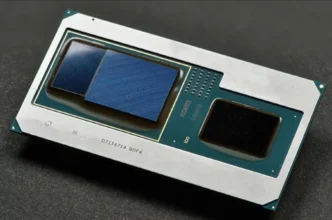
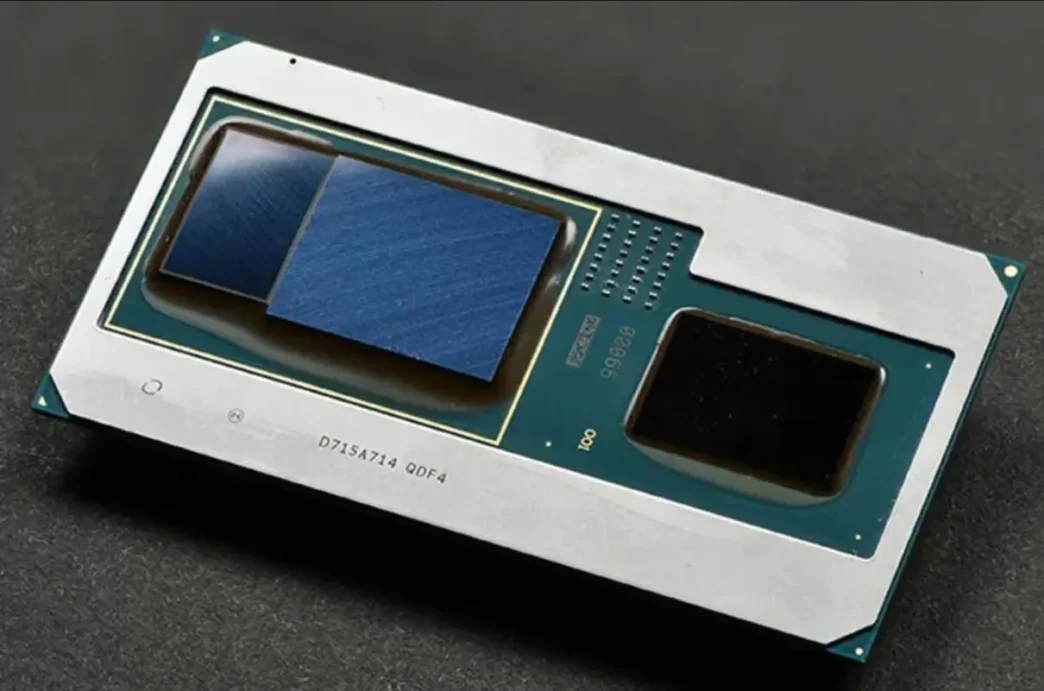
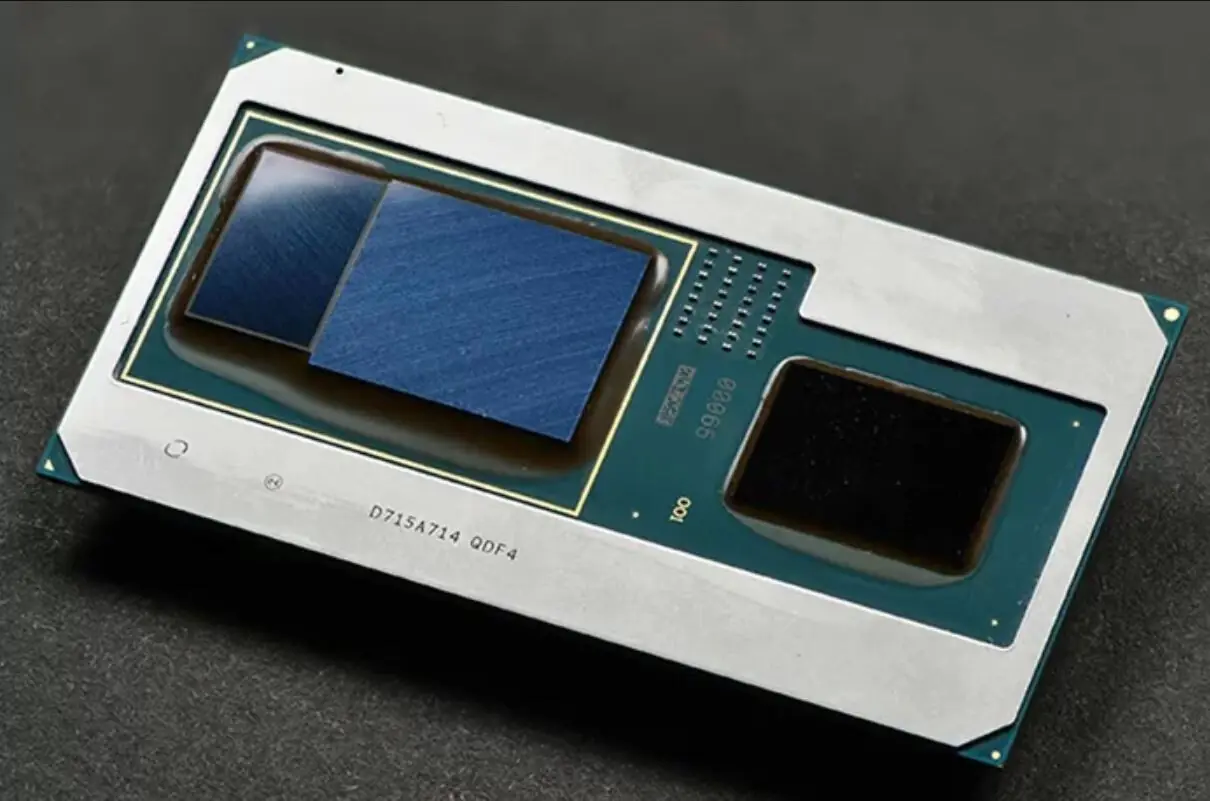
Unlike past efforts, such as Intel’s brief venture with AMD’s Radeon GPUs for Kaby Lake-G chips, this deal represents a major multi-generational commitment. Nvidia’s advanced RTX graphics will be tightly fused with Intel’s x86 CPU technology, creating a unified product with the potential to set new standards in graphics performance and power efficiency.
Technical Details: Next-Gen Integration
The upcoming chips are expected to utilize high-bandwidth interconnects, such as Nvidia’s NVLink, instead of the common PCIe standard. This promises ultra-fast, low-latency communication between CPU and GPU within a single package. Early reports indicate the first CPUs, code-named Serpent Lake (for laptops) and Hammer Lake (for desktops), will debut between 2028–2029.
Production will leverage TSMC’s advanced process nodes, and the chips are likely to support the latest memory standards (including LPDDR6), ensuring ample bandwidth for demanding gaming and AI tasks. Notably, these hybrid CPUs will benefit from Nvidia’s signature features such as DLSS upscaling and hardware-accelerated ray tracing—capabilities previously unavailable in integrated graphics.
Market Impact: A Direct Challenge to AMD and More
Intel’s move to incorporate Nvidia graphics directly responds to AMD’s successful Strix Halo and other APU platforms, which have made significant inroads in gaming laptops and handhelds. By merging Intel’s dominant CPU share with Nvidia’s GPU prowess, the partnership could upend the current balance—especially in thin-and-light laptops and small form-factor gaming PCs.
This alliance also marks a pivotal shift for Intel’s own discrete graphics ambitions. While some reports suggest Intel will continue to develop its Arc graphics for select products, Nvidia-powered integrated options are set to become flagship solutions for premium PCs.
Looking Ahead: Broader Implications
Beyond consumer PCs, the collaboration extends to the data center market. Intel will develop custom x86 CPUs for Nvidia’s hyperscale and AI customers, using NVLink Fusion and advanced packaging technologies. These moves could spell tougher competition for AMD and further strengthen both companies’ positions in strategic markets.
With Nvidia taking a minority stake in Intel and the two pledging a multi-generation roadmap, the partnership signals one of the most significant realignments in the semiconductor industry in decades. As details emerge and the first chips launch in the coming years, users and competitors alike will be watching closely.