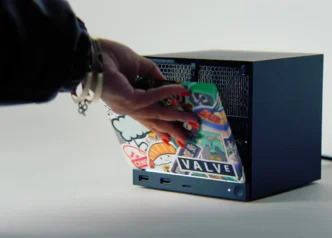
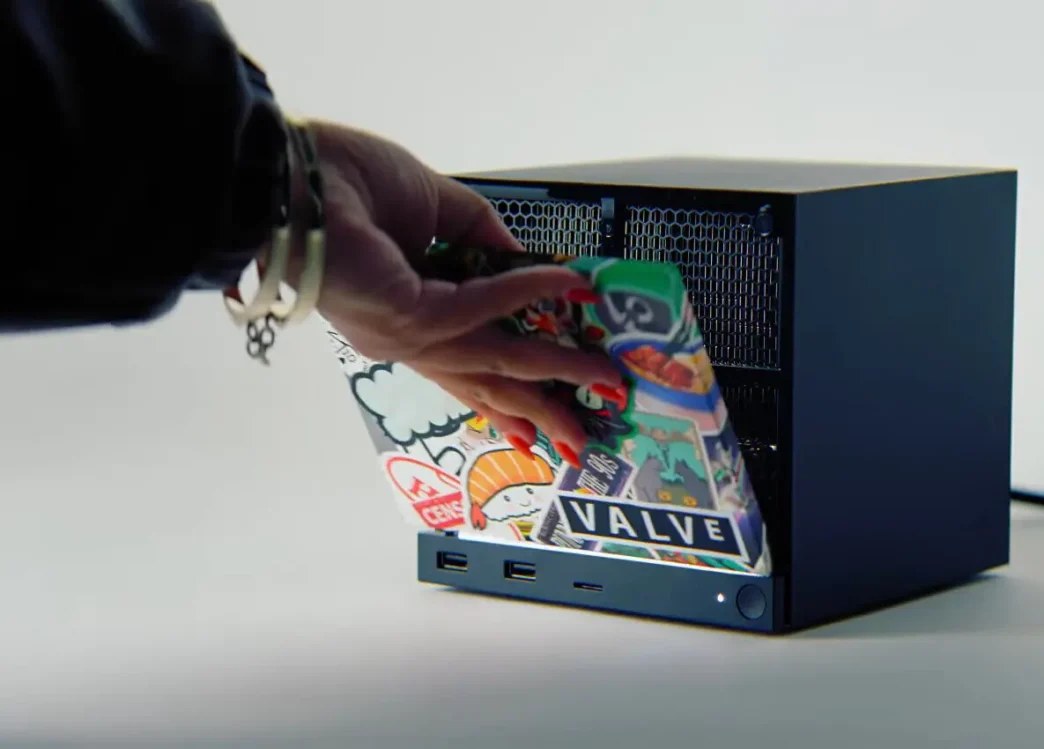
Valve’s highly anticipated Steam Machine has officially hit the market with a starting price of $1,049, frustrating fans who expected a much more affordable machine. The company recently confirmed that this final price point significantly exceeds their initial target of approximately $750, a change primarily driven by extreme instability in the global memory market and severe supply chain pressures.
Key takeaways
- The Steam Machine’s original internal price target fluctuated around $750 before component shortages.
- A significant spike in DRAM costs forced an estimated 30% to 40% retail markup.
- Valve has reported having effectively zero leverage with memory suppliers in the current climate.
- Unlike major console manufacturers, Valve does not subsidize its hardware, passing component costs directly to consumers.
The volatility of the memory market
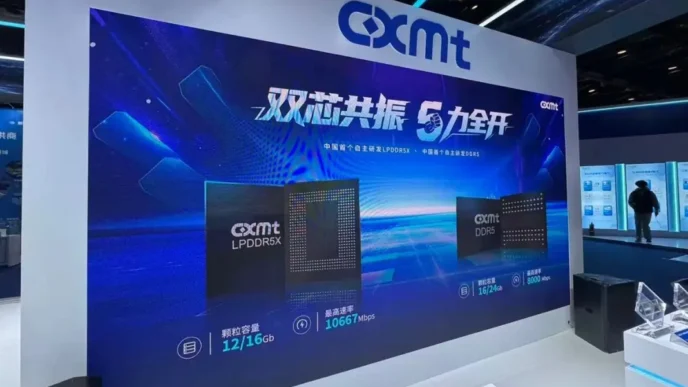
Recent discussions with Valve engineers revealed that the jump to a four-figure price tag was a reaction to the ongoing global DRAM shortage. AI-focused infrastructure projects have consumed massive amounts of fabrication capacity, causing memory prices to skyrocket. This trend mirrors the recent price hikes seen with the Steam Deck, which served as a bellwether for the manufacturing challenges Valve currently faces.

The struggle for supply chain leverage
According to Valve, the company operates in a “take it or leave it” environment regarding RAM acquisition. Memory manufacturers dictate pricing on a monthly basis, offering specific quantities with an ultimatum: either accept the price or lose access to the supply entirely. Because Valve is competing for the same high-end components used in corporate AI servers, they lack the bargaining power to lock in long-term, stable pricing contracts. This lack of influence has left the company with no choice but to adjust the retail cost to cover the higher expenses of securing memory.
A tough value proposition
At a starting price of $1,049, the Steam Machine faces a challenging retail landscape. Early performance reports indicate the device struggles to consistently outperform current-generation consoles like the PlayStation 5, which cost significantly less. As Valve noted, their decision not to subsidize hardware means that every price increase at the component level is reflected on the customer’s receipt. While the company still aims to expand the reach of SteamOS, the current hardware market environment makes the Steam Machine a premium, niche offering rather than the mass-market device many fans initially envisioned.
Via IGN