

NVIDIA has unveiled significant technical updates for its DLSS 5 neural rendering technology at SIGGRAPH 2026. Addressing previous criticisms regarding artistic intent and visual quality, the company showcased enhanced customization options, improved temporal streaming, and high-efficiency performance targets, aiming to redefine real-time rendering ahead of a planned fall release.
Key takeaways
- Three distinct AI models (A, B, and C) allow developers to tailor rendering intensity and detail.
- New focus on preserving artistic intent through scene and object-specific customization.
- Real-time temporal streaming eliminates shimmering by using game engine motion vectors.
- Targeting 4K/60FPS performance with sub-16ms latency on a single GPU.
Customization and flexibility
NVIDIA has introduced three distinct DLSS 5 models—labeled Model A, Model B, and Model C—designed to provide varying levels of structural intensity, global illumination, and texture detail. This modular approach allows game developers to mix and match settings based on the specific requirements of individual scenes or character models. By offering different parameter counts, these models ensure that computational resources are allocated efficiently, allowing them to run smoothly on a single GPU without compromising performance.
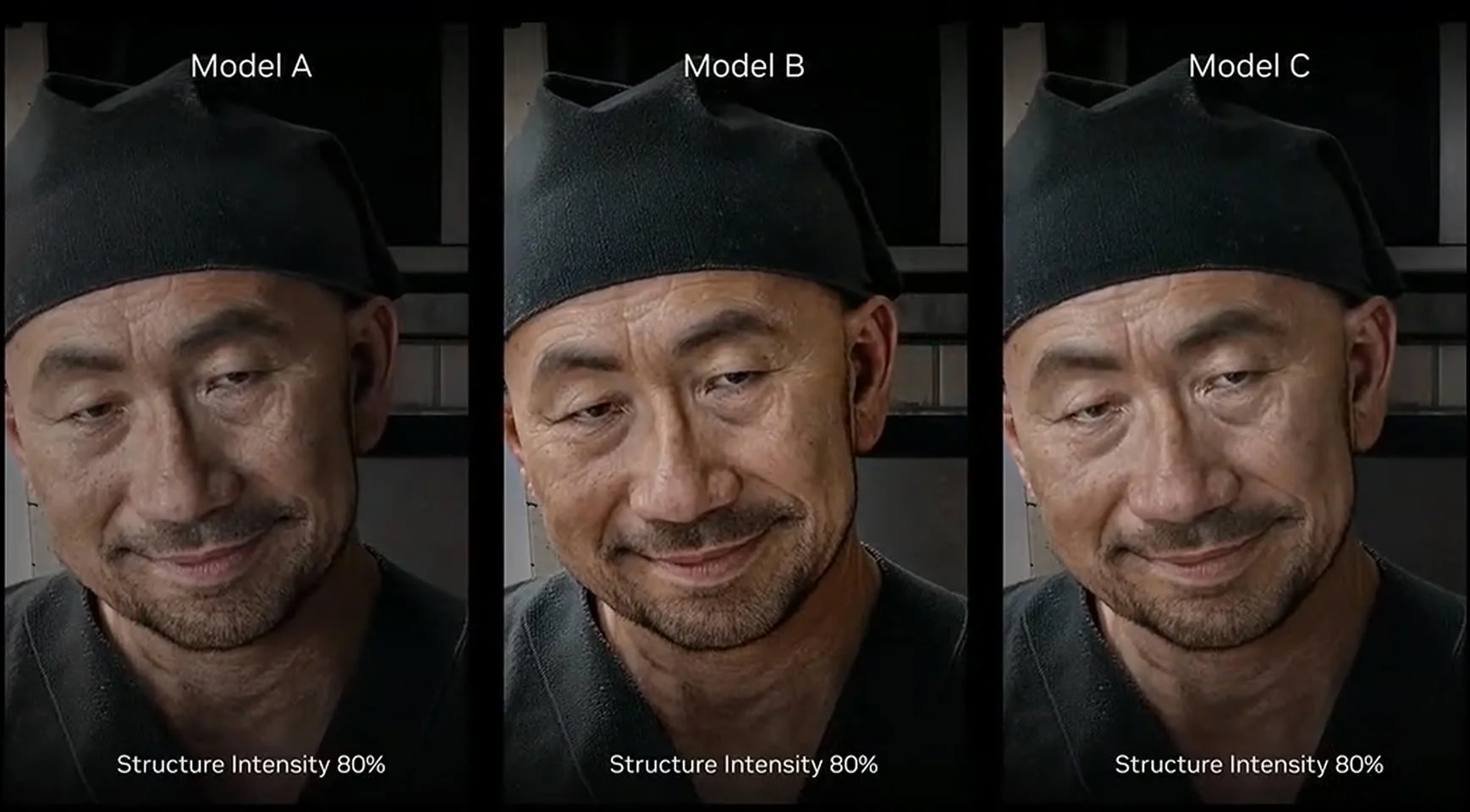
Maintaining visual fidelity
A primary focus of the updated DLSS 5 is the preservation of artistic intent, a point of contention in earlier demonstrations. By allowing developers to customize parameters for specific objects and game environments, NVIDIA aims to maintain visual identity, character poses, and lighting semantics.
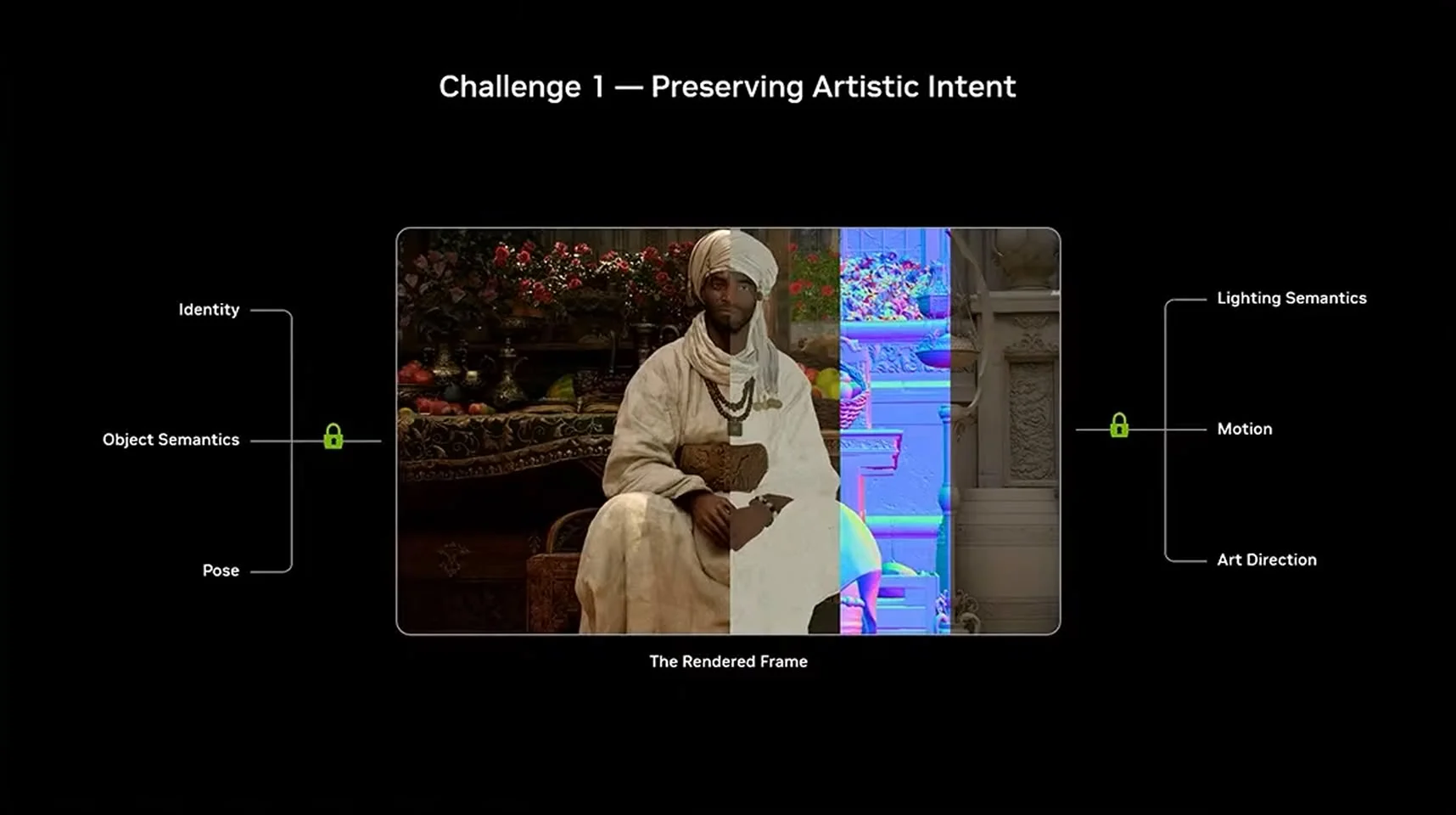

This process applies material photorealism within strict parameters to enhance the overall visual appeal without compromising the developer’s original vision. The system provides granular control, allowing adjustments to be made on a per-scene and per-character basis.








Real-time performance and efficiency
The company addressed the challenge of temporal streaming, which previously relied on chunk-based processing. By leveraging motion vectors directly from the game engine, DLSS 5 generates textures frame-by-frame in real-time, effectively eliminating shimmering and image corruption. NVIDIA reports that the technology can render 4K frames at over 60 FPS in under 16 milliseconds. Most of this processing time is consumed by the game engine rather than the DLSS 5 model, demonstrating the high efficiency of the new architecture.