


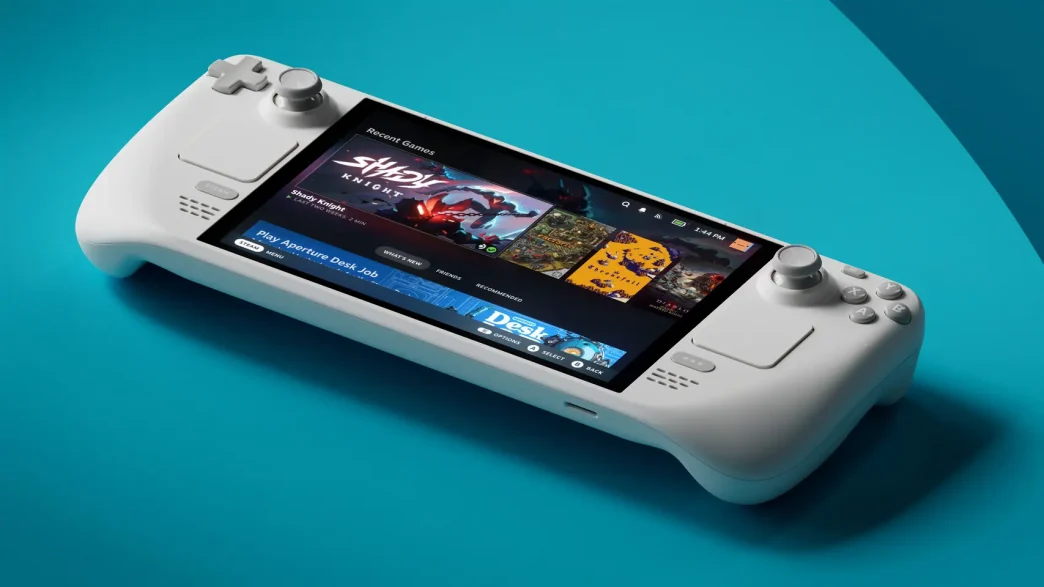
Valve’s popular Steam Deck handheld has experienced a dramatic downturn in sales following significant price hikes implemented in late May 2026. Market analysts report that weekly unit sales may have dropped by as much as 82 percent, as consumers balk at the increased costs associated with rising component prices.
Key takeaways
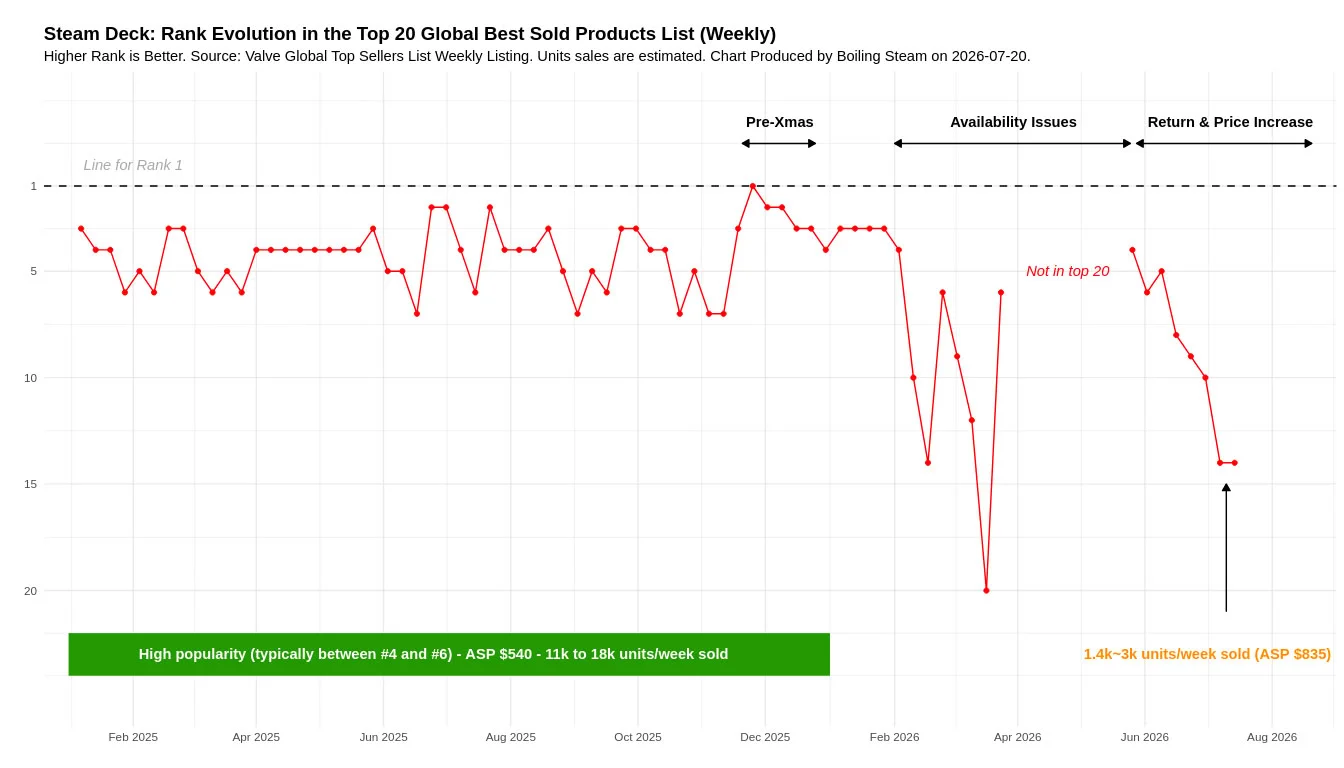
- Weekly unit sales dropped from an estimated 11,000–18,000 to just 1,400–3,000.
- Price hikes were attributed to the global increase in memory and storage costs.
- The Steam Deck’s position in top-seller charts fell from 5th to 14th place.
- Consumers are increasingly comparing the device to more powerful, current-generation competitors.
The scale of the decline
Following the price adjustments in late May 2026, the Steam Deck’s market performance has shifted drastically. Valve increased the price of the 512GB OLED model by 44 percent, moving it from $549 to $789, while the 1TB model saw a 46 percent increase to $949. Analysts at Boiling Steam, using data from Valve’s own Top Sellers charts, estimate that this shift resulted in a massive decline in weekly volume. While the device previously moved between 11,000 and 18,000 units per week, recent figures suggest that volume has plummeted to as few as 1,400 units.
Competition and hardware fatigue
Beyond the raw price increases, the Steam Deck is facing a challenging landscape. As a device that has been on the market for several years, its hardware is beginning to show its age when compared to newer, more powerful handhelds like the ASUS ROG Ally X. Many potential buyers are now questioning the value proposition of the Steam Deck, noting that for a price tag nearing $800, they can secure significantly more modern hardware or even entry-level gaming laptops. The sentiment among the gaming community suggests that the handheld’s primary appeal—its balance of affordability and performance—has been compromised.
Looking toward the future
Valve has maintained a cautious approach regarding the future of its portable lineup. The company has explicitly stated that a successor, the Steam Deck 2, will not be released until there is a significant leap in hardware performance. Meanwhile, the launch of the Steam Machine has provided an alternative for users who primarily utilized the Steam Deck as a home console. Whether the Steam Deck can regain its footing depends on whether Valve chooses to adjust pricing or if the market eventually stabilizes as the current hardware cycle nears its natural conclusion.
Via Boiling Steam