


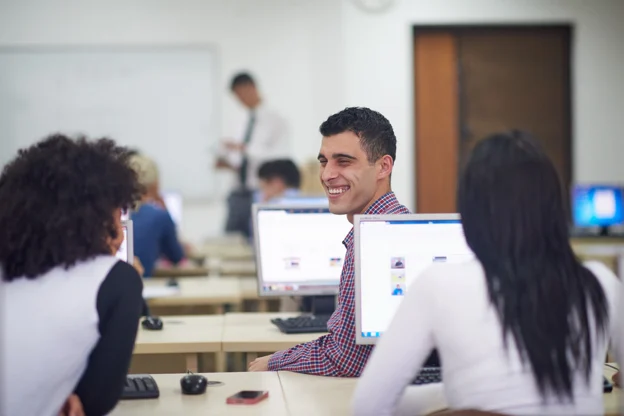
Computers have become a regular part of the educational experience, changing how students access information, complete assignments, communicate, and develop skills. From early learning through college preparation, technology is giving students more opportunities to interact with educational materials in ways that extend beyond traditional textbooks and classroom lectures.
As schools expand their use of digital tools, the role of computers is also becoming connected to broader changes in education. Students are encountering technology earlier, spending more time using school devices, and gaining access to educational programs designed to develop academic and practical skills.
Expanding Access to Digital Learning Opportunities
One of the most noticeable changes in education is the growing variety of programs available to students. Computers make it easier for schools to incorporate interactive lessons, digital research, multimedia assignments, educational software, and online resources into established curricula. These tools can give students additional ways to explore subjects and work with information.
The expansion of international educational programs also reflects how opportunities for students are changing. According to the International Baccalaureate, the number of IB programmes offered worldwide increased by 34.2% between 2018 and 2022. As educational options continue to expand across different countries and school systems, computers can help students access resources and complete work within increasingly diverse learning environments.
Digital resources can also expose students to information beyond the immediate classroom. Instead of relying solely on materials available in a school library, students can use computers to research topics, compare sources, collaborate with classmates, and explore subjects that may not receive extensive classroom time.
Building Skills That Extend Beyond the Classroom
Computer use in school is not limited to completing assignments. Students can develop familiarity with digital communication, research, organization, presentations, file management, and other skills that may remain useful as they move into higher education and eventually the workplace.
At the same time, technology works alongside other parts of a student’s educational development. Early educational experiences can influence later academic pathways, demonstrating why preparation begins well before students are regularly using computers for complex assignments. According to MIT News, a study of Boston’s public preschool program found that attending preschool increased on-time college enrollment by 18%.
That finding does not specifically measure computer use, but it illustrates how educational experiences can have effects that extend well beyond the earliest years of schooling. As students progress through school, computers can become another tool within that longer educational journey, helping them research, create, practice, and communicate.
Finding the Right Role for School Computers
The increasing presence of computers in classrooms means students are spending substantial portions of their school day interacting with digital devices. According to The Wall Street Journal, 50% of students spend approximately 98 minutes per day on school devices, highlighting how significant technology has become within everyday education.
That amount of computer use makes thoughtful implementation important. Computers can provide access to interactive resources and make certain assignments more convenient, but students also benefit from discussions, hands-on activities, written work, and direct interaction with teachers and classmates.
Schools can therefore consider how computers complement rather than replace other learning experiences. A research assignment might involve finding information online before students discuss their findings in class. A presentation could combine digital design with public speaking, while collaborative projects can use computers for organization while still requiring students to communicate directly with one another.
For students, becoming comfortable with computers can be part of preparing for a future in which digital tools are likely to remain important. The goal is not simply to spend more time on devices, but to develop the ability to use technology purposefully, responsibly, and effectively.
Computers are changing education by expanding access to information, supporting different types of learning activities, and giving students opportunities to develop digital skills. Their growing presence is part of a larger evolution in education, from the expansion of academic programs to the increasing emphasis on preparation for college and future careers. When used thoughtfully, computers can serve as one part of a broader educational experience that helps students build knowledge and practical skills for the years ahead.