


Working from a different city every few weeks sounds appealing until the daily reality sets in: cramped cafe tables, unreliable coworking WiFi, and a laptop screen that makes detailed work genuinely harder. Freelancers who travel often adapt by simply lowering their expectations for what a productive day looks like while on the road, assuming discomfort is just part of the lifestyle.
It does not have to be. A portable monitor that fits easily into a daily bag can close much of the gap between a home office setup and life on the move. This article looks at how digital nomads and traveling freelancers can build a lightweight but genuinely functional screen setup.
Designing Around Unpredictable Workspaces
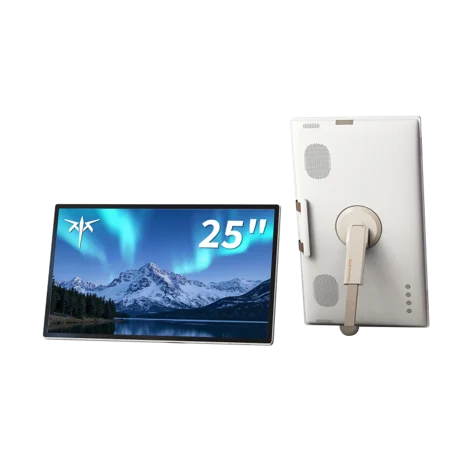
Unlike a fixed office, a traveling setup has to work on wobbly cafe tables, shared coworking desks, and sometimes a hotel room with no proper desk at all. A lightweight stand or an integrated folding case that props the screen at a usable angle without extra hardware becomes essential in these situations. Anything that requires a stable, flat surface and careful balancing quickly becomes impractical once real-world conditions get involved.
Packing efficiency matters just as much as the screen itself. A display that needs its own dedicated pouch, extra cables, and a separate stand adds friction to daily packing and unpacking, which adds up over weeks of constant movement. Simpler setups with fewer separate pieces tend to get used consistently, while more complicated ones often get left in the bag out of sheer inconvenience.
Power Management While On the Move
Access to power outlets varies wildly between locations, from generously equipped coworking spaces to cafes with a single outlet shared by everyone in the room. A portable display that draws power efficiently through the same cable as its video signal reduces the number of things competing for that one outlet. Knowing a device’s actual power draw ahead of time helps avoid unpleasant surprises when working from a location with limited charging access.
Handling Client Calls and Presentations on the Road
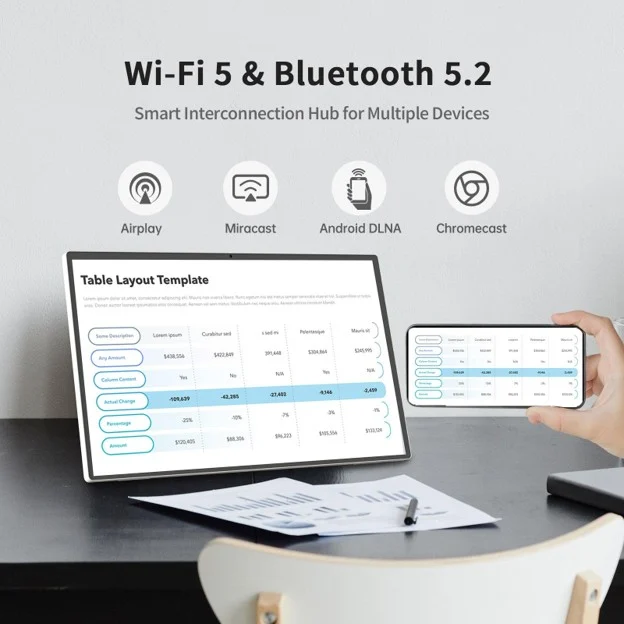
Video calls and client presentations do not pause just because someone is between cities. A second screen makes a real difference here, letting notes, slides, or reference material stay visible without covering the video call window. This alone often justifies the extra weight in a bag for anyone whose work involves regular client-facing meetings.
Touch-enabled portable displays add another layer of usefulness during presentations, letting a freelancer annotate directly on shared visuals or sketch out ideas live during a call. This kind of interactivity turns a passive second screen into something closer to an active collaboration tool, which matters more the more client-facing the work actually is.
Durability for Repeated Travel
A screen that survives being packed and unpacked daily needs sturdier construction than one that stays on a desk permanently. Reinforced corners, a solid folding mechanism, and scratch-resistant surfaces all matter more for frequent travelers than they would for someone using a portable display occasionally at home. Reading reviews specifically from other frequent travelers, rather than general buyers, tends to surface these durability concerns more reliably.
Building a Setup That Travels Well Long Term
KTC’s approach to portable displays leans toward this kind of durability and simplicity, aiming for screens that hold up to repeated travel rather than just performing well in a single unboxing review. Considering how a display will hold up after months of regular use, not just how it performs on day one, leads to a far better long-term investment for anyone whose work genuinely depends on staying mobile.
Making Remote Work Actually Work While Traveling
A location-independent career does not have to mean a permanently compromised workspace. The right portable display setup, one built around unpredictable workspaces, reliable power management, and daily durability, closes much of the gap between working from a proper desk and working from wherever a trip happens to land.
For freelancers and digital nomads who take their work seriously, this small addition to a travel bag often ends up mattering more than any other piece of gear, quietly making every workday on the road feel less like a compromise.