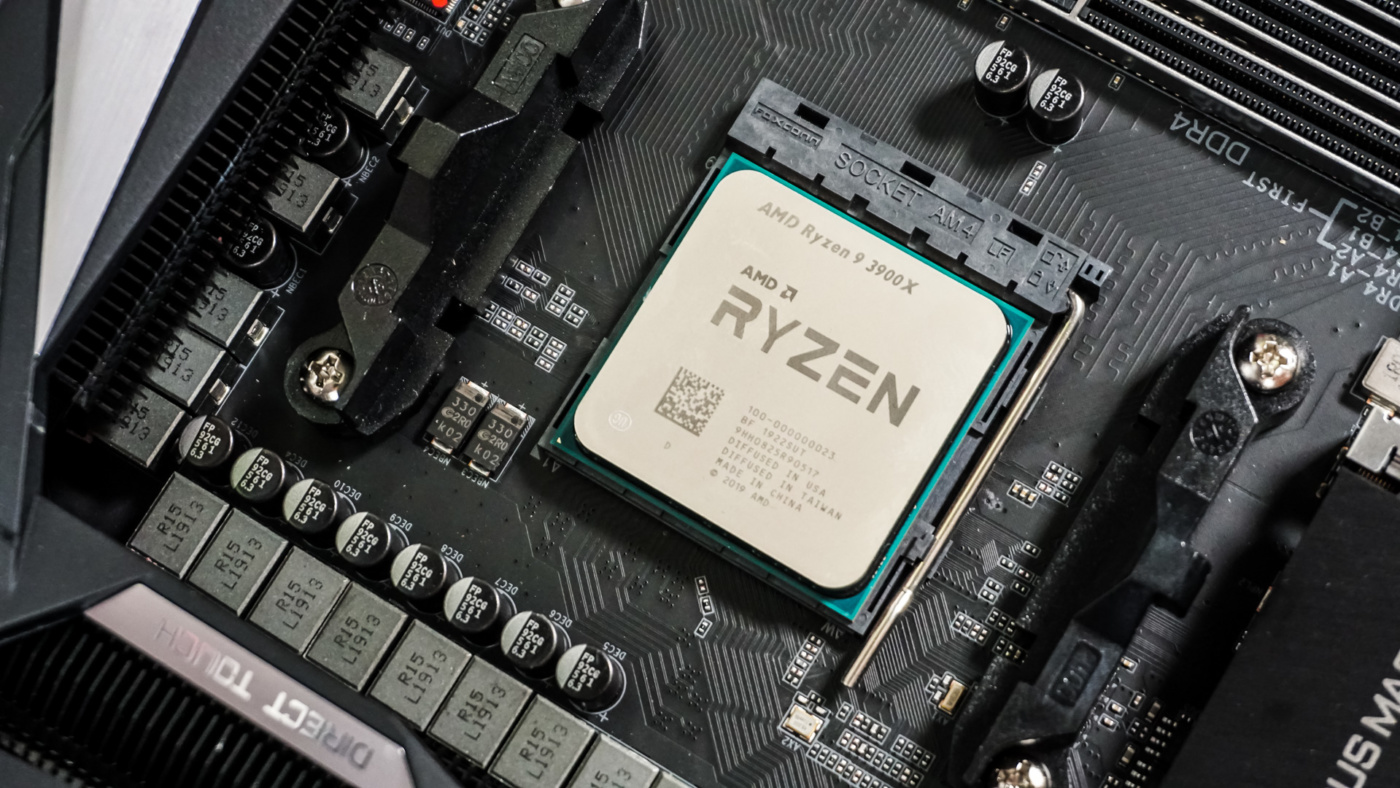
The recent discovery of the ‘Sinkclose’ vulnerability in AMD processors has raised serious alarms among tech enthusiasts and everyday users alike, as millions of legacy CPUs remain vulnerable and unpatched.
Short Summary:
- Newly uncovered Sinkclose exploit affects nearly all AMD CPUs since 2006, allowing malware to infiltrate critical firmware.
- AMD has committed to issuing patches for current 5000 and 7000 series processors but has excluded the widely-used 3000 series from updates.
- Experts warn that the best course of action for those affected may sadly involve replacing their systems.
The tech world has been rocked by the revelation of a substantial vulnerability affecting a broad spectrum of AMD CPUs, identified as “Sinkclose.” Researchers from the security firm IOActive, Enrique Nissim and Krzysztof Okupski, unveiled this alarming flaw at the DEF CON hacker conference, emphasizing its potential to compromise millions of devices globally.
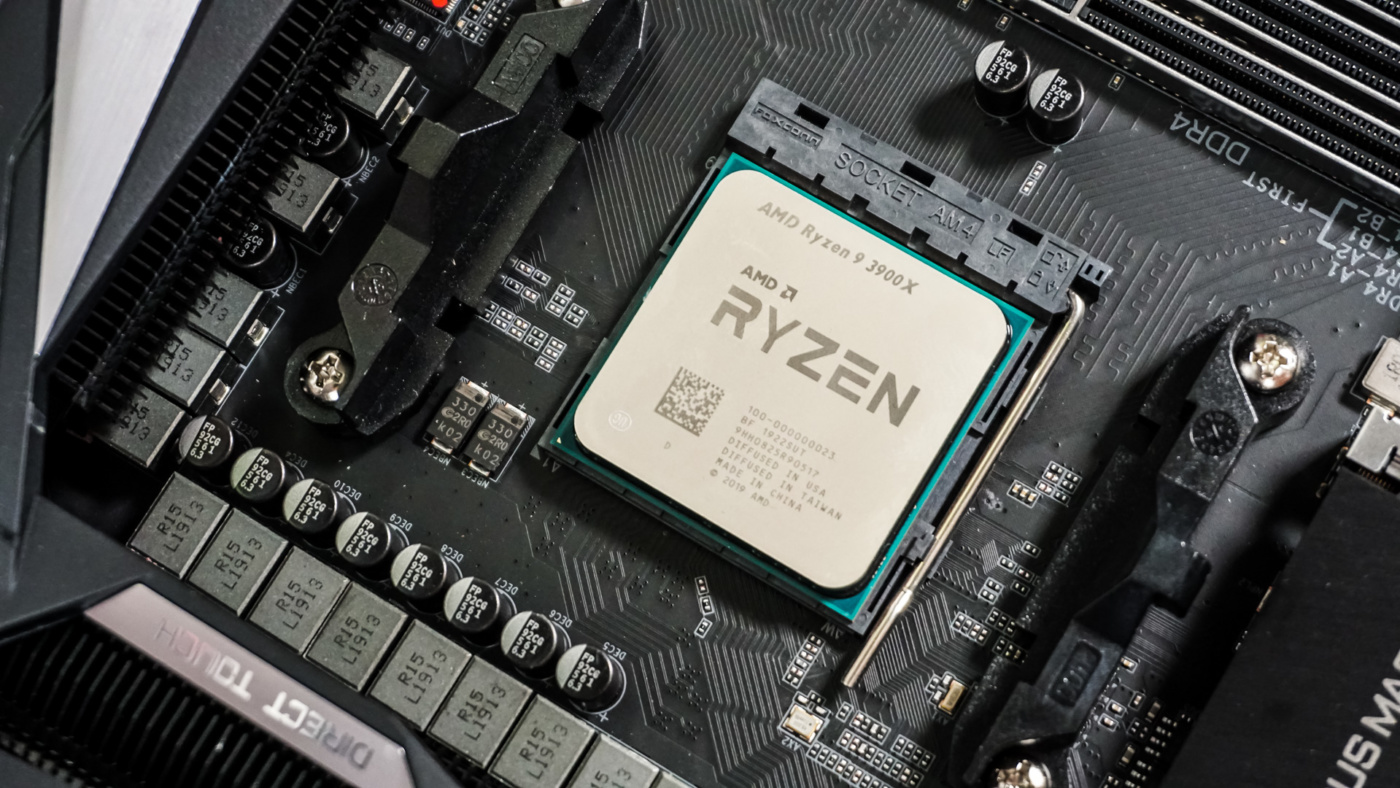
Sinkclose presents an unprecedented challenge, as it allows attackers to run unauthorized code deep within the System Management Mode (SMM) of an AMD processor. This privileged execution environment is essential for management functions like power control and hardware diagnostics, making it particularly sensitive. Once compromised, any malicious code operating at this level becomes virtually undetectable by standard security measures.
“Imagine nation-state hackers or whoever wants to persist on your system. Even if you wipe your drive clean, it’s still going to be there,” explains Krzysztof Okupski, warning of the exploit’s dire implications.
The technicalities behind Sinkclose are rooted in a historical oversight within AMD’s chips, dating back nearly two decades. Nissim and Okupski detailed that the vulnerability hinges on a misconfiguration with a feature called TClose, which allows for the manipulation of memory intended solely for System Management Use. This enables attackers, already possessing kernel access to the machine, to create a bootkit that embeds itself into the master boot record, effectively taking control of the system.
The Scope of the Problem
According to IOActive’s findings, the flaw reportedly affects nearly all AMD processors released since 2006, including the EPYC and Ryzen series, prompting widespread concern among users.
AMD has acknowledged these vulnerabilities and is actively deploying patches for its 5000 and 7000 series processors. However, the decision not to release updates for the more prevalent 3000 series has created a wave of disappointment and concern within the PC building community.
This exclusion from updates has left users of the 3000 series CPUs, such as the Ryzen 5 3600 or the Ryzen 7 3700X, vulnerable to potential exploitation. PC enthusiasts and gamers alike are urged to voice their concerns to AMD, potentially leveraging consumer protection laws for recourse in Europe and other regions.
Understanding the Inner Workings of Sinkclose
The Sinkclose exploit cleverly leverages SMM to bypass critical security features, allowing malware to gain control of the processor at its most fundamental level. Once embedded, traditional antivirus solutions are rendered ineffective against such deeply integrated threats. Much of the malicious activity is hidden from the operating system, making detection a significant challenge.
“You basically have to throw your computer away,” is how Nissim succinctly described the worst-case scenario for infected machines. This stark reality poses serious implications for businesses and individuals, especially those who rely heavily on AMD’s chips within enterprise-level environments.
Comparative Market Dynamics
As this vulnerability unfolds, it has highlighted a broader concern within the market dynamics of CPU manufacturers. AMD has made significant strides against its primary competitor, Intel, capturing 24.1% of server CPU shipments in Q2 of 2024—a notable increase from previous years. While Intel retains a larger overall market share, AMD’s growth trajectory indicates a shift in user trust and preference, particularly given the rising occurrences of security vulnerabilities.
AMD’s ongoing success has been met with mixed sentiments from the tech community. As users navigate the complexities of firmware updates and inherent vulnerabilities, it’s clear that the competitive landscape is more crucial than ever. AMD faces scrutiny not only for its response to security lapses but also for balancing innovation while addressing user safety and satisfaction in its products.

What Users Can Do
For users with affected AMD CPUs, the primary advice is to stay vigilant. Check for BIOS updates regularly, as these may contain important security patches released by motherboard manufacturers. It’s also wise to ensure antivirus solutions are continually updated, though many traditional solutions might struggle against the sophisticated malware that could thrive in the wake of Sinkclose.
For those with outdated processors, like the Ryzen 3000 series, measures remain limited but not entirely unavailable. Interested users should consider looking into potential consumer protection avenues, particularly in regions with stringent consumer electronics laws, or advocating for adequate response measures from AMD.
The Road Ahead
The Sinkclose vulnerability serves as a potent reminder of the essential interplay between hardware security and software protection. As technology evolves, so too do the methods employed by malicious actors. Cybersecurity is an issue that transcends industries; it’s critical for every tech enthusiast to remain educated on best practices.
Nissim reminds users, “If the foundation is broken, then the security for the whole system is broken.”
AMD’s future strategies will be scrutinized closely as they navigate the fallout from Sinkclose. With users eager for transparency and security, AMD must assure its community that it prioritizes the integrity of its processors.
Conclusion
As we continue to track the evolution of technology and the accompanying security concerns, vigilance becomes paramount for both AMD and Intel users. Keep your systems secure, follow recommended practices, and don’t hesitate to pursue recourse when vulnerabilities aren’t addressed adequately. As we reflect on the rapid advancements in technology, we must also commit to ensuring that those innovations do not come at the cost of our security.