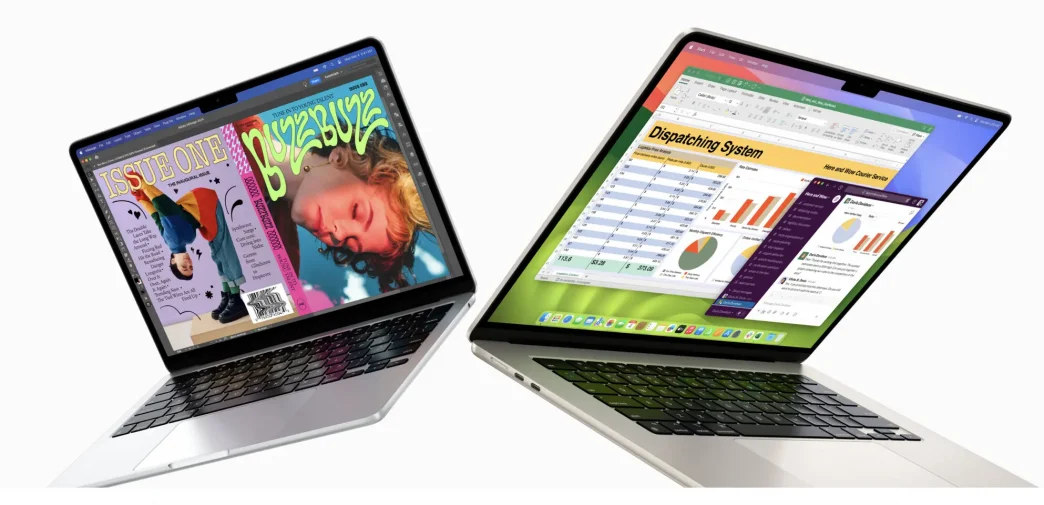
Apple has announced a significant delay in the release of its highly anticipated OLED MacBook Air, now scheduled for 2029 instead of the previously expected 2027. This decision comes in response to disappointing sales figures for the OLED-equipped iPad Pro models, which fell short of expectations.
Key Takeaways
- The OLED MacBook Air’s launch is postponed to 2029 due to poor iPad Pro sales.
- Apple will introduce oxide TFT LCD technology in the MacBook Air in 2027.
- The delay reflects Apple’s cautious approach to integrating costly OLED technology into its budget-friendly laptop line.
Background on the Delay
The delay of the OLED MacBook Air has been attributed to the underwhelming performance of the iPad Pro models that feature OLED displays. Apple had anticipated selling around ten million units of the iPad Pro but only managed to ship six million. This shortfall has led the company to reconsider its strategy for introducing OLED technology into its more affordable MacBook Air lineup.
Upcoming Display Technology
While the OLED display is off the table for now, Apple is not leaving the MacBook Air without upgrades. In 2027, the company plans to implement oxide thin-film transistor (TFT) LCD technology. This new display technology promises:
- Improved color accuracy
- Higher contrast ratios
- More uniform brightness
- Reduced power consumption
These enhancements will ensure that the MacBook Air remains competitive in the market without significantly increasing its price point.
Future Plans for OLED Technology
Despite the delay for the MacBook Air, Apple is still moving forward with its OLED plans for other products. The MacBook Pro models are expected to adopt a two-tandem OLED technology in 2026, which will utilize dual light-emitting layers for enhanced efficiency and durability. Samsung Display is anticipated to supply these high-end panels, marking a crucial step in Apple’s OLED roadmap.
Market Implications
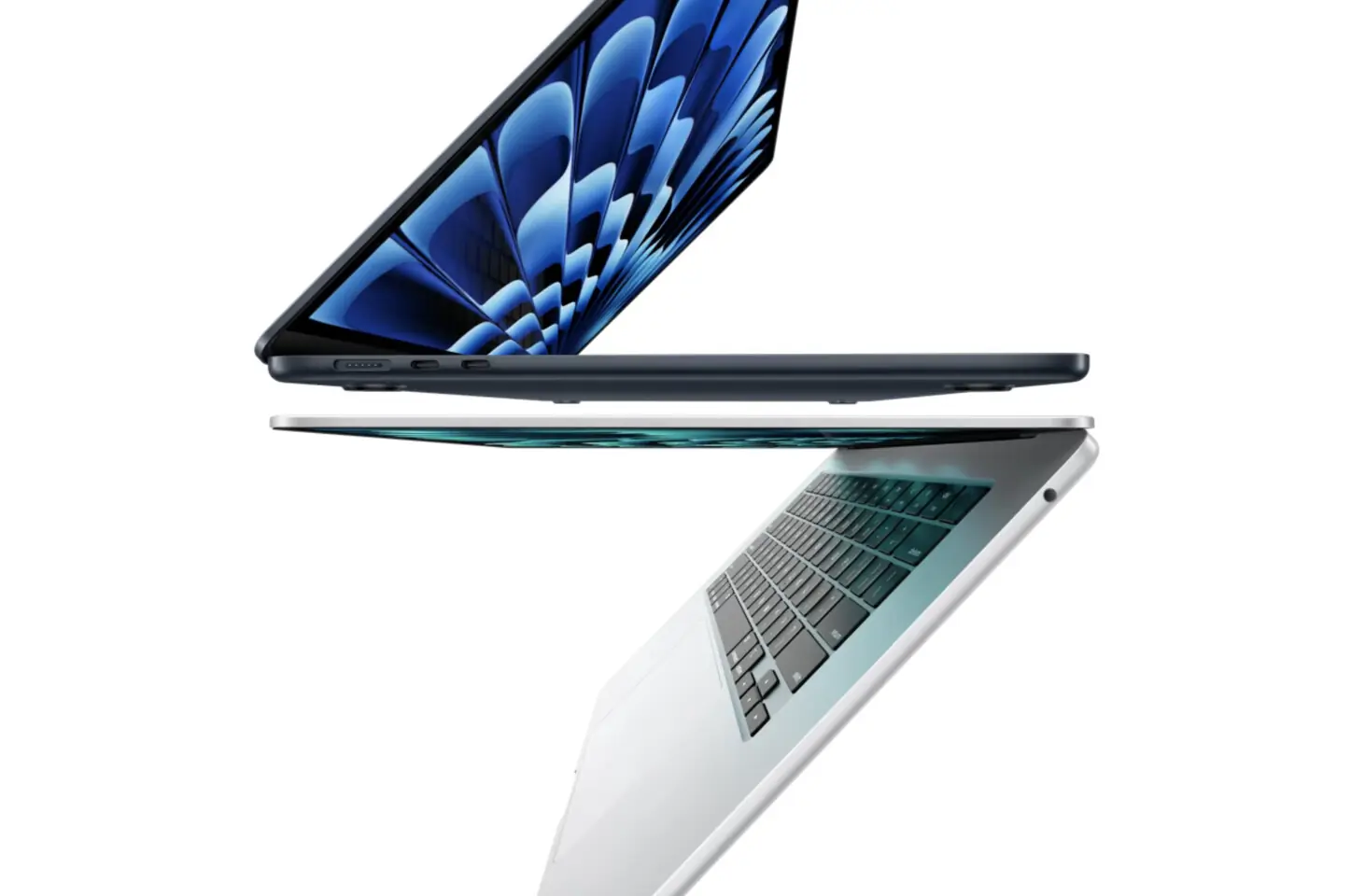
The MacBook Air has long been celebrated for its balance of performance, design, and affordability. With the current M3 MacBook Air models priced under $1,000, the device remains a popular choice among students and budget-conscious professionals. By delaying the OLED upgrade, Apple aims to maintain the Air’s reputation as a cost-effective option, avoiding potential disruptions to its market position.
Conclusion
As Apple navigates the challenges of integrating advanced display technologies, customers can expect incremental upgrades in the near future. The introduction of oxide TFT LCDs in 2027 and the upcoming M4 MacBook Air models will provide users with improved performance and features, while the OLED MacBook Air remains a long-term goal for the tech giant.
Via WCCFtech