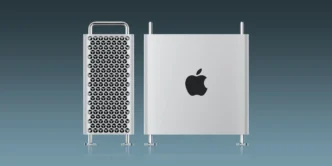
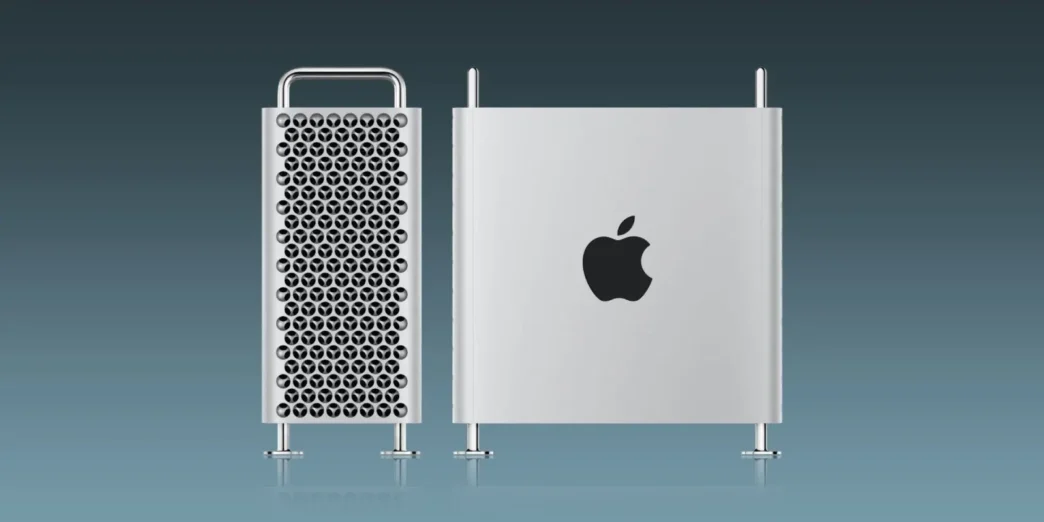
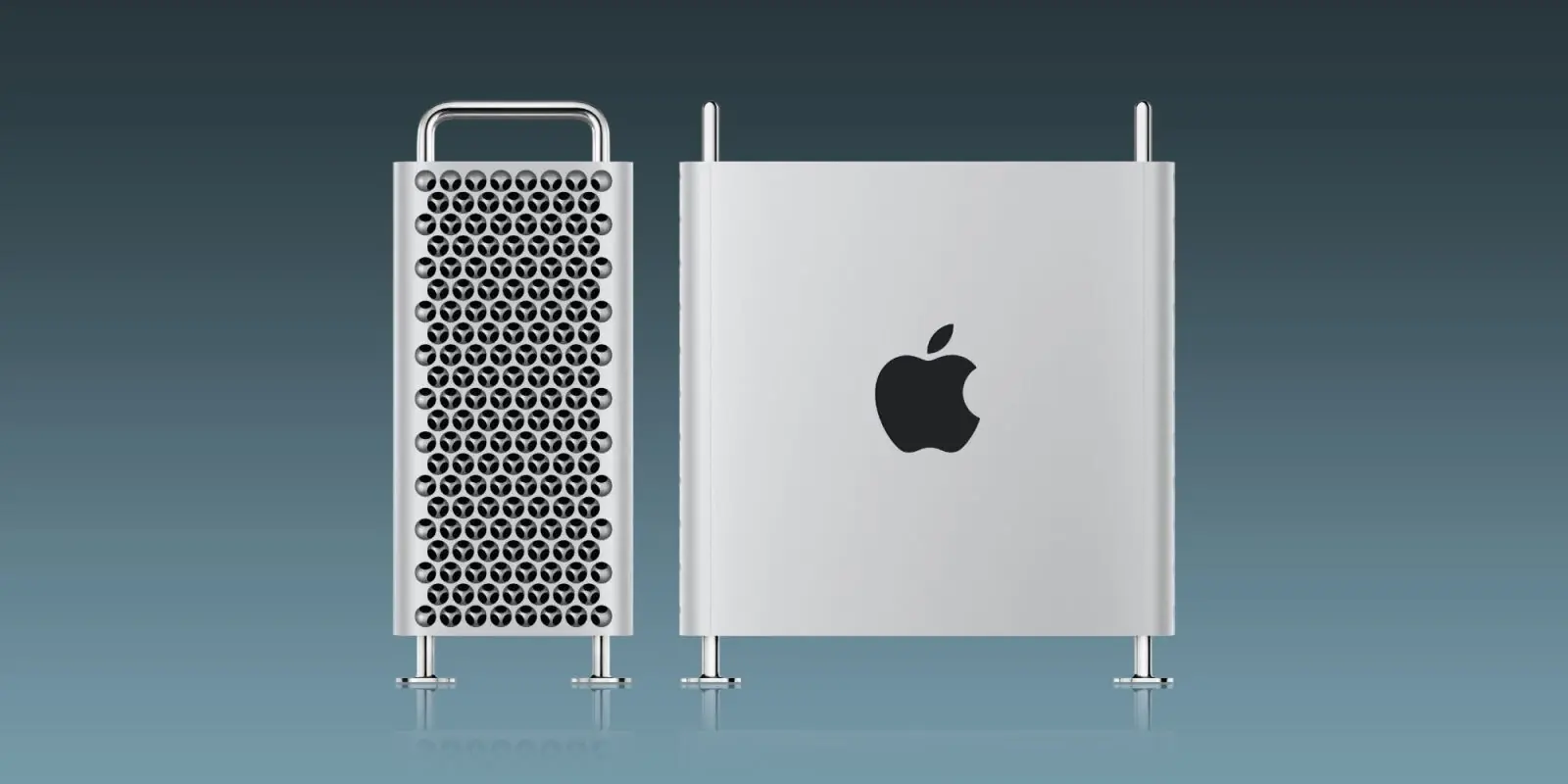
Apple has officially discontinued the Mac Pro, marking the end of an era for its most expandable desktop computer. The iconic “cheese grater” tower, last updated in 2023 with the M2 Ultra chip, has been removed from Apple’s website, signaling a definitive shift in the company’s professional desktop strategy. This move solidifies the Mac Studio as Apple’s premier workstation, now equipped with more advanced M-series chips.
Key Takeaways
- The Mac Pro has been discontinued, with no future hardware planned.
- The Mac Studio is now Apple’s flagship professional desktop.
- The Mac Pro’s last update was in 2023 with the M2 Ultra.
- Apple’s current desktop lineup includes the iMac, Mac mini, and Mac Studio.
The End of an Icon
The Mac Pro, a machine that has served professionals for years, has been retired. Its last iteration, introduced in 2019 with an industrial design and later updated with Apple’s M2 Ultra chip in June 2023, had been in stasis. This was particularly evident as the smaller Mac Studio received updates with newer M3 Ultra and M4 Max chips.
The discontinuation comes as no surprise to many, given the Mac Pro’s aging hardware and the increasing capabilities of the Mac Studio. The Mac Studio, introduced in 2022, has increasingly become the go-to for high-performance tasks, offering configurations with the M3 Ultra and M4 Max chips, and is expected to receive further upgrades.
A Shift in Professional Computing
Apple’s decision to discontinue the Mac Pro appears to be a strategic move to streamline its professional offerings. The Mac Studio now stands as the pinnacle of Apple’s desktop performance, capable of being configured with advanced M-series chips, substantial unified memory, and extensive SSD storage. This focus allows Apple to concentrate resources on developing and refining its more popular and adaptable professional machines.
The Mac Pro’s unique selling proposition had been its internal expansion capabilities, particularly its PCIe slots, which appealed to a niche group of professionals needing specialized add-in cards. However, with the transition to Apple Silicon and the advancements in Thunderbolt 5 technology, external connectivity and modular solutions have become increasingly viable alternatives. The ability to connect multiple Macs via Thunderbolt 5 for pooled resources further diminishes the need for the Mac Pro’s traditional expandability.
Apple’s Evolving Desktop Lineup
With the Mac Pro out of the picture, Apple’s desktop Mac lineup now consists of three primary models: the 24-inch iMac, the Mac mini (available with M4 and M4 Pro chips), and the Mac Studio. This streamlined approach offers a range of options catering to different user needs and price points, from everyday computing to the most demanding professional workflows. The company’s laptop offerings also remain robust, including the MacBook Neo, MacBook Air, and MacBook Pro.
While some long-time Mac Pro users may lament its departure, the move signifies Apple’s commitment to pushing the boundaries of performance and efficiency with its in-house silicon. The Mac Studio, with its continuous updates and powerful configurations, is poised to carry the torch for Apple’s most demanding professional users.
Via 9to5Mac