In recent decades, there has been a spike in the growth of the entertainment industry on a scale that wasn’t imaginable in the past. While movies and television were at the forefront of the entertainment industry, these days, Gaming and iGaming are taking over. While these industries are often put in the same basket, they differ in various unique features and audiences they target. On the other hand, they also share many commonalities that put them into the entertainment branch. In this article, we will discuss their similarities, differences, and more.
Defining Gaming and iGaming
The first important thing to know is that these two branches of entertainment are interchangeable. Yet, despite that, we’re talking about two very different things. Those who learn to recognize their distinctions are those who understand how these industries operate and keep evolving.
Traditional Gaming
The funny part is that we can leave the meaning of Gaming out to the younger audience. We’re talking video games, consoles, and that sort of entertainment. These days, we have single-player and multiplayer games, those played on PCs and on Xbox and PlayStation, with mobile Gaming being a branch of its own. Many folks engage in games that require role-playing, are tied to sports, or are simple action and adventure games. Gaming’s main focus lies on the entertainment part and skill development. Players can immerse themselves in fantasy worlds through many games and compete against other players or AI. The end game of every game is to have fun, master the game, and make social connections.
Online Gaming (iGaming)
iGaming is a different beast from regular Gaming. The interactive side of Gaming usually refers to activities such as gambling. iGaming means playing poker, roulette, blackjack, or slots at an online casino. In essence, all online casino games, together with all forms of sports betting, fall into iGaming. iGaming focuses on wagering real money and chasing prizes and rewards in the form of cash instead of competing to cross levels or beat an opponent.
In most cases, iGaming requires a bit of skill, some strategy, and, above all else, luck. That’s right; most iGaming games are games of chance. iGaming is a regulated industry on various digital platforms and has games provided by licensed live casino software providers such as live88.io.
Key Trends in Gaming
As we already mentioned, Gaming has come a long way in the last two decades compared to the old days and arcade machines. Its future has yet to be decided, and its current shape is based on a few modern trends. Here, we’re going to talk about them.
Console and PC Gaming Growth
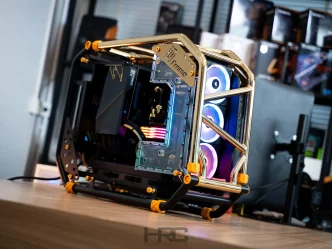
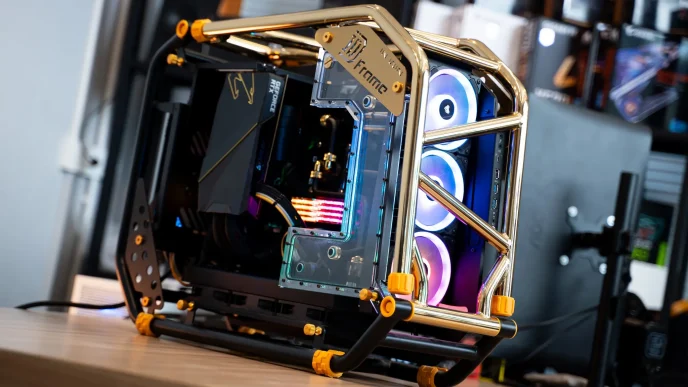
Like some years ago, the pillars of the gaming industry are consoles and PCs. Every few years, we receive new and far superior hardware, such as PlayStation 5 or various superb PC gaming stations with high-end GPUs enabled by realistic graphics and gameplay that improve as we move on with tech advancements. These platforms have vast potential, best seen through AAA titles such as The Last of Us Part II or Cyberpunk 2077.
Also, we should pay attention to multiplayer games such as Call of Duty or League of Legends, which create connectivity between players from all corners of the globe. Furthermore, you have high-end competitive Gaming in eSports, which has taken Gaming to another level and created a worldwide phenomenon. Lastly, modern Gaming is plagued, in a positive manner, by sponsorships, rewards, and prizes, streaming on Twitch and Kick, giving an industry momentum that can be compared to the French Revolution.
Mobile Gaming Popularity
Mobile Gaming is growing faster than marijuana as a gaming sector. The reasons are simple, and you probably know the answer—smartphones. They’re everywhere, and modern configurations in our mobile devices allow us to play even the most demanding games. Some of the most popular mobile games include titles such as Genshin Impact or Candy Crush Saga.
Another aspect that enabled the massive growth of mobile Gaming is the microtransactions in these games, free-to-play models, in-game advertisements, and various social features that will allow creators to monetize their work. Mobile Gaming is spreading like wildfire due to its accessibility and convenience. Because of everything we said, mobile Gaming is one of the key cogs in the growing gaming industry.
Key Trends in iGaming
We don’t even have to tell you that the iGaming sector is booming, too. Like standard Gaming, it is driven by new tech solutions and consumer habits. The following trends define iGaming today.
Rise of Online Casinos
After a particular pandemic, and we do not want to even speak its name, gambling has moved online in numbers never seen before. Today, we have everything we need to gamble online. There are simple websites for fully immersive casino experiences, and all can be found online. Players who love this type of entertainment can enjoy their favorite games, such as poker, slots, blackjack, or roulette, from the warmth of their homes. In the future, we expect virtual reality casinos to become the norm, making the whole online casino experience an even better form of entertainment.
While online gambling has been around for a while, its further development was the introduction of laxer laws in many parts of the world. Furthermore, the widespread Internet and mobile devices aided in creating this phenomenon. Today, online casinos have a variety of games in their catalog. They are more than convenient for players, making them the staple of iGaming and appealing options as a form of entertainment for millions of individuals worldwide.
Mobile and Live Dealer Games
As we said, mobile devices are the fuel that drives today’s iGaming. The best part is that they can be used for traditional and iGaming. Mobile betting apps allow us to wager anytime, anywhere. Also, we have live dealer games, making the experience of online casinos genuinely immersive. Nowadays, players can interact with live dealers, making them feel like they are playing in a real casino. The social element is essential to casino-goers, and with live video streams, this element was added. The gap between real-life and online casinos was blurred as 5G and HD streaming made the former obsolete.
Common Ground Between Gaming and iGaming
Where there are differences, there are similarities, too. iGaming and standard gaming share a few key elements. When you see the commonalities, you will notice how iGaming and gaming shape the future of entertainment together.
Technological Advancements
Just how reliant these entertainment branches are on technology can’t be understated. Today, when VR, AR, and AI enter through the main door, the user experience will only improve. Games are now more realistic than ever, offering immersive worlds, better graphics, faster transactions, and more safety and security. For iGaming, blockchain really became a game changer. Add cloud gaming to the mix, and you get a winning formula that benefits both iGaming and gaming alike.
Player Engagement and Experience
With loyal fan bases, both sectors would be present. User engagement is key to the success of gaming and iGaming. Gaming relies on games with compelling stories and multiplayer options for user retention. iGaming, on the other hand, keeps users at bay with live interaction, personalized offers, and bonuses, on top of immersive games with players wanting more. Of course, prizes need to be monetary in the first place for iGaming to work. Both spheres apply techniques such as leaderboards and achievements to engage competitiveness and keep players active on platforms.
Contrasting Differences
Common ground exists, but so are the differences. The characteristics that place them in different corners of the octagon are those below.
Regulation and Compliance
The most significant difference is regulation. iGaming can only operate with strict rules. Money and gambling should never be left unattended, and a regulated environment is fertile soil for success. Depending on the country, strict laws protect both the providers and the players. Providers must obtain operational licenses and adhere to the rules of their home country.
Gaming is on the opposite side of regulations. It’s less regulated, and developers can release their games with little to no restrictions. Yes, there are some gray areas, such as loot boxes and microtransactions, in some games, but those will be addressed in the future.
Revenue Models
Revenue is another big difference between iGaming and gaming. Gaming makes money from selling games, subscriptions, and in-game purchases. iGaming relies on player retention and the money players are prepared to wager regularly. Casinos and sportsbooks take cuts of all wagers, better known as the house edge.
Both have dynamics on which they operate. Also, their audiences are diverse. When you account for iGaming’s age restrictions, iGaming caters to different age demographics. Also, gaming requires players to develop playing skills and creativity and only wants to provide entertainment, while iGaming has a chance present, and with real money stakes, strategy matters too. As technology evolves, this sphere will be brought closer together while also providing differences to attract demographics of their own while continuing to provide everyone with top-notch entertainment.