



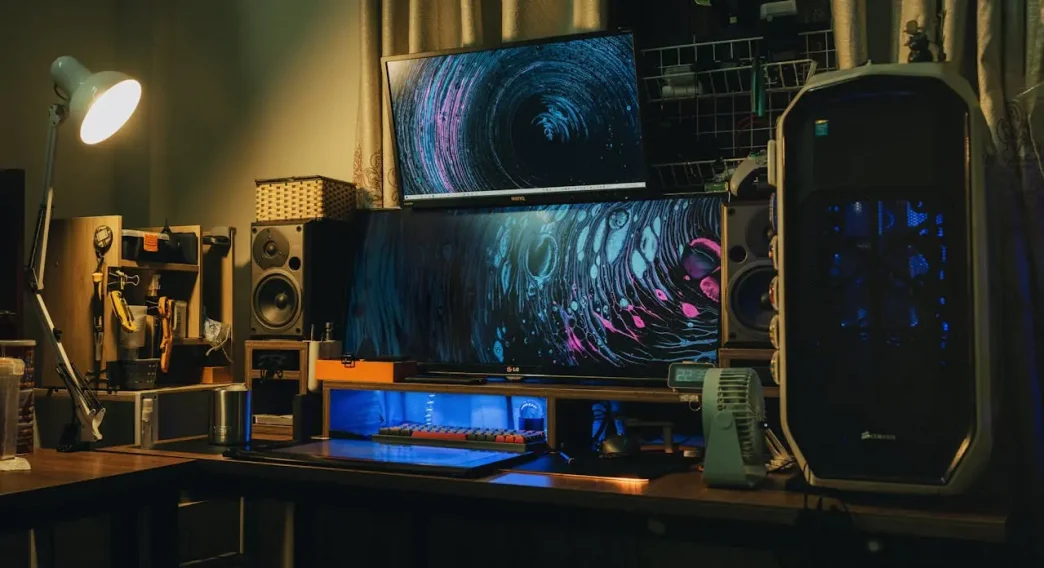
At one time, just about any computer could muster up the strength to run a PC game through a CD or even ones that were preloaded, like the Windows classics of old. Still, gaming is a very tech-centric form of entertainment. Gaming essentially evolves in line with technological improvements. In home console gaming, for example, developers are only limited by the capacity of the hardware of PlayStations and Nintendo consoles.
In PC gaming, it’s always been possible to see the potential of the computer, which evolved far faster and more fluidly than in console gaming. Over the years, any line of gaming entertainment that has sought to capitalize on the best potential hardware or just the connectivity of the internet have built up alongside PCs. Although, it was only recently that gaming grade graphics processing units defined that differentiate a gaming PC from the rest.
Adapting with the Rise of PC Gaming
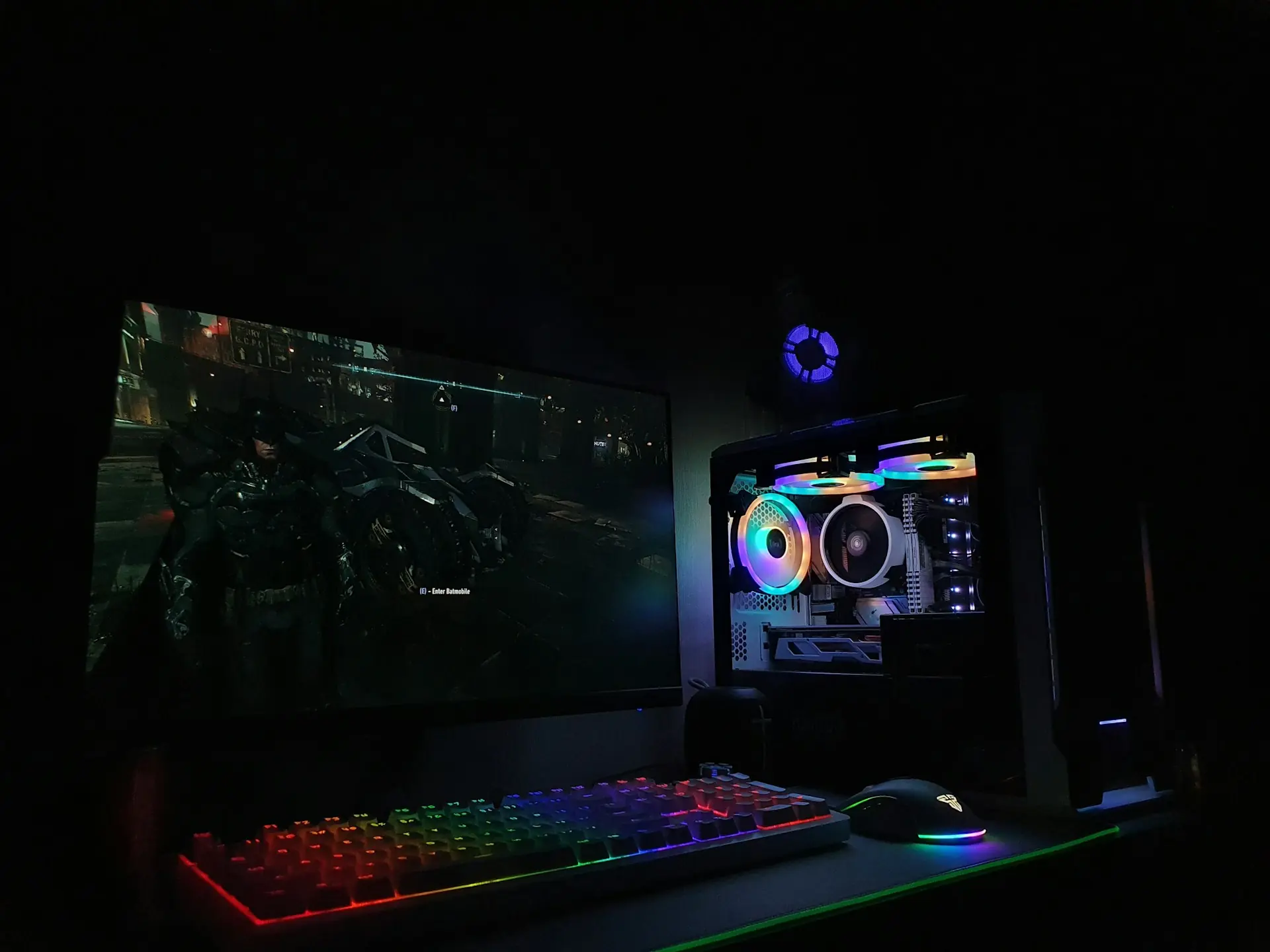
As PC gaming began to bubble up throughout the 1990s, many other forms of entertainment recognized the potential of being accessed by computers and, particularly, the internet. Easily the most closely aligned example among these adaptable forms of entertainment would be online casino gaming.
It wasn’t until 1994 that the first online casino software was published, but once it was, developers started to pile in. Online casino games were part of a massive cohort of browser-based games, most of which made use of Adobe Flash for their foundations.
Later, it was HTML5, which enabled all of the popular casino games to feature even better graphics, play well on mobile, and run far more expansive experiences than before. Most recently, the evolution has been to embrace live streaming to enhance table games and turn slots into live game shows.
A Similar Path to Modern PC Gaming
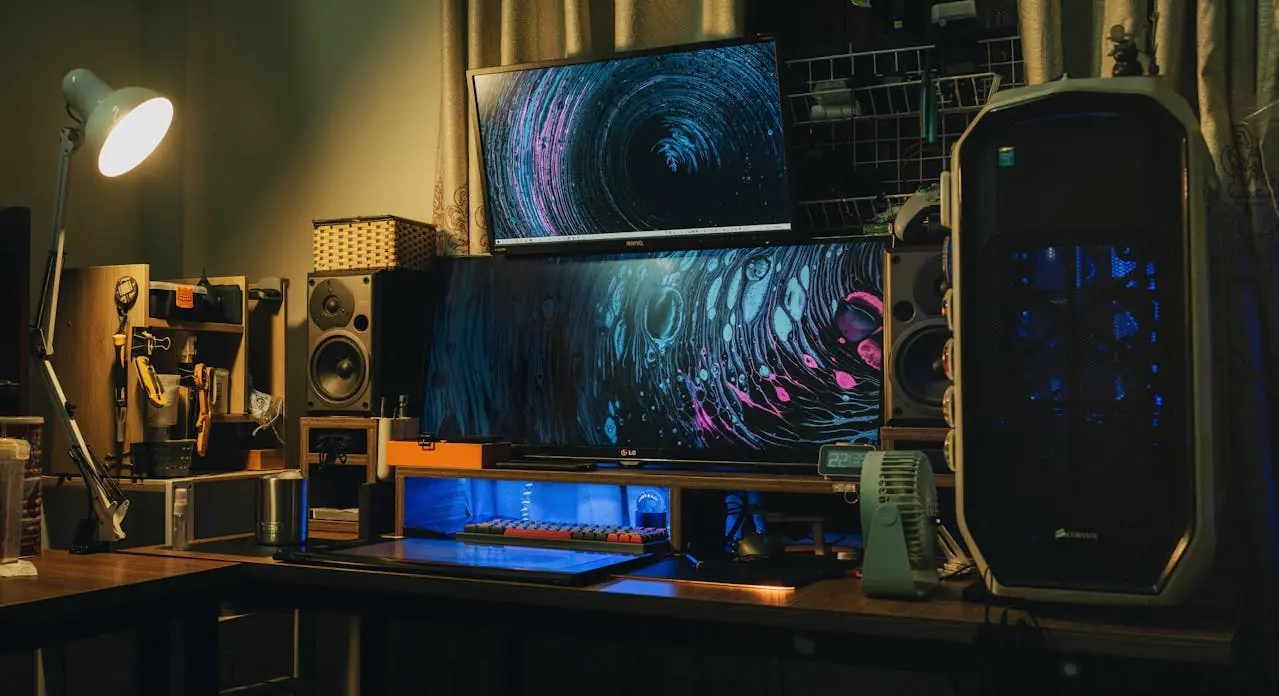
The original emergence of computer gaming and home computers with an eye on gaming came in the late 1970s and particularly through the 80s. Personal computers became more accessible, and with them, there was a chance for creatives to sell games.
The Commodore VIC-20, for example, helped to bolster the ability of computers to run games while also making the tech more accessible. As computers evolved, developers were able to build out their creations. From the likes of RNG classic card games and text-based adventures, soon came the more expansive, 3D games that took gaming by storm on home consoles and PC in the 1990s.
Future developments in gaming track the upgrades made to key pieces of hardware in PCs, such as to graphics cards, storage, RAM, and other processor units. A swathe of games today are built on and for the highest-tier of commercial computer hardware. From there, the setting scan be toned down to be less taxing on PCs that aren’t quite top-of-the-line.
The latest pivot in top-tier gaming technology has been with VR. Valve’s Index is the premier product in this arena right now, but it does require some good hardware to run many of its experiences. So, the recommendations point to having at least 16GB RAM, 1TB of HDD and SSD, a whole host of USB ports, an Nvidia RTX 3060, and the 6-core AMD Ryzen 5 5600G.
As better PC hardware is developed, better games can be made within the higher ceiling. So, the commercial space of gaming PCs will constantly be shifting into a more advanced place as the bracket of what is high, mediocre, and low-quality gaming tech advances.


