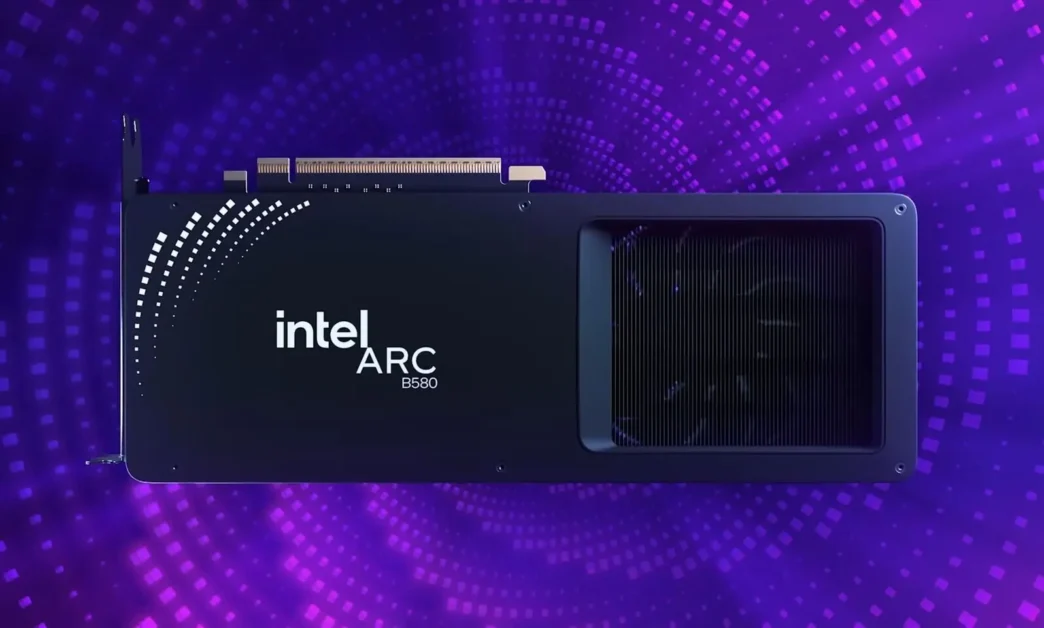
Intel’s discrete Arc GPUs have officially captured 1% of the add-in board (AIB) market, a significant milestone since their launch. This achievement, reported by Jon Peddie Research (JPR), marks the first time Intel’s discrete graphics cards have registered a notable presence in market share reports, moving beyond a negligible percentage.
Key Takeaways
- Intel Arc discrete GPUs have reached 1% market share in the desktop add-in board (AIB) market.
- This is the first time Intel has achieved a single-digit percentage in discrete GPU market share.
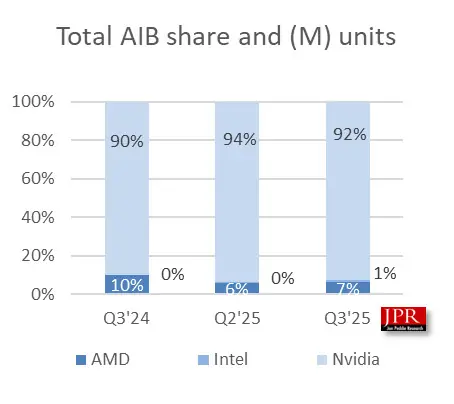
- AMD’s market share increased to 7%, while NVIDIA holds a dominant 92%.
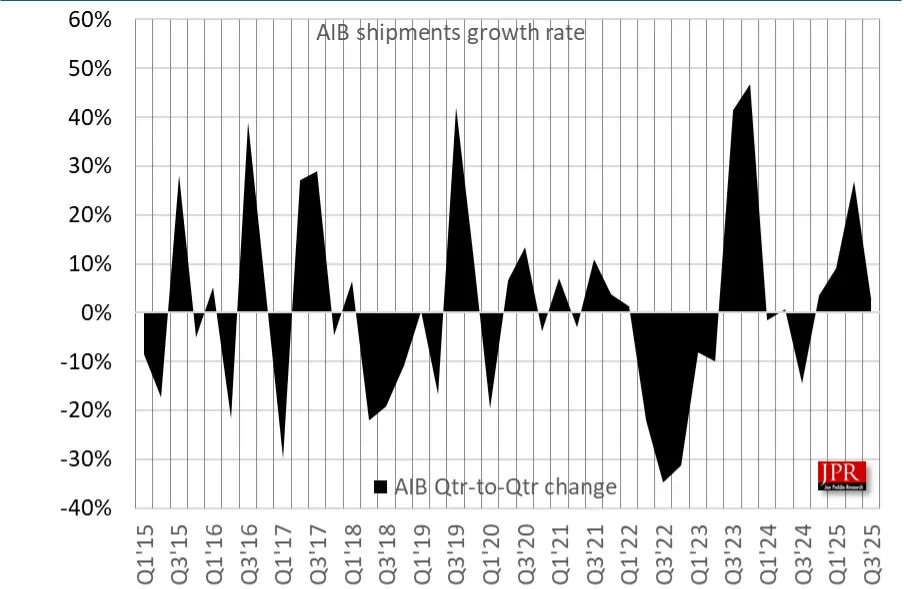
- The overall AIB market saw a 2.8% quarterly growth, but JPR projects a slight annual decline.
A New Contender Emerges
For years, Intel has been a dominant force in integrated graphics, but its foray into the discrete GPU market with the Arc Alchemist series has been a gradual process. The recent JPR report indicates that Intel has finally broken through the 0.5% mark, reaching a full 1% of the discrete GPU market. While this share is minuscule compared to the 99% held by NVIDIA and AMD, it represents a crucial psychological and market validation for Intel’s ongoing investment in this competitive space.
Market Dynamics and Competitor Performance
In the third quarter of 2025, the discrete GPU market experienced a modest 2.8% sequential growth, with total AIB shipments reaching 12.02 million units. NVIDIA continues to lead the market with 92% share, despite a slight decrease of 1.2% from the previous quarter. AMD saw its market share climb to 7%, an increase of 0.8 percentage points. These shifts are often influenced by factors like product availability, pricing strategies, and inventory adjustments by add-in board partners.
Future Outlook and Challenges
Despite the recent gains, the discrete GPU market faces a projected compound annual growth rate of -0.7% through 2029, according to JPR. The installed base is expected to reach 152 million units by then. Dr. Jon Peddie, president of JPR, advises cautious optimism due to ongoing socioeconomic turbulence and inflationary pressures. Furthermore, anticipated increases in GDDR memory prices could impact future market dynamics. For Intel, maintaining and growing this 1% share will require continued product development and strategic market penetration, potentially challenging the established duopoly of NVIDIA and AMD.
Via JPR