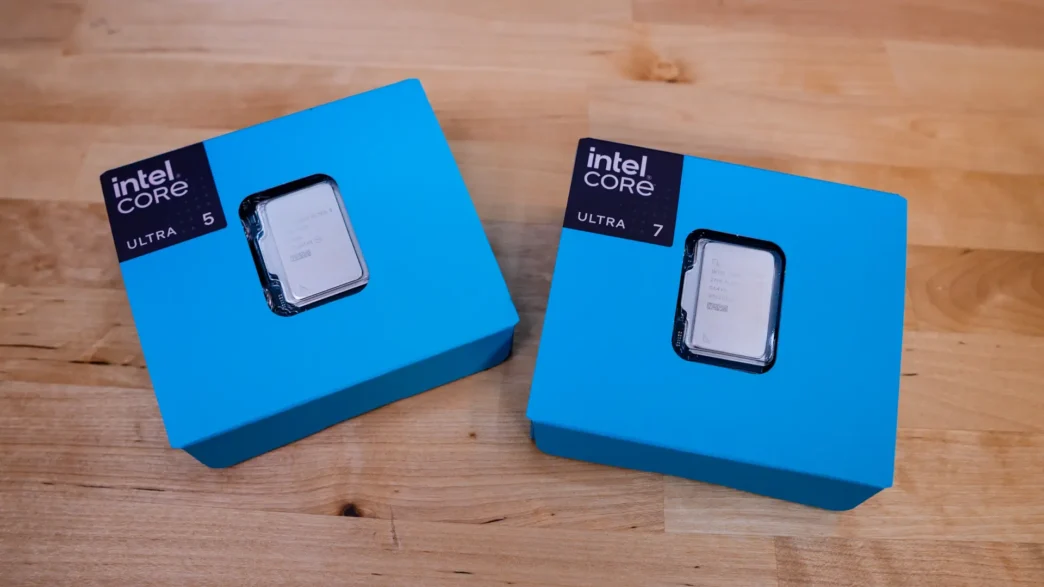
Synthetic Tests / Benchmarks on the Intel Core Ultra 7 270K Plus & Intel Core Ultra 5 250K Plus
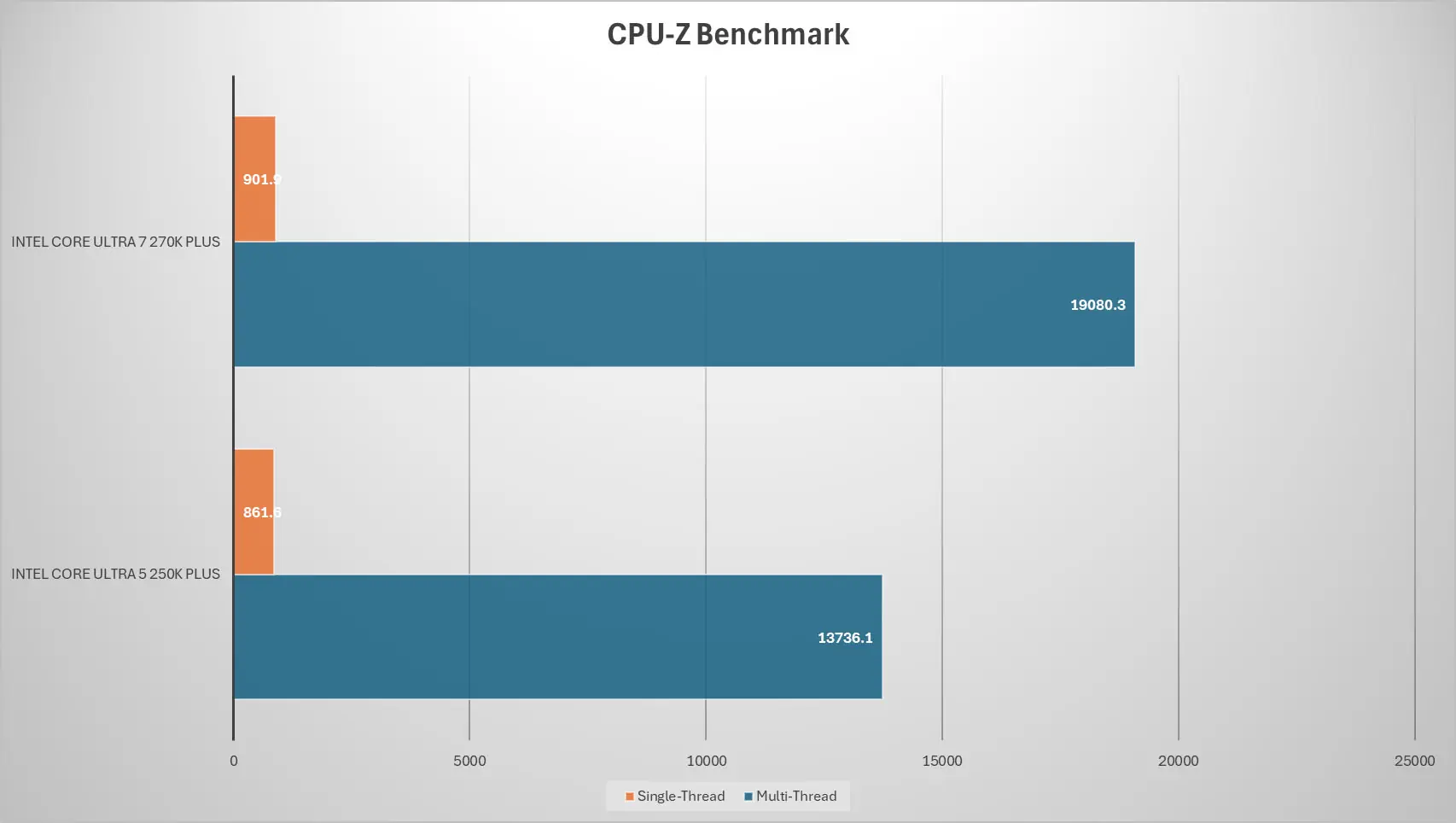
CPU-Z Benchmark is a built-in performance testing tool within the CPU-Z software that measures a processor’s capabilities by evaluating both single-threaded and multi-threaded performance. It runs a series of calculations to determine how efficiently a CPU handles tasks, then assigns a score that can be compared against other processors in its database.
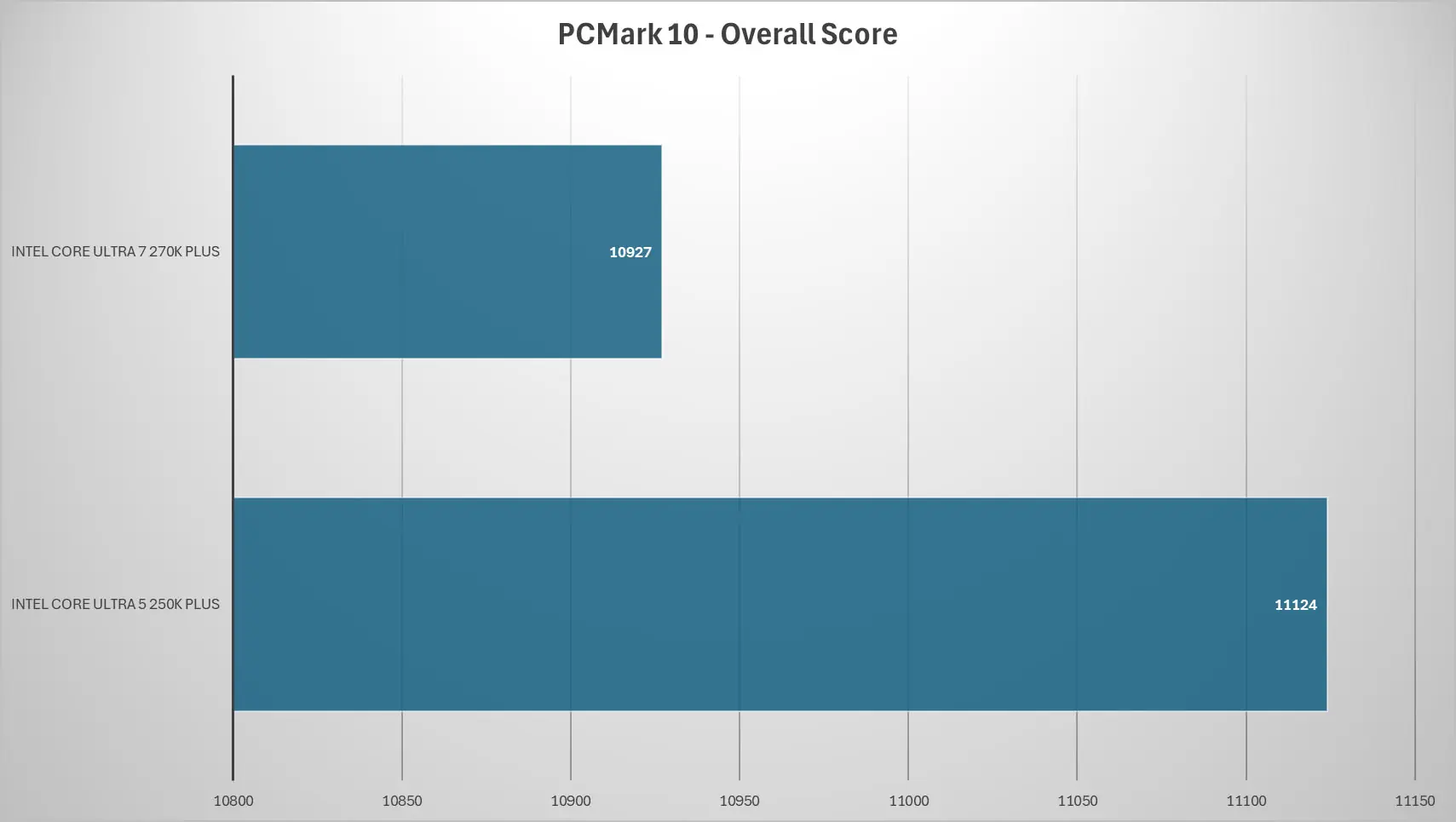
PCMark 10 is a comprehensive benchmarking tool developed by UL Solutions that evaluates a computer’s overall performance using real-world tasks rather than synthetic workloads. It tests everyday activities such as web browsing, video conferencing, app startup, photo editing, and document creation to produce a balanced score that reflects typical usage.
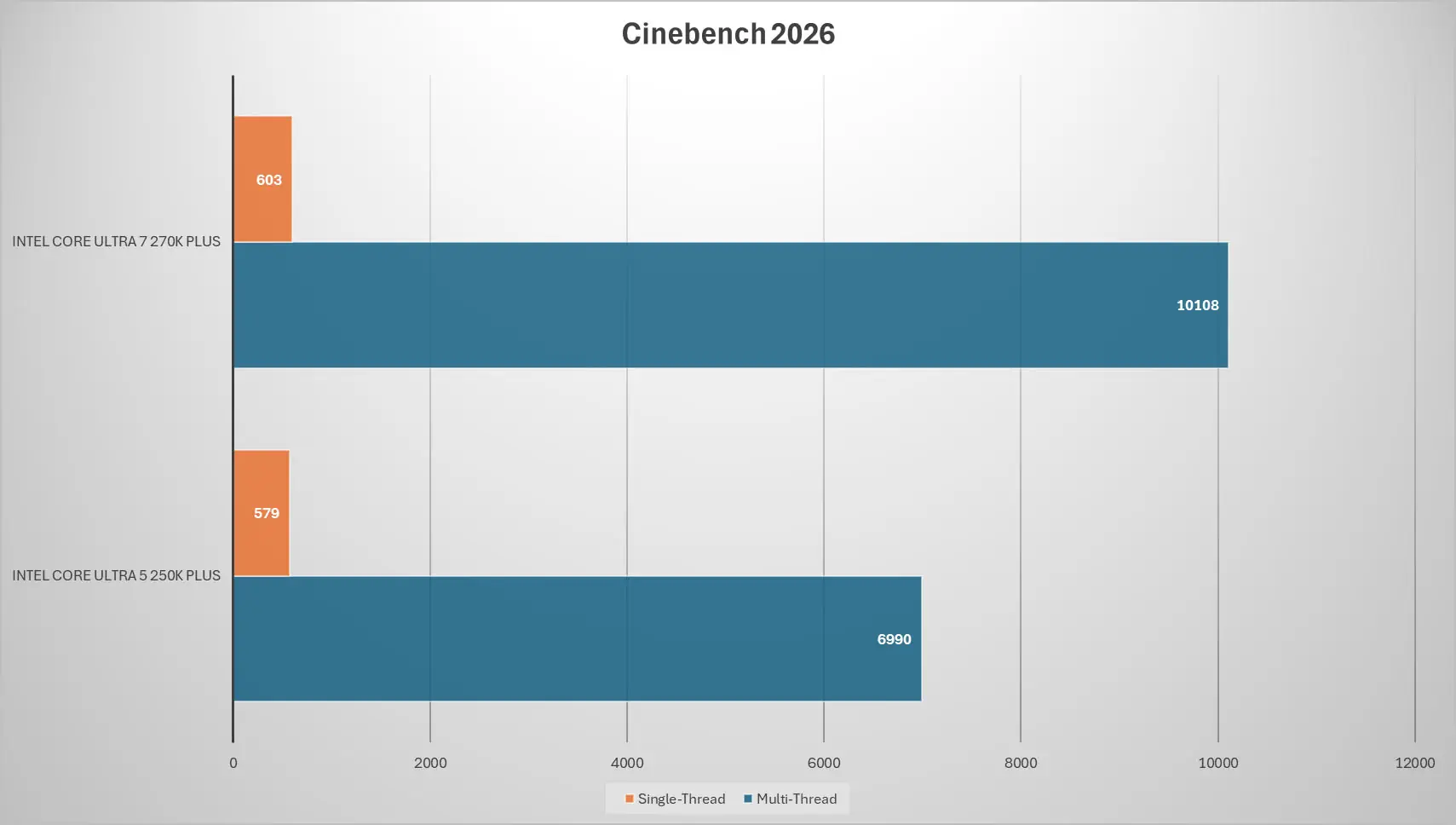
Cinebench 2026 is a CPU benchmarking tool developed by Maxon that measures a processor’s rendering performance using the same engine behind its professional 3D software. It evaluates both single-core and multi-core capabilities by simulating complex rendering tasks, producing scores that reflect how well a system handles demanding workloads like 3D modeling, animation, and visual effects.
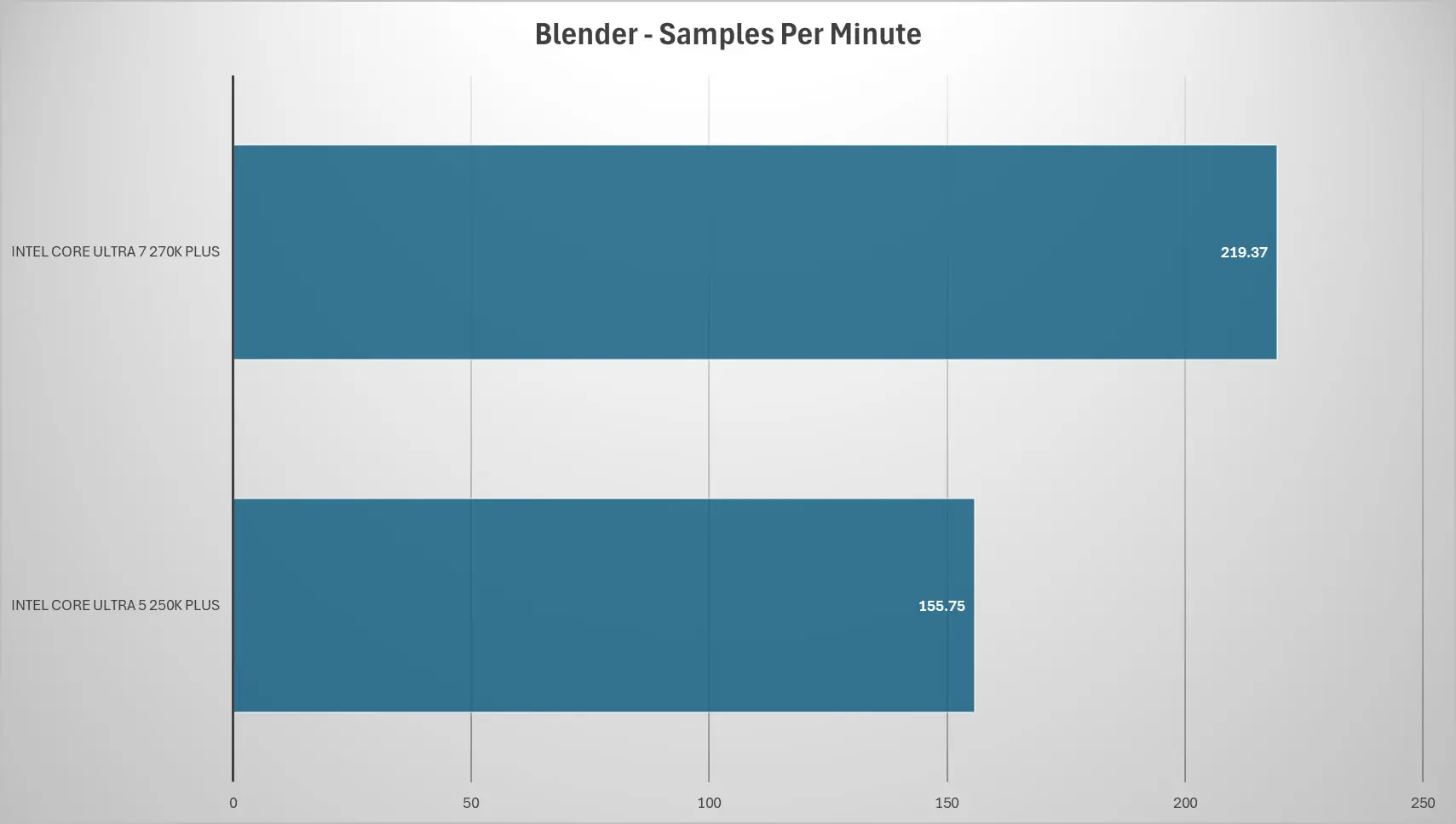
The Blender Benchmark is a performance testing tool based on Blender that measures how efficiently a system handles 3D rendering tasks. It runs a series of standardized scenes and records how quickly the CPU or GPU can complete them, producing scores that reflect real-world performance in animation, visual effects, and 3D modeling workflows.
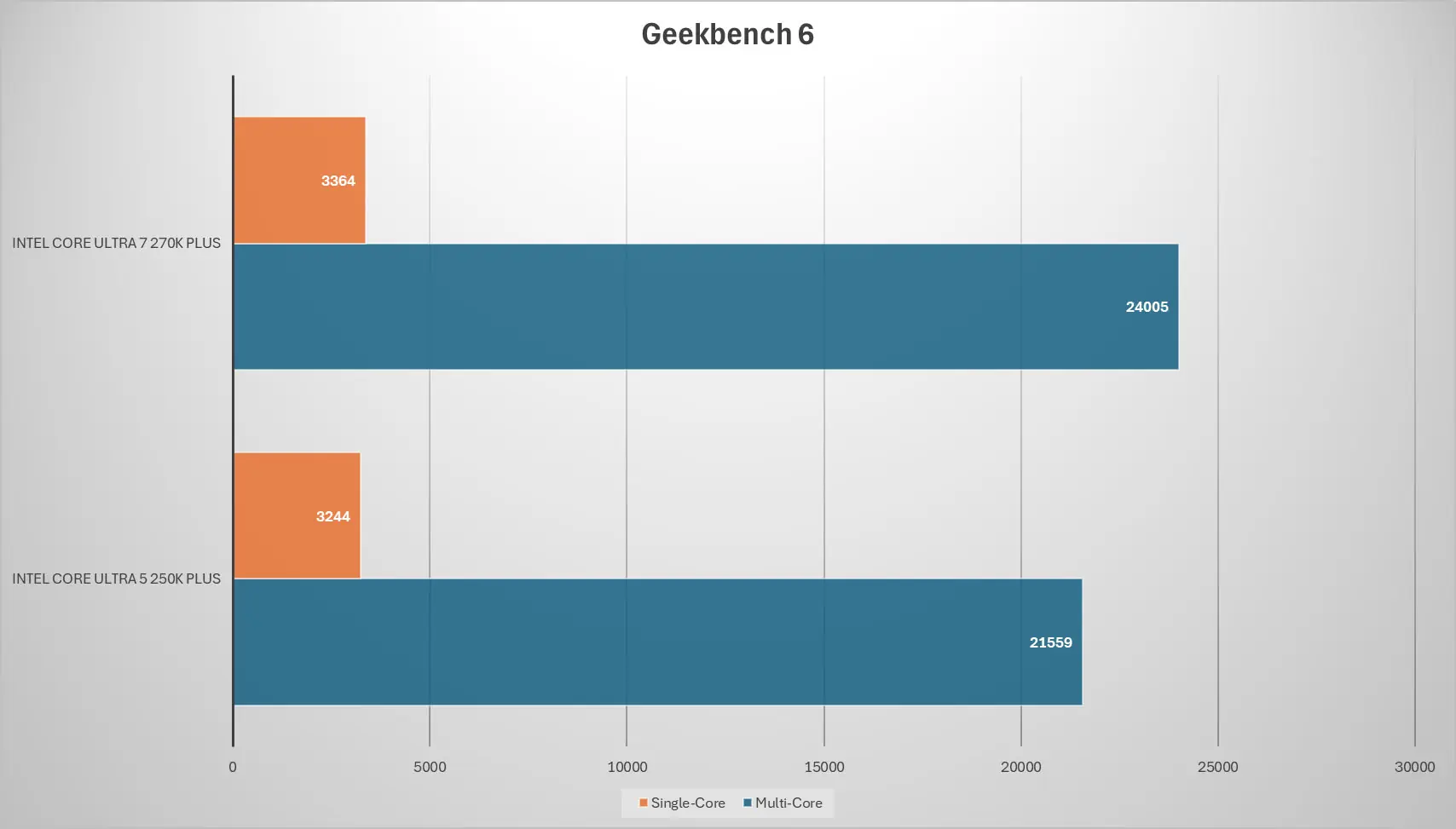
Geekbench 6 is a cross-platform benchmarking tool developed by Primate Labs that evaluates a system’s overall CPU performance through a variety of real-world inspired workloads. It measures both single-core and multi-core capabilities using tasks such as image processing, machine learning, and data compression, then assigns scores that are easy to compare across different devices and operating systems.
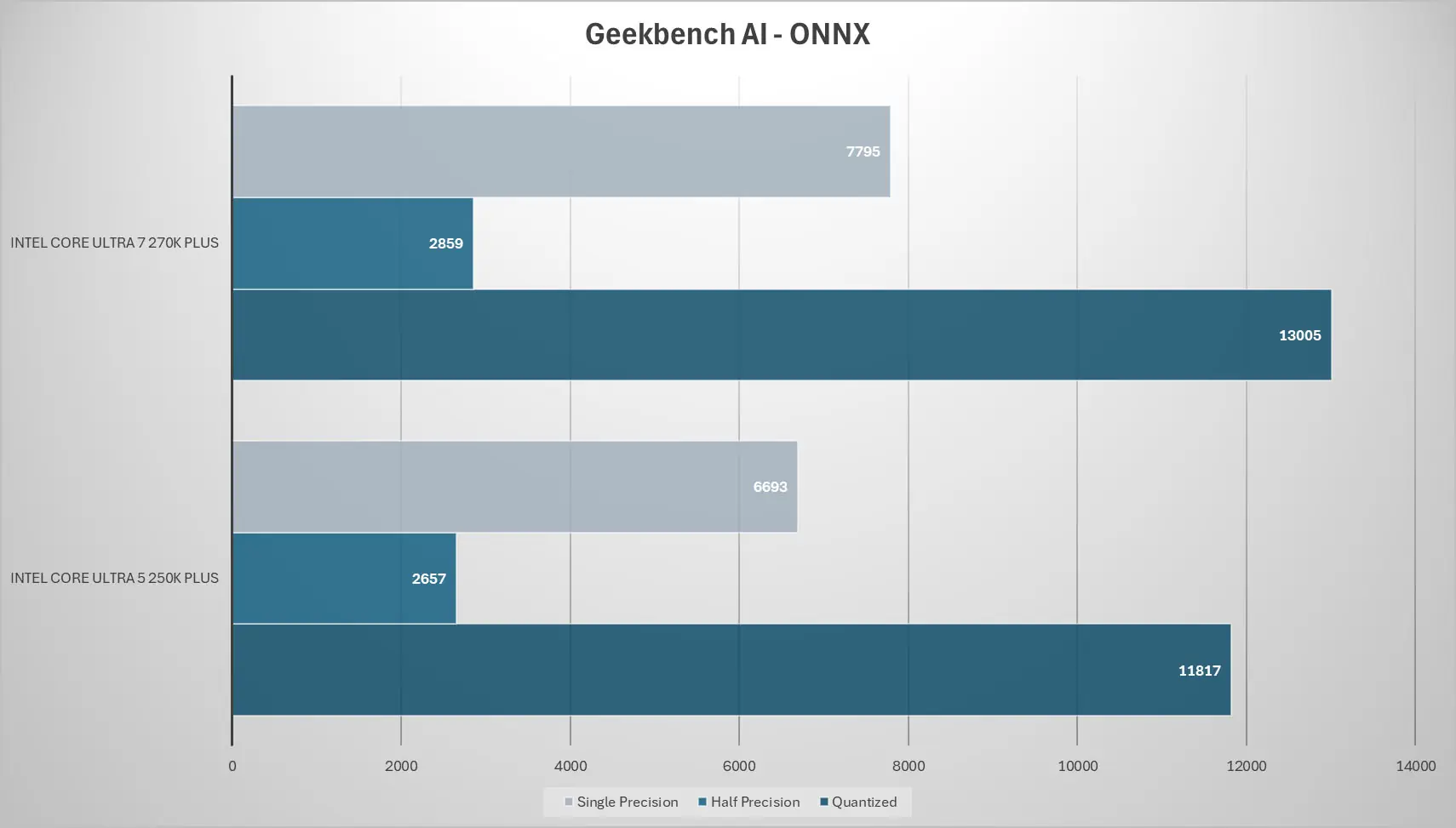
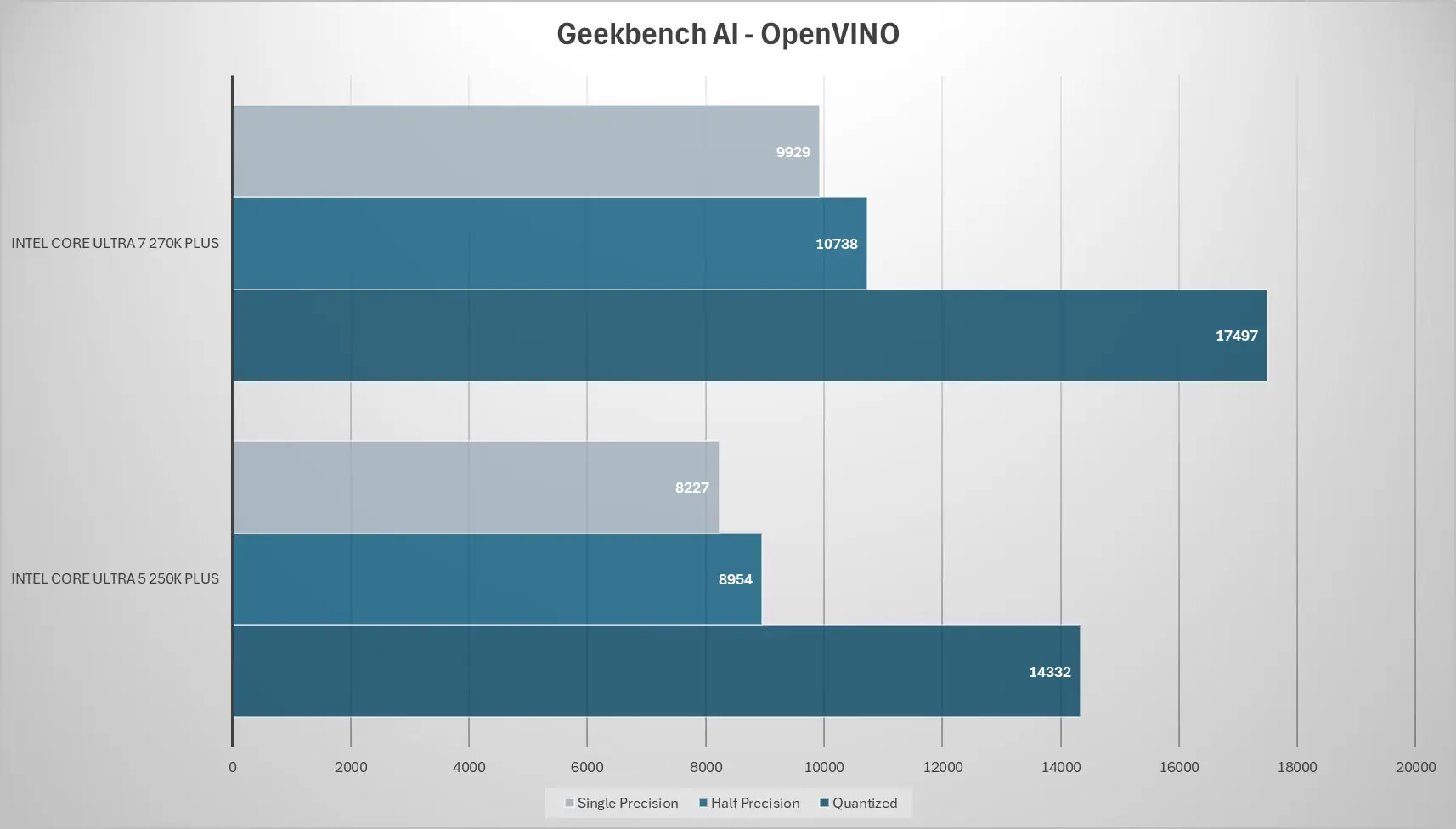
Geekbench AI is a benchmarking tool developed by Primate Labs that measures how well a device handles artificial intelligence and machine learning workloads. It evaluates performance across tasks such as image classification, natural language processing, and computer vision using different precision modes (like single-precision, half-precision, and quantized inference). The benchmark is designed to reflect real-world AI usage on CPUs, GPUs, and NPUs, making it useful for comparing AI capabilities across smartphones, laptops, and desktops.