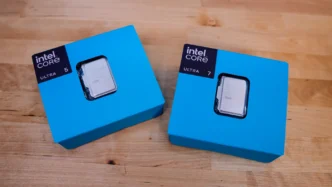
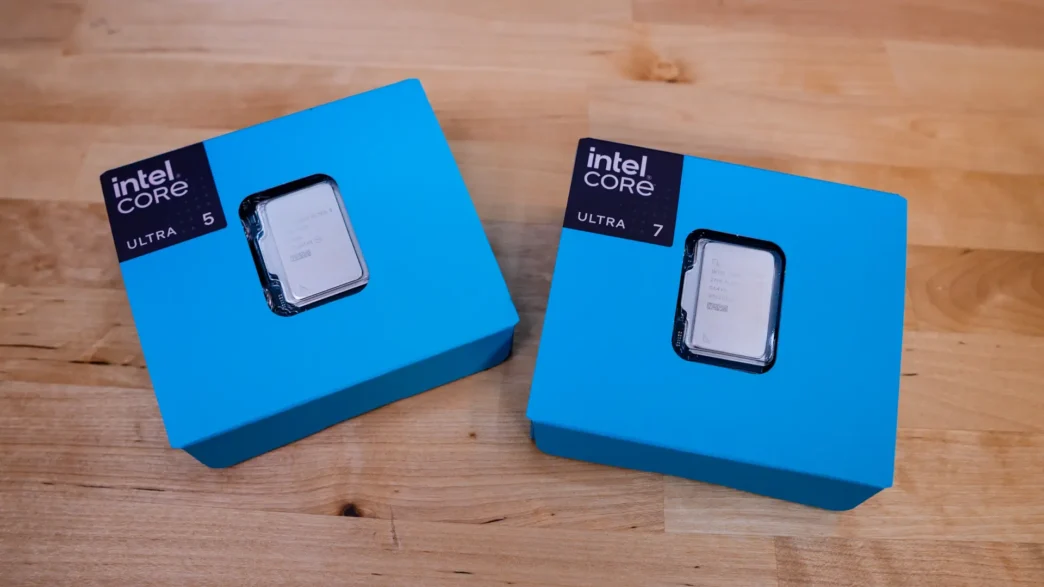
The current PC market is a bit bleak as we are in a massive RAM shortage. This means if you were planning on building a new system it is likely going to cost you a lot more than usual. With that, sales of PC components are down quite a lot, so what are big brands like Intel doing to remain competitive? Well for their latest generation of processors they essentially have refined the Arrow Lake-S platform and brought these processors in at pretty competitive price points. In this review we will be taking a look at both the Intel Core Ultra 7 270K Plus and Intel Core Ultra 5 250K Plus. Think of this as a more of a head-to-head review where we find out which one of these processors you actually need to current-day workloads and gaming.
Intel Core Ultra 7 270K Plus – The Details
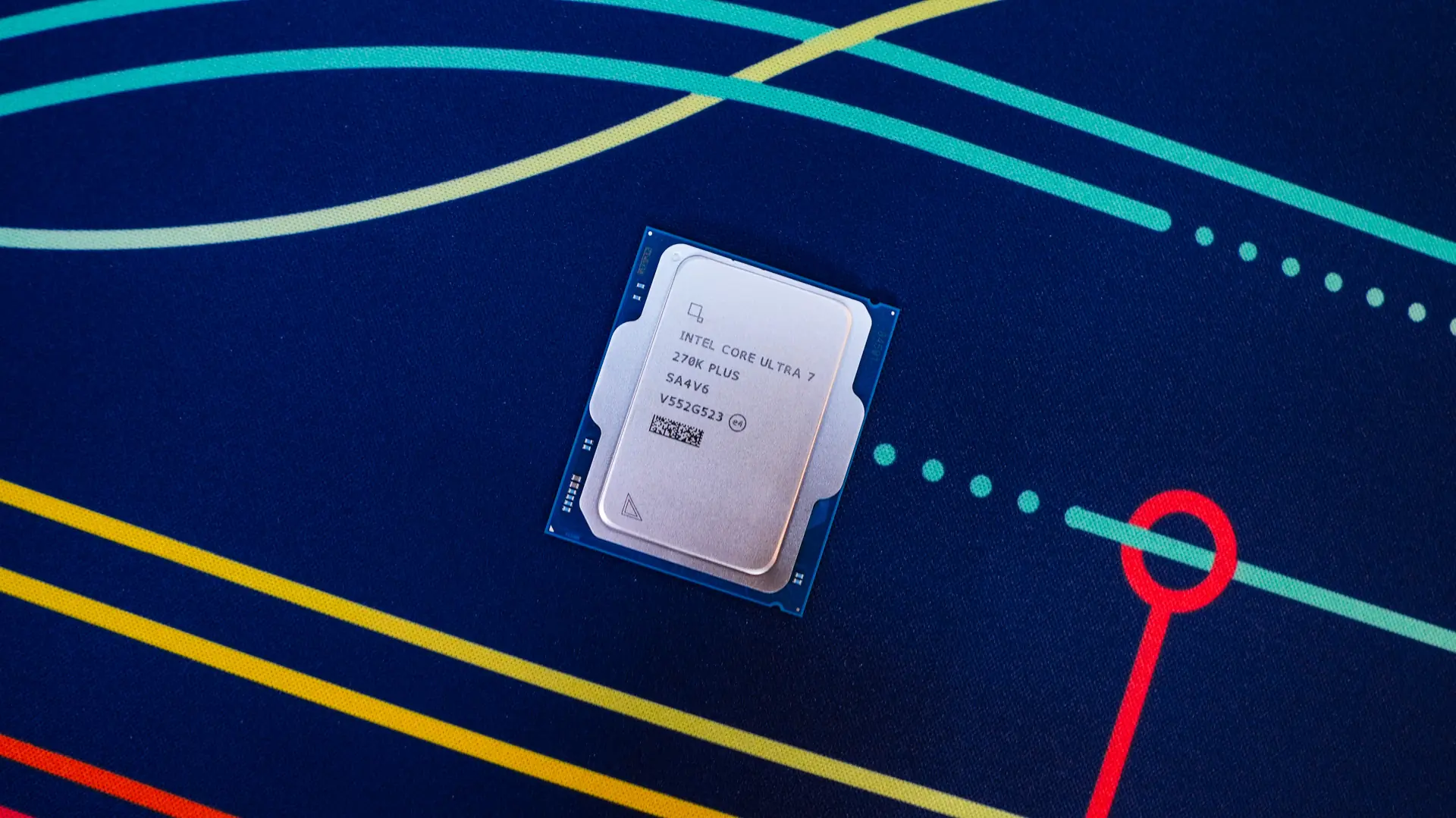
When it comes to the Intel Core Ultra 7 270K Plus this is going to be a 24-core part. It is made up of 8 performance cores and 16 efficiency cores, so you are getting an increase of 4 efficiency cores over the Core Ultra 7 265K. You are also going to see a boost clock increase (in the P-cores) of 100 MHz (up to 5.5 GHz). The L3 cache is being bumped up as well from 30 MB to 36 MB. The really interesting thing is that the Intel has increased the die-to-die frequencies of the fabric connecting the compute and SoC tiles by 900 MHz. This might be the secret-sauce as when you are dealing with a tile-based architecture, the faster they communicate the better. The Core Ultra 7 270K Plus also comes in at an aggressive price of $299, which is a $100 drop in the launch price compared to the 265K.
Intel Core Ultra 5 250K Plus – The Details
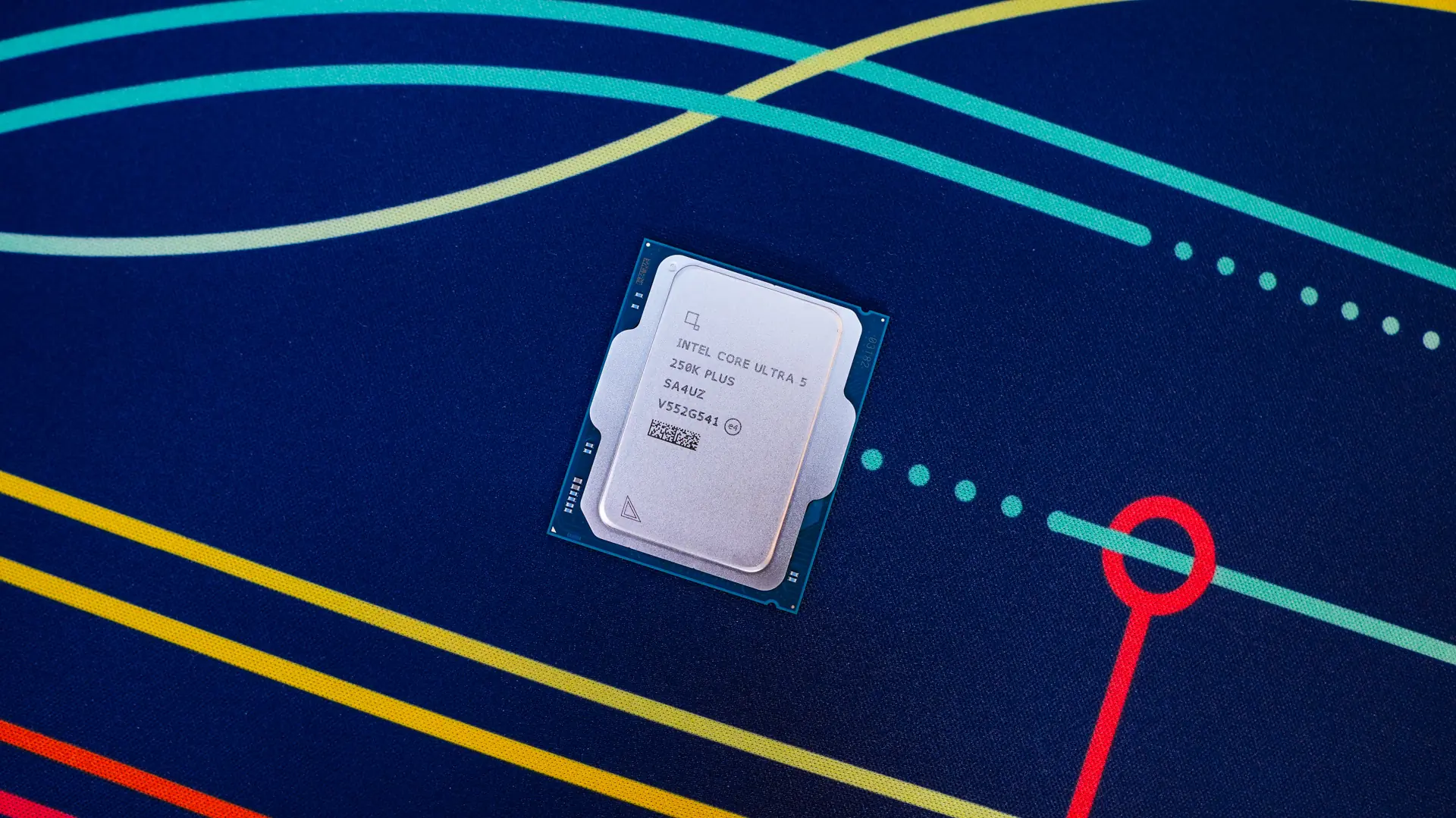
Moving down to the Intel Core Ultra 5 250K Plus it is going to be an 18 core park which is made up of 6 performance cores and 12 efficiency cores. So again an increase of 4 efficiency cores over the previous 245K. The P-cores do have a new maximum boost frequency of 5.3 GHz so a 100 MHz increase over the 245K. And that L3 cache has been increased from 24 MB to 30 MB. You are also going to see the same 900 MHz bump in the die-to-die frequency too. This chip will launch at $199, which again is a significant decrease compared to the $319 launch price of the 245K.