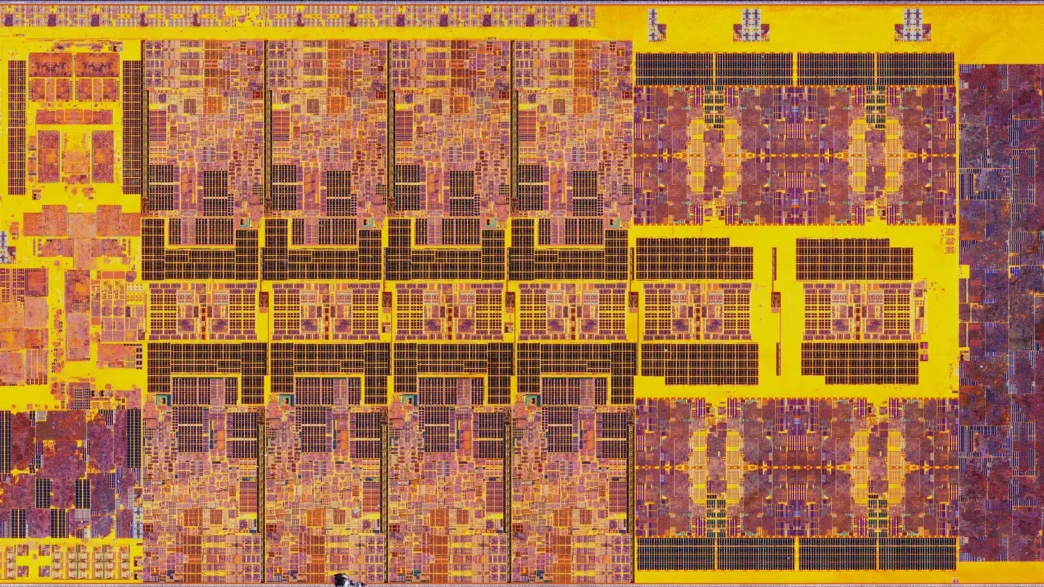
Intel has announced plans to launch its upcoming “Raptor Lake Next” CPU lineup in 2027, surprising many by retaining support for DDR4 memory and the familiar LGA1700 socket. This move comes amid ongoing high prices for DDR5 memory and mirrors AMD’s strategy of reviving older platforms for budget-conscious users.
Key Takeaways
- “Raptor Lake Next” CPUs will launch in 2027 for the LGA1700 socket.
- Continued DDR4 memory support due to high DDR5 prices.
- Designed for budget and mainstream desktop users.
- Multiple core configurations, but no major architectural changes.
Intel Sticks With DDR4 And LGA1700
The decision to continue supporting DDR4 memory in 2027 signals Intel’s acknowledgment of persistent high DDR5 prices and component shortages influenced by AI hardware demand. Using the well-established LGA1700 socket means consumers with existing 600- and 700-series motherboards can potentially upgrade without a complete platform overhaul, providing a cost-effective path.
Core Configurations And Product Range
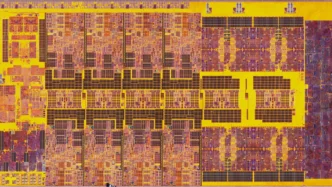
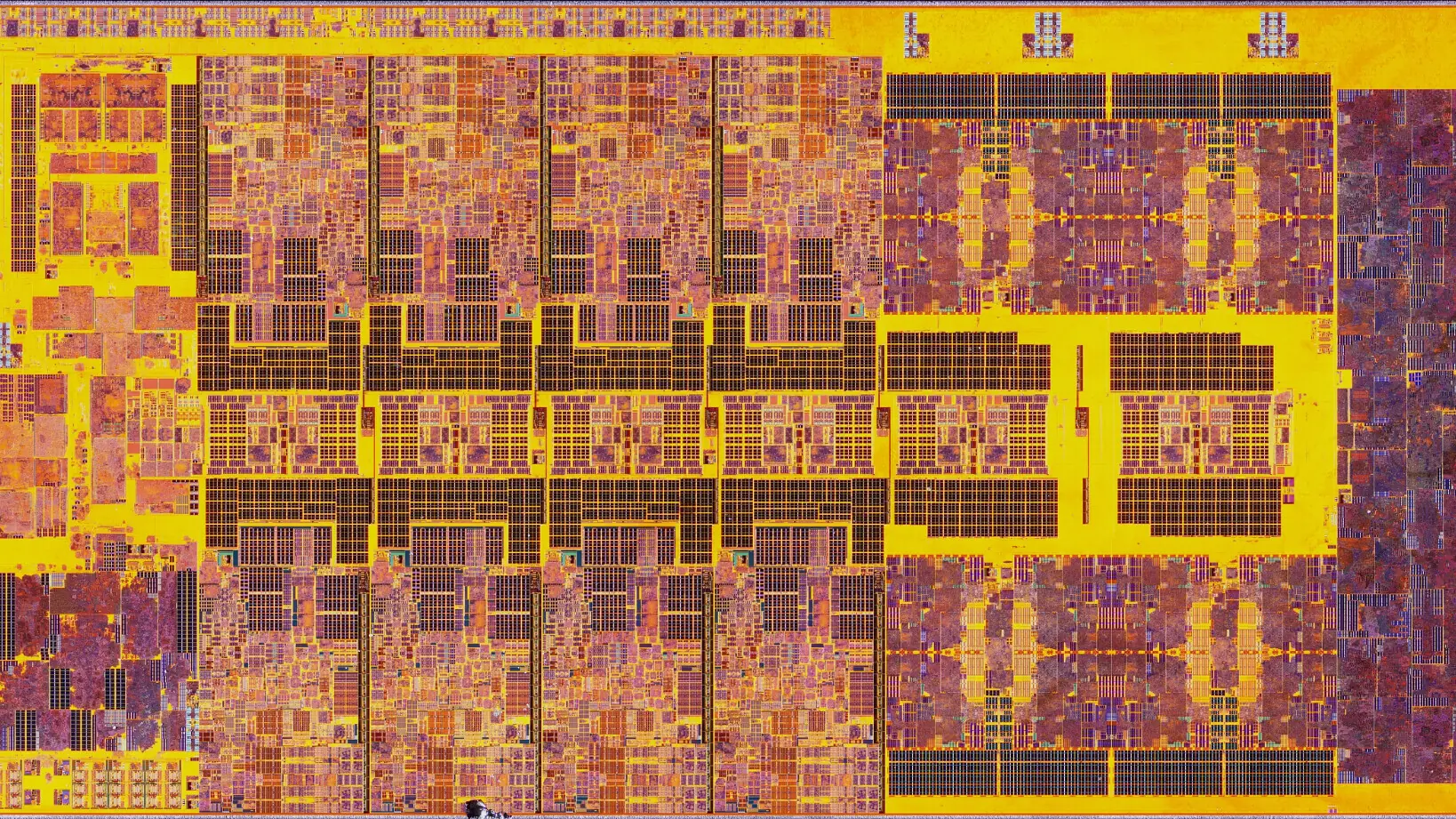
While details are still emerging, leaks suggest the “Raptor Lake Next” family will offer CPUs under the new Core 200 naming convention. Expected core configurations include:
- Core 7: Up to 8 performance cores (P-Cores) and 12 efficiency cores (E-Cores).
- Core 5: Versions with 8P+8E and 6P+4E.
- Core 3: Likely a 4-core (all P-Cores) variant.
There is no indication that the full 12 P-Core design from Intel’s industrial or server lines will make its way to consumer models. However, Intel may enhance certain cache configurations for improved performance.
Addressing Market Challenges
The push for another refresh of “Raptor Lake” responds directly to market realities. DDR5 memory remains prohibitively expensive due to its high demand in data centers and AI applications. By keeping DDR4 and LGA1700 in the market, Intel hopes to provide more affordable upgrade paths for mainstream desktop users while leaving next-generation performance and features to the upcoming Nova Lake platform.

Not Just A Rebrand… But No Drastic Change
Although some may see the “Raptor Lake Next” lineup as a simple rebrand or refresh, Intel could introduce minor technical improvements, especially in energy efficiency and cache utilization. Nonetheless, users should not expect dramatic architectural advances; the series will continue to use the existing Intel 7 process and Raptor Cove/Gracemont cores.
What This Means For PC Builders
For users still on 12th- or 13th-gen Intel CPUs, “Raptor Lake Next” could offer drop-in upgradeability, especially for those with DDR4 systems. This approach postpones the need for more expensive DDR5 investments and new motherboards, making it an appealing stop-gap until the memory market stabilizes. However, those seeking the latest platform features, higher performance, or AI enhancements should look toward Intel’s forthcoming Nova Lake CPUs or other next-generation offerings.
Via VideoCardz