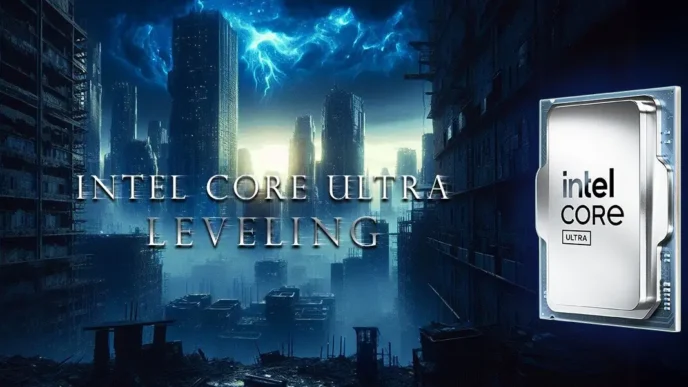
Intel is gearing up for a significant shift in its CPU architecture with the upcoming release of the Nova Lake-S processors, which will require a new LGA 1954 socket. This change marks the end of the LGA 1851 socket, which was only recently introduced, and signals a new era of performance enhancements for Intel’s desktop CPUs.
Please note this is currently a rumor and not confirmed…
Key Takeaways
- New Socket: Nova Lake-S CPUs will utilize the LGA 1954 socket, replacing the short-lived LGA 1851.
- Increased Core Count: Expected configurations include up to 16 performance cores and 32 efficiency cores.
- Release Timeline: The Nova Lake-S series is anticipated to launch in 2026.
- Investment Pressure: Users of the LGA 1851 platform will need to upgrade their motherboards to accommodate the new socket.
The Shift to LGA 1954
Intel’s decision to introduce the LGA 1954 socket comes as part of its ongoing strategy to enhance CPU performance and efficiency. The LGA 1851 socket, which supported the Arrow Lake-S series, will not be compatible with the new Nova Lake-S processors. This rapid socket evolution has raised concerns among users who recently invested in LGA 1851 systems, as they will face additional costs to upgrade.

Expected Specifications of Nova Lake-S
The Nova Lake-S CPUs are rumored to feature:
- Core Configuration: Up to 16 performance cores (P-cores) and 32 efficiency cores (E-cores), potentially leading to a total of 52 cores in some configurations.
- Architecture: The new processors will likely utilize Intel’s Coyote Cove and Arctic Wolf architectures, designed for improved performance and efficiency.
- Chipset Compatibility: The new LGA 1954 socket will be paired with a 900-series chipset, further enhancing the capabilities of the new CPUs.
Implications for Users
For consumers and system builders, the transition to the LGA 1954 socket means:
- No Backward Compatibility: Users will need to purchase new motherboards and possibly new cooling solutions, as the LGA 1851 will not support the new CPUs.
- Future-Proofing: While the LGA 1954 socket may initially seem like an inconvenience, it could offer better longevity and performance for future Intel processors, including the anticipated Razer Lake series.
- Market Competition: This move could intensify competition with AMD, which has committed to its AM5 socket for a longer lifespan, potentially attracting users looking for stability in their upgrades.
Conclusion
The introduction of the LGA 1954 socket with the Nova Lake-S CPUs represents a bold step for Intel as it seeks to reclaim its position in the competitive CPU market. While the transition may pose challenges for current users of the LGA 1851 platform, the promise of enhanced performance and capabilities could make the wait worthwhile for those looking to upgrade in 2026. As Intel continues to innovate, the landscape of desktop computing is set to evolve significantly in the coming years.
Via VideoCardz, Olrak29