
The Lenovo Legion Go 2 is generating significant buzz following early performance benchmarks and hands-on previews. While an official release date remains unconfirmed, leaks suggest a September launch. This successor to the popular Legion Go aims to enhance the handheld gaming experience with upgraded internals and design refinements, positioning itself as a strong contender in the competitive handheld market.
Early Performance Benchmarks Show Promise
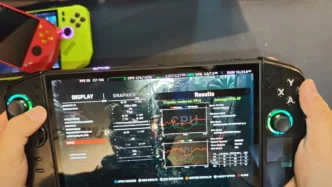
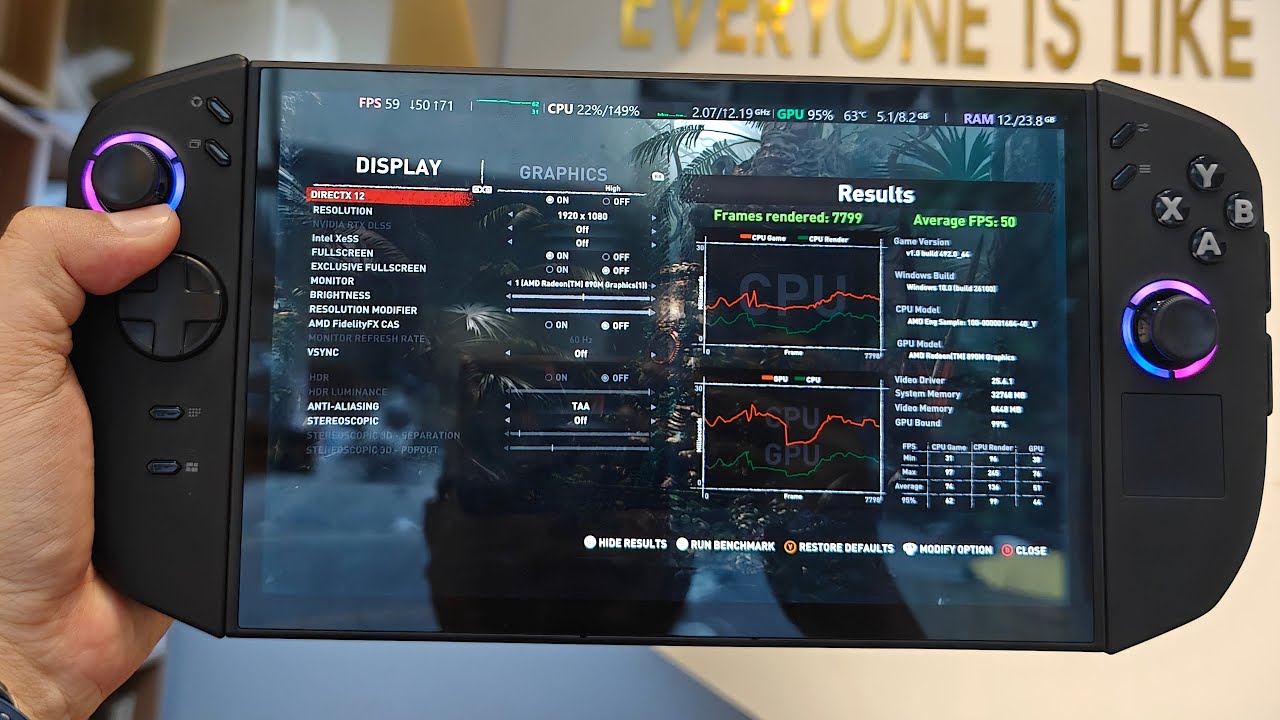
Initial benchmarks indicate that the Lenovo Legion Go 2, particularly with the AMD Ryzen Z2 Extreme chipset, outperforms competitors like the MSI Claw A8. In tests like Shadow of the Tomb Raider at 1080p, the Legion Go 2 demonstrated higher average FPS and frame rendering compared to the Claw A8, even with similar chipsets. This performance advantage is attributed to the Legion Go 2’s superior cooling solution and an additional 8GB of RAM.

Key Takeaways:
- Performance Edge: Early benchmarks suggest the Legion Go 2 with the Ryzen Z2 Extreme outperforms the MSI Claw A8.
- Design Refinements: Ergonomic improvements, including new rounded controllers and a circular D-pad, are noted.
- OLED Display: An 8.8-inch OLED display with a 144Hz refresh rate is a significant upgrade, offering vibrant colors and true blacks.
- Increased RAM and Battery: The device is expected to feature up to 32GB of RAM and a larger 74Whr battery.
- Windows 11 Focus: Lenovo has confirmed that the Legion Go 2 will run Windows 11 and is not considering a SteamOS version.
Display and Design Upgrades
A major highlight of the Legion Go 2 is its 8.8-inch OLED display. While the resolution is a slight downgrade from the original Legion Go at 1920×1080 (FHD+), the OLED technology provides stunning visuals with vibrant colors and true blacks, complemented by a smooth 144Hz refresh rate. Ergonomically, Lenovo has incorporated refinements such as rounded controllers and a circular D-pad for improved comfort and accuracy during gameplay. The device retains the detachable controller design of its predecessor.
Enhanced Specifications and Battery Life
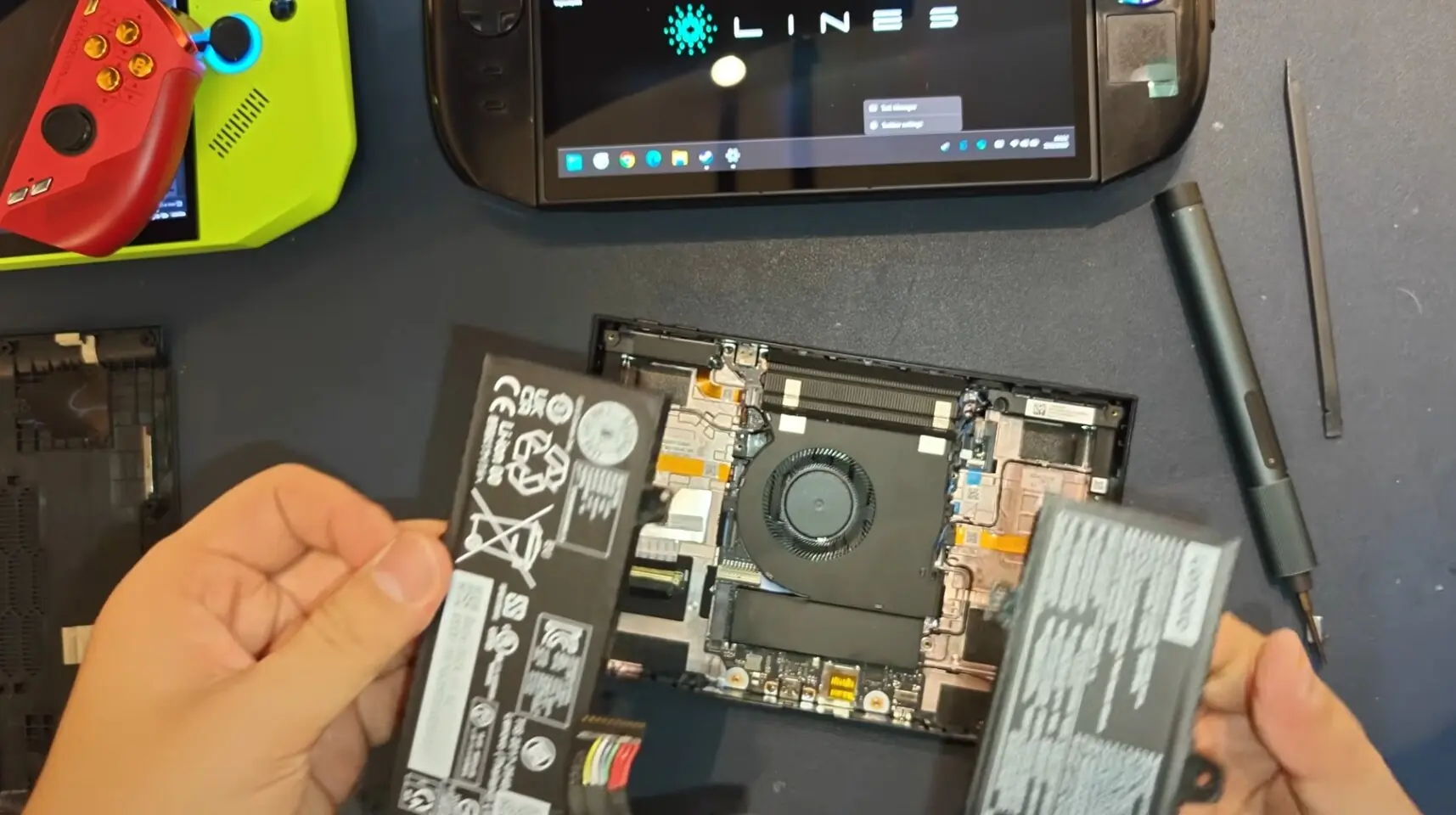
The Legion Go 2 is slated to offer substantial upgrades in terms of internal specifications. It is expected to come with up to 32GB of RAM, doubling the previous generation’s capacity, which should significantly improve multitasking and loading times. The battery has also seen a considerable boost, increasing from under 50Whr to a substantial 74Whr, promising extended play sessions. However, concerns remain about whether the increased power consumption of the OLED screen and high refresh rate will fully offset the larger battery capacity.
Operating System and Market Position
Lenovo has confirmed that the Legion Go 2 will continue to run on Windows 11, with no plans for a native SteamOS version. This decision stems from Lenovo’s belief in catering to users who value the Windows ecosystem for both gaming and productivity. The device faces stiff competition from other upcoming handhelds, including potential releases from Asus, MSI, and even speculation about entries from Microsoft and PlayStation. The pricing strategy will be crucial for its success, with early estimates suggesting a premium cost.
Release Window and Future Outlook
While an official release date is still pending, leaks suggest a potential launch window in September. This timing would place the Legion Go 2 in direct competition with other new Ryzen Z2-powered handhelds. Despite some lingering concerns about the incremental performance gains over its predecessor and the potential price point, the combination of an OLED display, increased RAM, and a larger battery makes the Lenovo Legion Go 2 a highly anticipated device for handheld gaming enthusiasts.