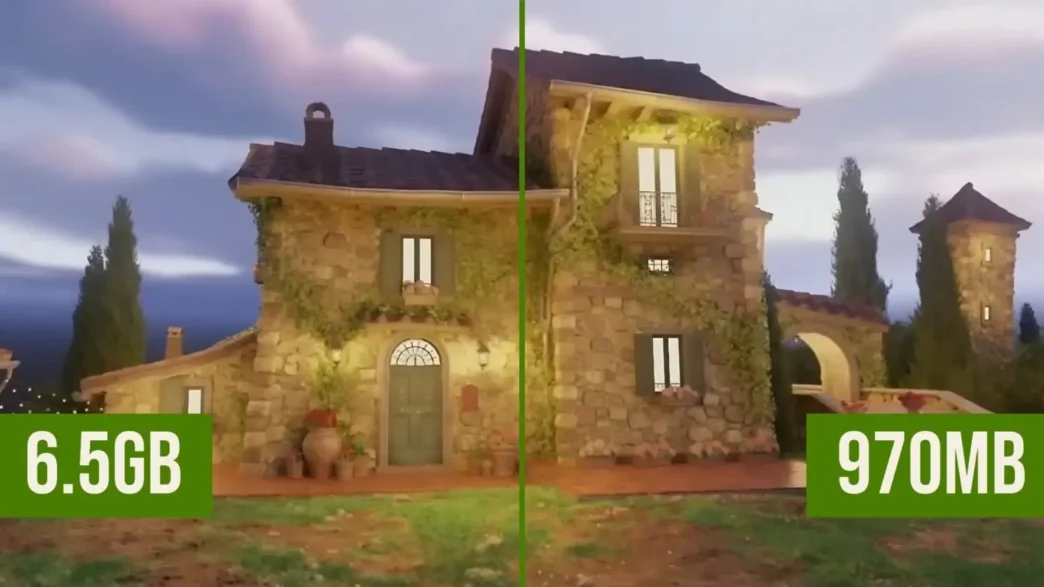
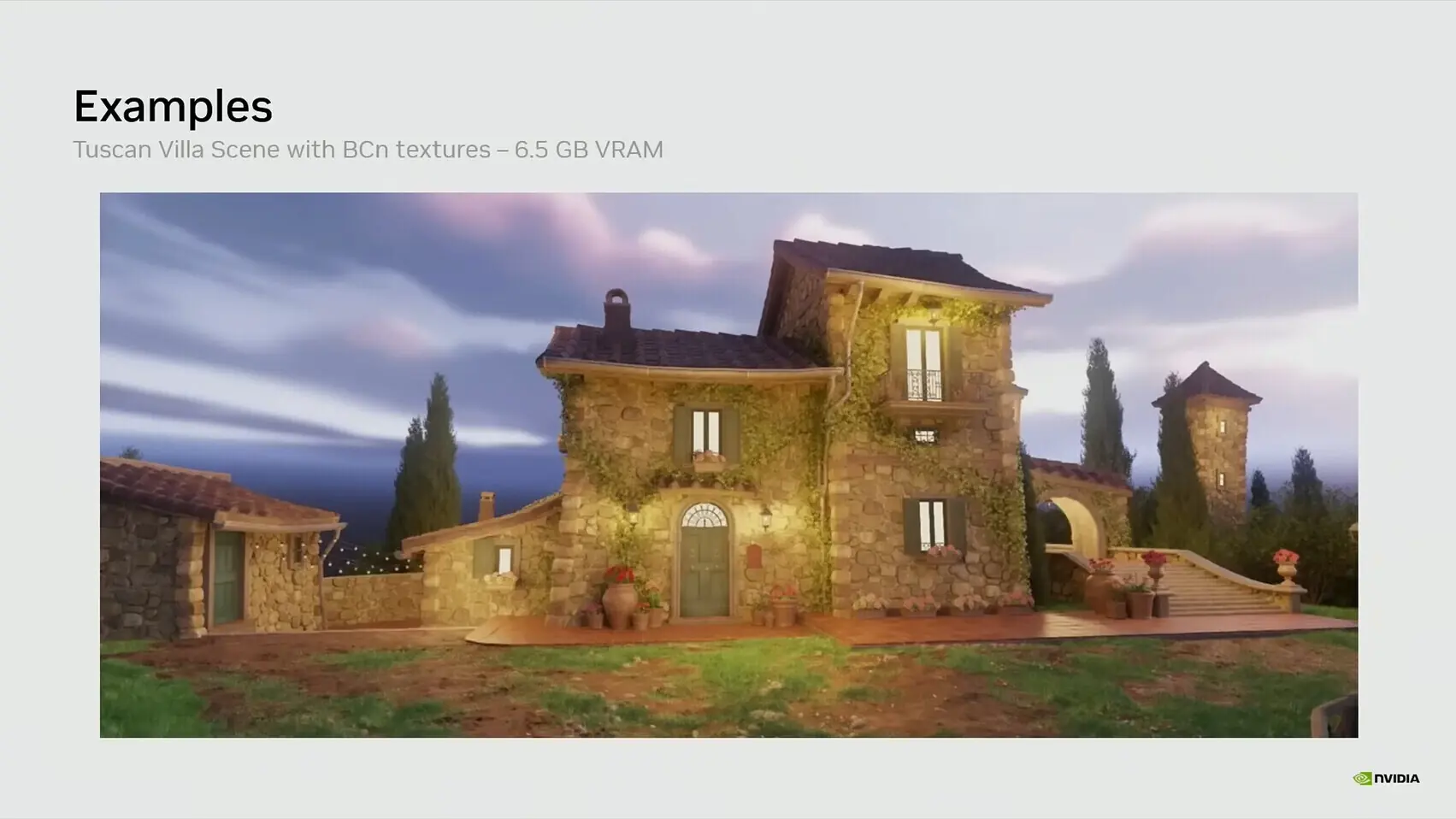
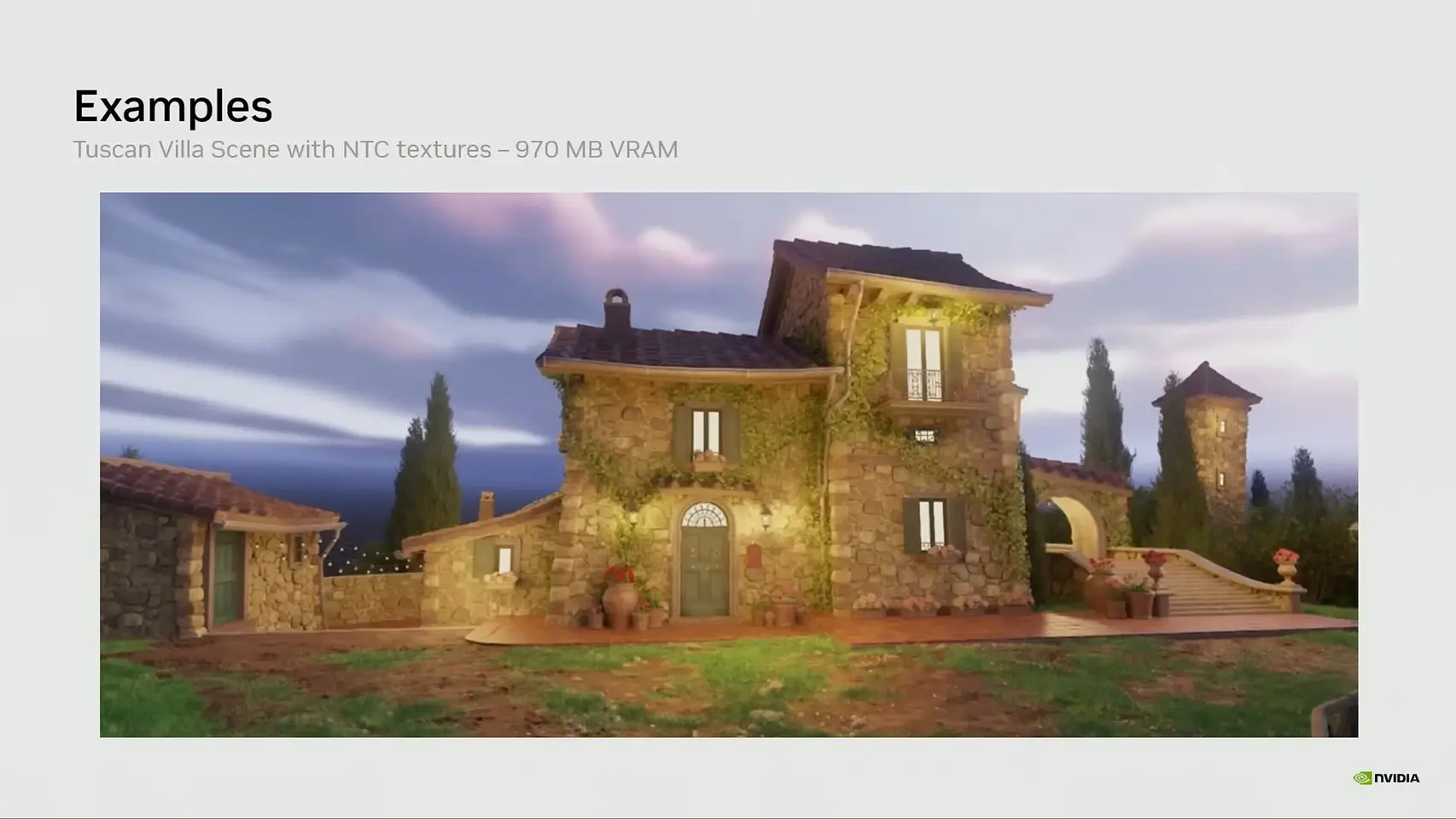
NVIDIA has unveiled its Neural Texture Compression (NTC) technology, a breakthrough that dramatically reduces graphics memory usage in games. In a recent demonstration at GTC 2026, NVIDIA showed how this AI-powered compression technique can drop VRAM requirements from 6.5GB to just 970MB — all while maintaining near-identical image quality. This innovation could signal a major change in how game visuals are handled, benefiting gamers, developers, and hardware alike.
Key Takeaways
- Neural Texture Compression (NTC) reduces VRAM usage by up to 85%.
- Image quality remains on par with traditional compression techniques.
- Decreased memory needs may mean smaller game install sizes and quicker patches.
- NTC utilizes neural networks built into modern GPUs (e.g., NVIDIA Tensor Cores).
How Neural Texture Compression Works
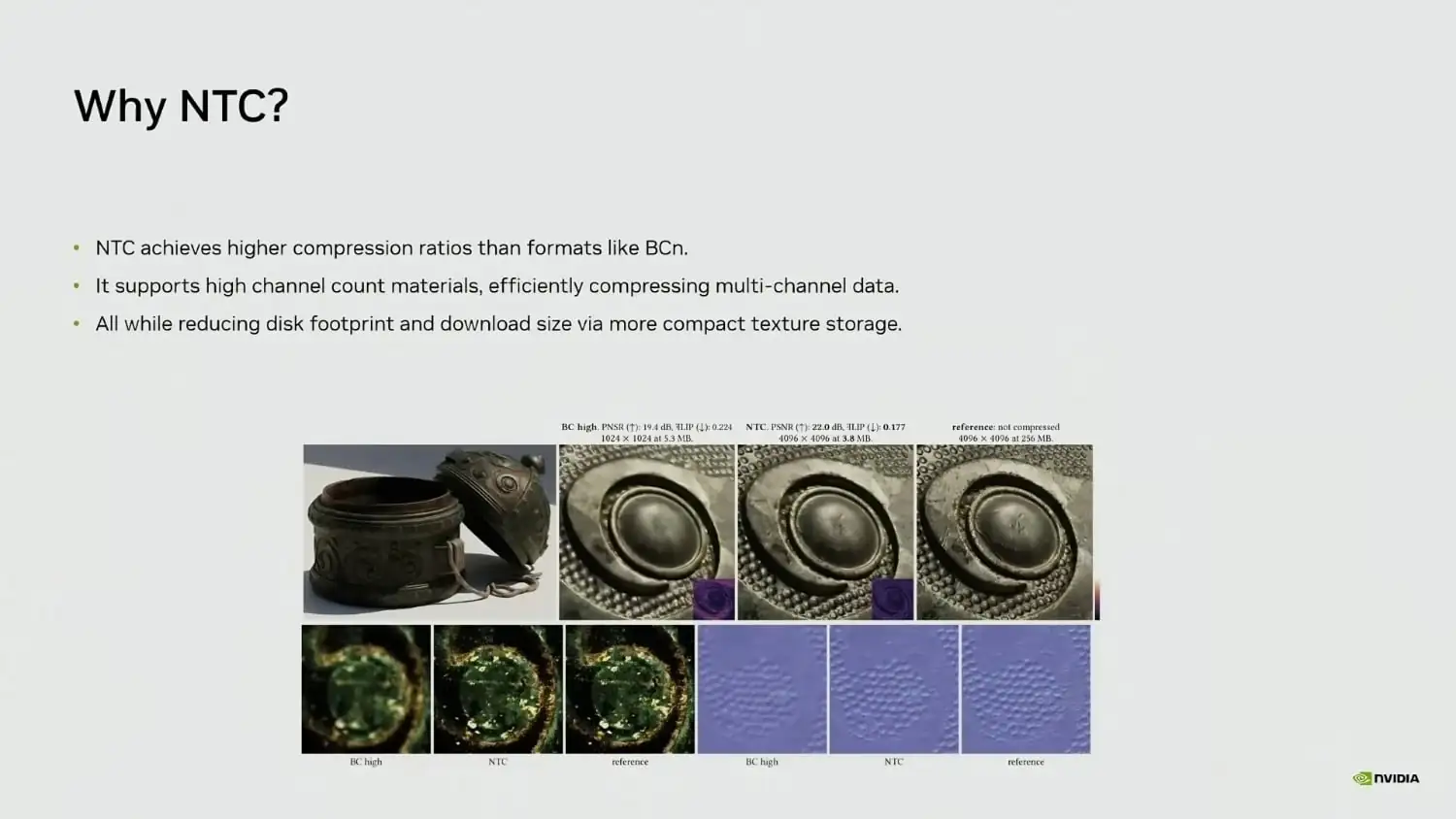
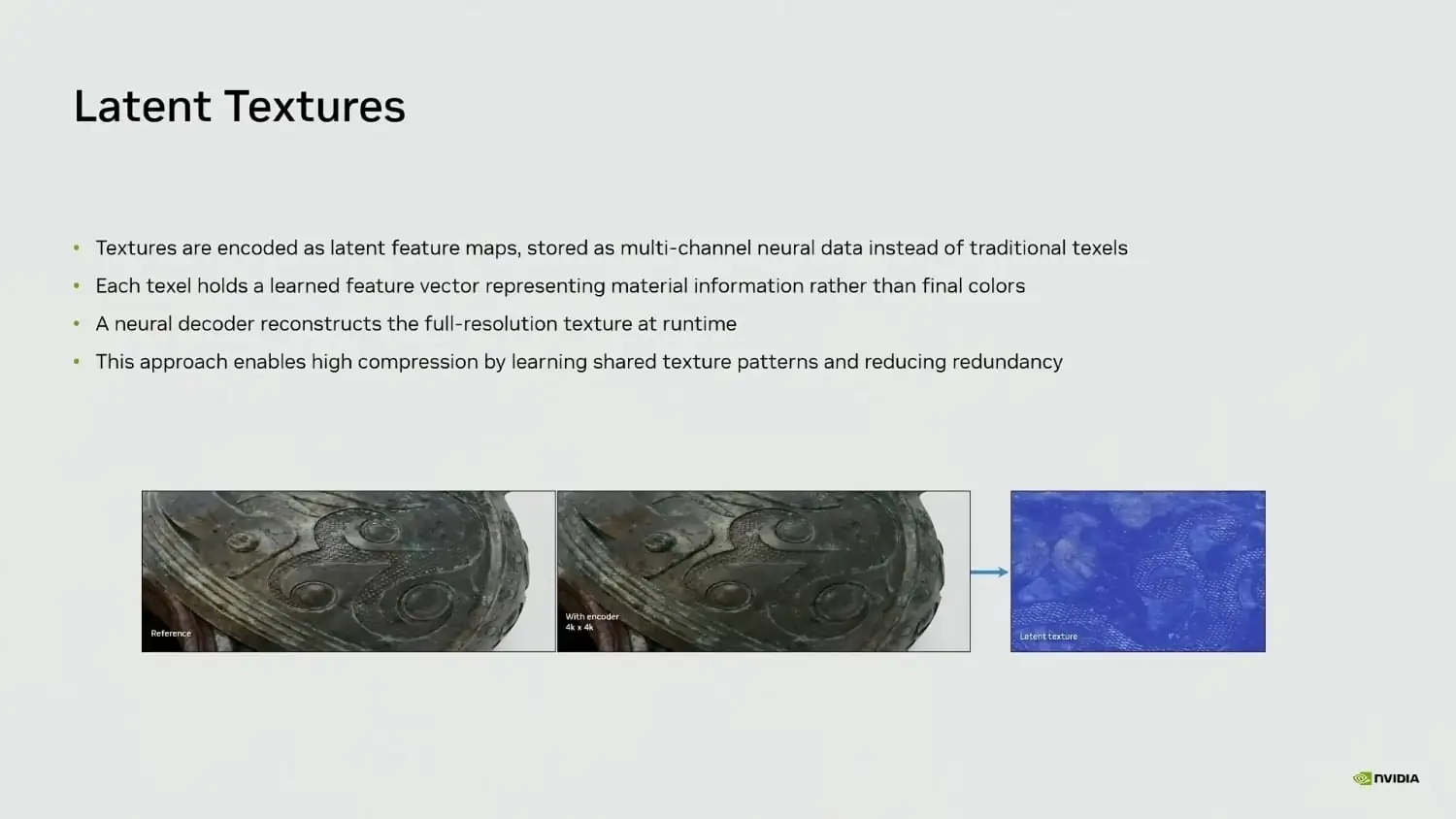
NTC departs from standard texture compression methods like block-based formats (BCn), which split images into manageable chunks for easier decompression. Instead, NTC uses compact neural networks to store and reconstruct the latent details of each texture in real time using GPU hardware specialized for AI tasks. Unlike generative AI, this process is deterministic and specifically trained on each game’s materials and textures.

Upon rendering, the neural network reconstructs the texture from this compressed state almost instantly. The technology is highly efficient due to the use of dedicated AI hardware blocks such as Tensor Cores, resulting in minimal performance impact. According to NVIDIA, scenes that demanded 6.5GB of VRAM using traditional methods can now run at just 970MB when NTC is applied, with visual fidelity remaining virtually indistinguishable from the original.
Benefits Beyond VRAM Reduction
NTC’s efficiency translates into several practical advantages:
- Smaller Game Installs: With compressed textures taking up far less space, overall game download and install sizes can be significantly reduced.
- Easier Patching: Updates affecting textures become lighter, leading to faster patches and reduced bandwidth usage.
- Wider Hardware Accessibility: Lower VRAM requirements could help gamers with entry- or mid-level GPUs experience high-quality visuals previously out of reach due to memory constraints.
- Potential Energy Savings: Less VRAM usage may reduce the energy needed for memory operations, though performance tradeoffs depend on implementation.
Challenges and Industry Impact
While promising, NTC raises questions about adoption and performance in varied real-world gaming scenarios. Some community voices are concerned about the possibility of GPU makers lowering VRAM on future cards, now that compression can offset memory needs. There’s also discussion around whether sustained use of AI cores for decompression may affect game performance, especially on lower-end systems or batteries in portable devices.
Table: VRAM Usage Comparison
| Texture Compression Method | VRAM Used (Tuscan Villa Scene) |
|---|---|
| BCn (Traditional) | 6.5 GB |
| NTC (Neural) | 970 MB |
Looking Ahead
NTC is expected to be accessible to developers soon, with NVIDIA making the RTXNTC SDK available through open platforms like GitHub. The technology is not exclusive to NVIDIA either, as similar neural compression initiatives are emerging within Intel, AMD, and across the broader industry. As game assets and visual demands continue to grow, Neural Texture Compression could play a pivotal role in balancing graphical fidelity, performance, and storage space for the next generation of gaming.