A major shift in the semiconductor landscape is underway as Intel announces a new partnership with Elon Musk’s Terafab project, aiming to ramp up domestic production of advanced AI chips. The collaboration marks a significant milestone for both parties, underlining the drive for American-made technology in sectors from artificial intelligence to autonomous vehicles and space infrastructure.
Key Takeaways
- Intel teams up with Musk’s Terafab, SpaceX, Tesla, and xAI for a new Texas semiconductor factory.
- The project aims to deliver one terawatt (1TW) per year of computing for AI and robotics.
- Intel will run fabrication and manufacturing, not Tesla or SpaceX.
- The partnership boosts Intel’s position in the U.S. foundry business and supports Musk’s ambitious hardware needs.
- Financial and operational specifics of the deal remain largely undisclosed.
Intel’s Strategic Leap Into Mega-Foundry Projects
Intel publicly confirmed it will join the Terafab initiative in Texas, bringing its established fabrication, packaging, and process technology expertise to a project initially pitched as Musk’s in-house chip ecosystem. Rather than Tesla or SpaceX building their own manufacturing capability from scratch, Intel becomes the technical powerhouse behind Terafab’s operations—an arrangement that leverages years of semiconductor know-how.
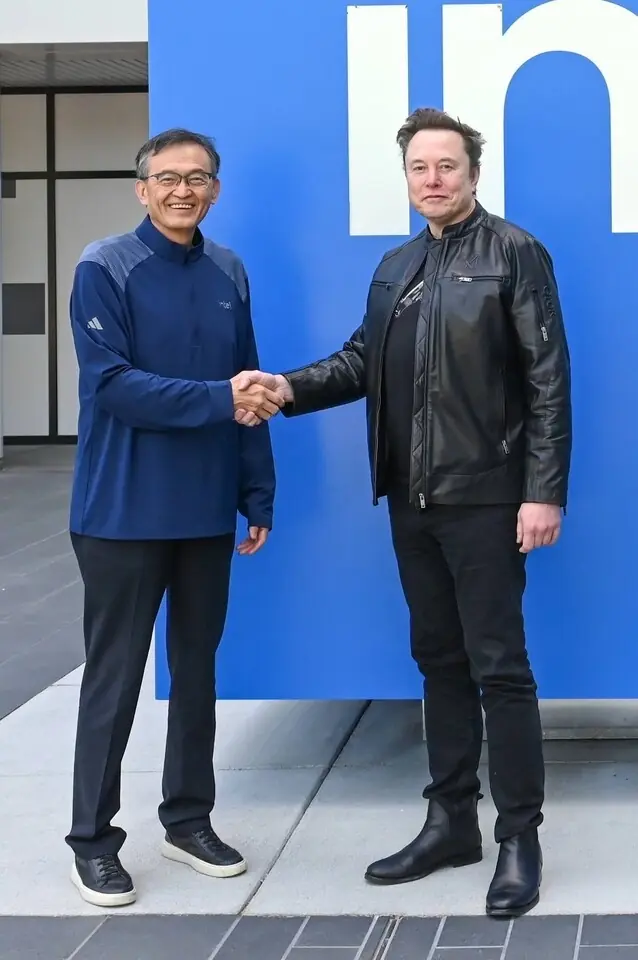
This strategic move helps Intel secure exactly the kind of anchor customers it’s sought for its foundry model, positioning itself as the fabricator behind a slew of next-generation chips required for AI, robotics, satellite data centers, and autonomous vehicles.
What Terafab Means for U.S. Chipmaking
The new Terafab facility in Austin is set to be among the most advanced in the country, aiming to support Musk’s vision for AI-intensive computing, in both terrestrial and orbital applications. Intel’s involvement signals that American chipmaking might once again compete at the cutting edge, countering growing dominance by Asian firms.
The timeline and workload distribution remain uncertain, but Intel’s announcement indicates the foundry will provide the process technology and operational management, while Musk’s ventures deliver both the capital and the insatiable demand for compute.
Implications for Tesla, SpaceX, and xAI
Although Musk initially suggested his ventures would create a wholly new semiconductor supply chain, this partnership reflects a pragmatic pivot. Rather than tackling the monumental challenges of building an advanced fab solo, Musk’s companies will provide financial backing and act as primary customers, while Intel shoulders fabrication and technical management.
This approach enables quicker production ramp-up for Tesla’s autonomous driving chips, SpaceX’s AI-powered satellites, and xAI’s machine learning systems—potentially bypassing supply constraints posed by competing for capacity at global foundries like TSMC or Samsung.
Industry Impact and What Comes Next
Intel’s stock saw a modest bump in the wake of the announcement, signaling market optimism about the partnership’s potential. Meanwhile, the true financial or legal terms remain undisclosed, with no official filings signaling a binding or final agreement. Both partners appear to be keeping the door open for further negotiation or expansion.
For the U.S. semiconductor industry, this alliance may set a template for future collaborations, uniting established manufacturing prowess with the relentless demand generated by AI, automotive, and aerospace innovators. Time will tell whether the partnership realizes Musk’s promised scale—or simply marks a turning point in Intel’s foundry journey.
Via Intel on X